 Old city · Royal history
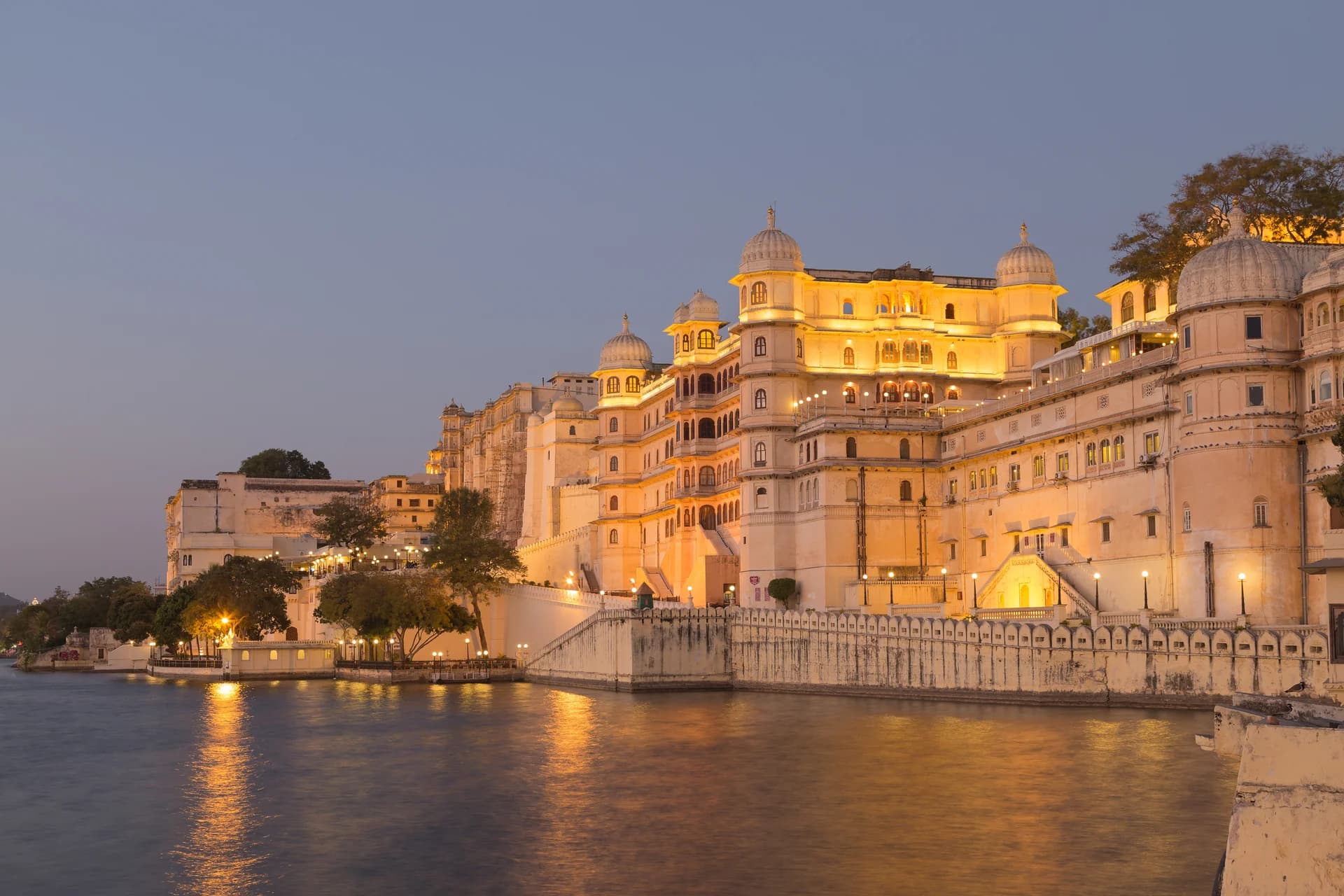
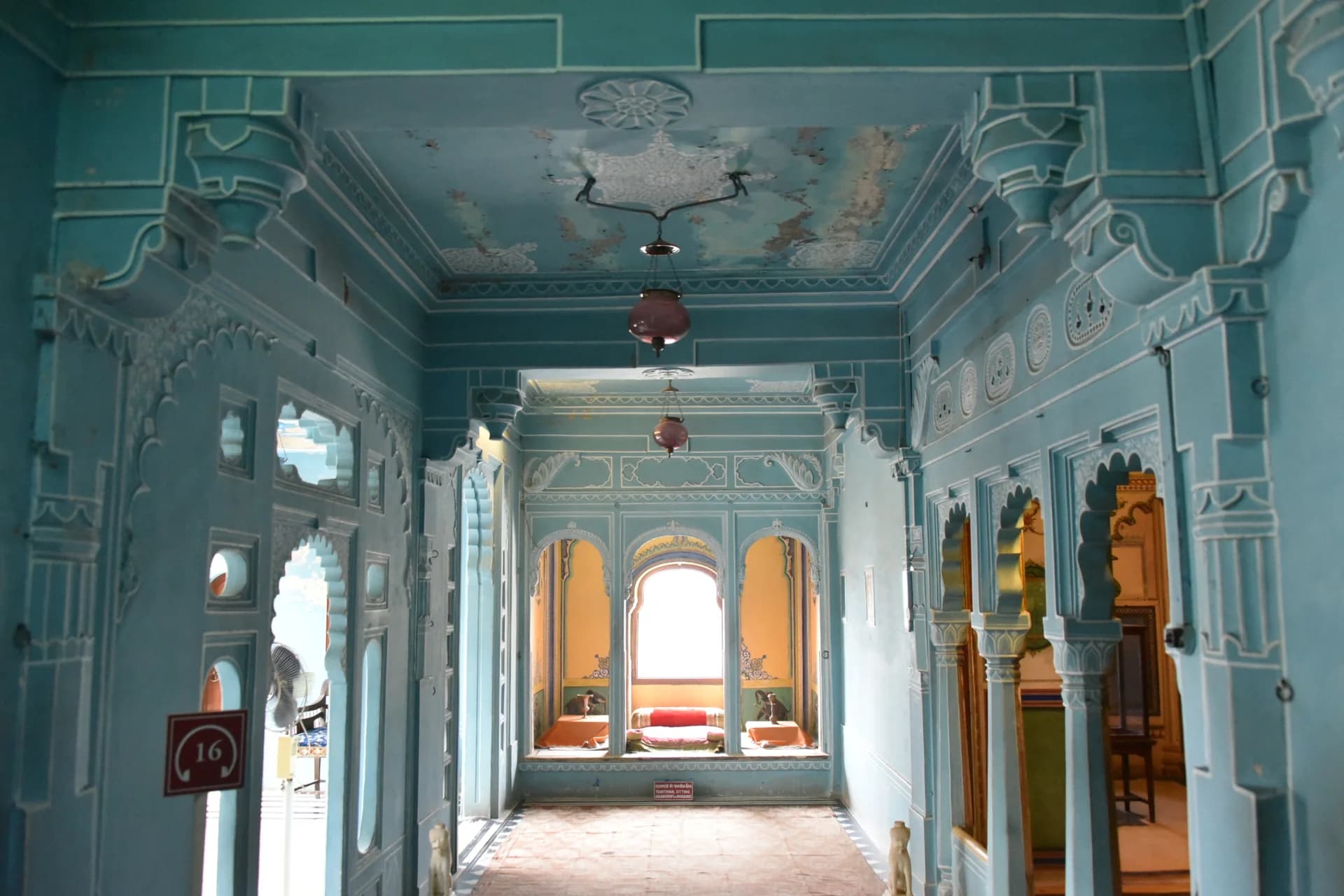
City Palace
Begun in 1559 and added to by Maharanas for roughly 400 years, it's the largest palace complex in Rajasthan. The museum walks you through royal life, armour and portraits. Give it two to three hours.
Culture & Heritage
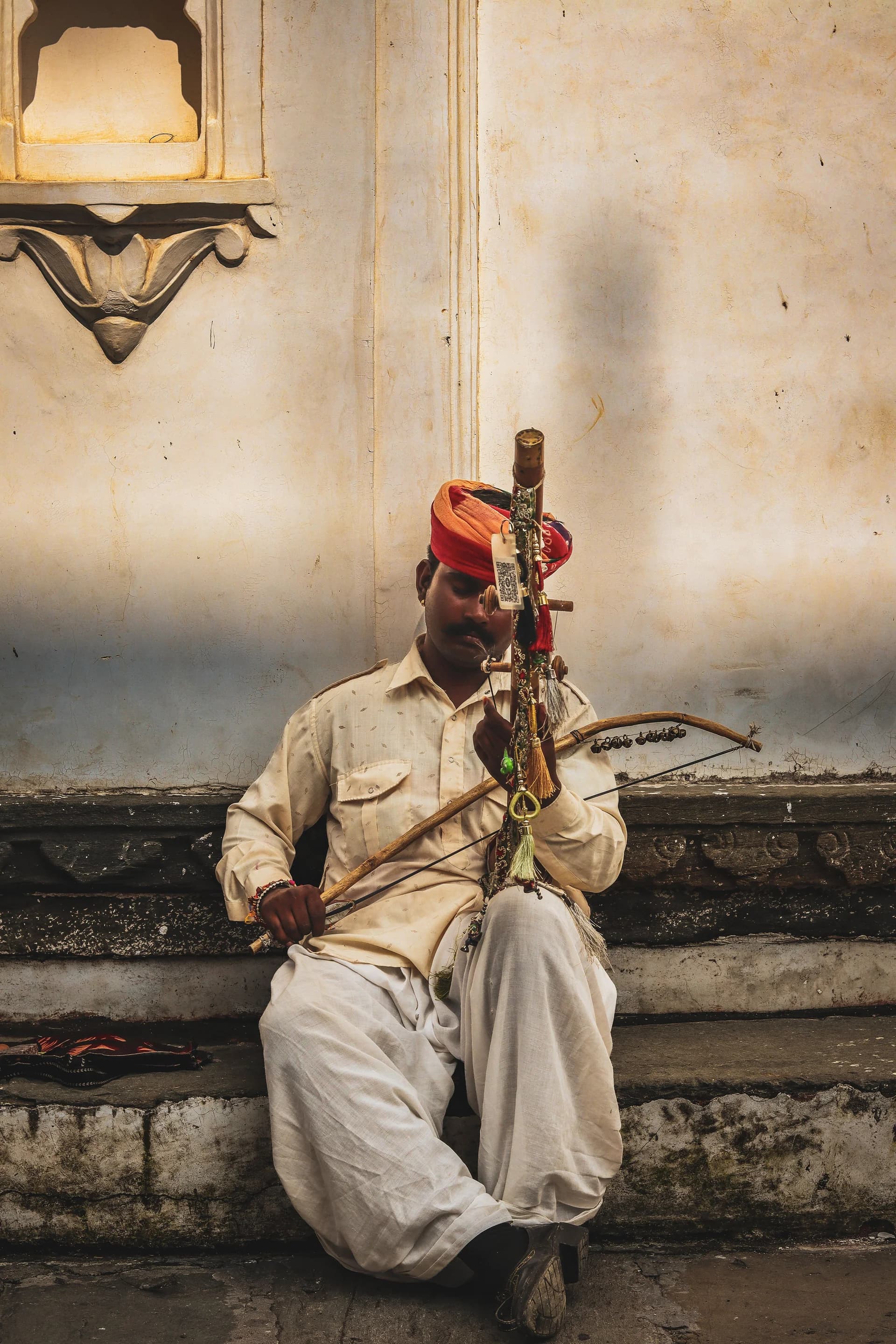
Temple bells at dawn, a ravanhatta tune by the ghats, turbans in every colour of the market. Mewar's story isn't locked in a museum here. It walks past you on the street.
Maharana Udai Singh II founded Udaipur in 1559, and after Chittorgarh fell to Akbar in 1568 it became the capital of Mewar. The Sisodia Rajputs who ruled from here built a reputation for pride and stubborn independence, and you still hear it in the way locals talk about Maharana Pratap: as a hero, never a footnote.
That history isn't only in the City Palace galleries. It's in the aarti at Jagdish Temple, the safa a grandfather ties before a wedding, the folk songs that drift up from Gangaur Ghat at dusk. Spend a few slow days here and you'll start noticing the threads that tie them together.
This page is your starting point for the people, history and living traditions of Mewar. Read up, then go and see it for yourself.
Deep dives into the history, music, rituals and people of Udaipur, written by locals who grew up around these lanes and ghats.
Type
Good for
Best time
Showing all 6 stories

Warrior kings, royal cenotaphs, an engineered chain of lakes and a palace built to watch the monsoon. A day-long history trail through Udaipur for travellers who read the plaques.
 Traditions
Old City Best: Festive Season
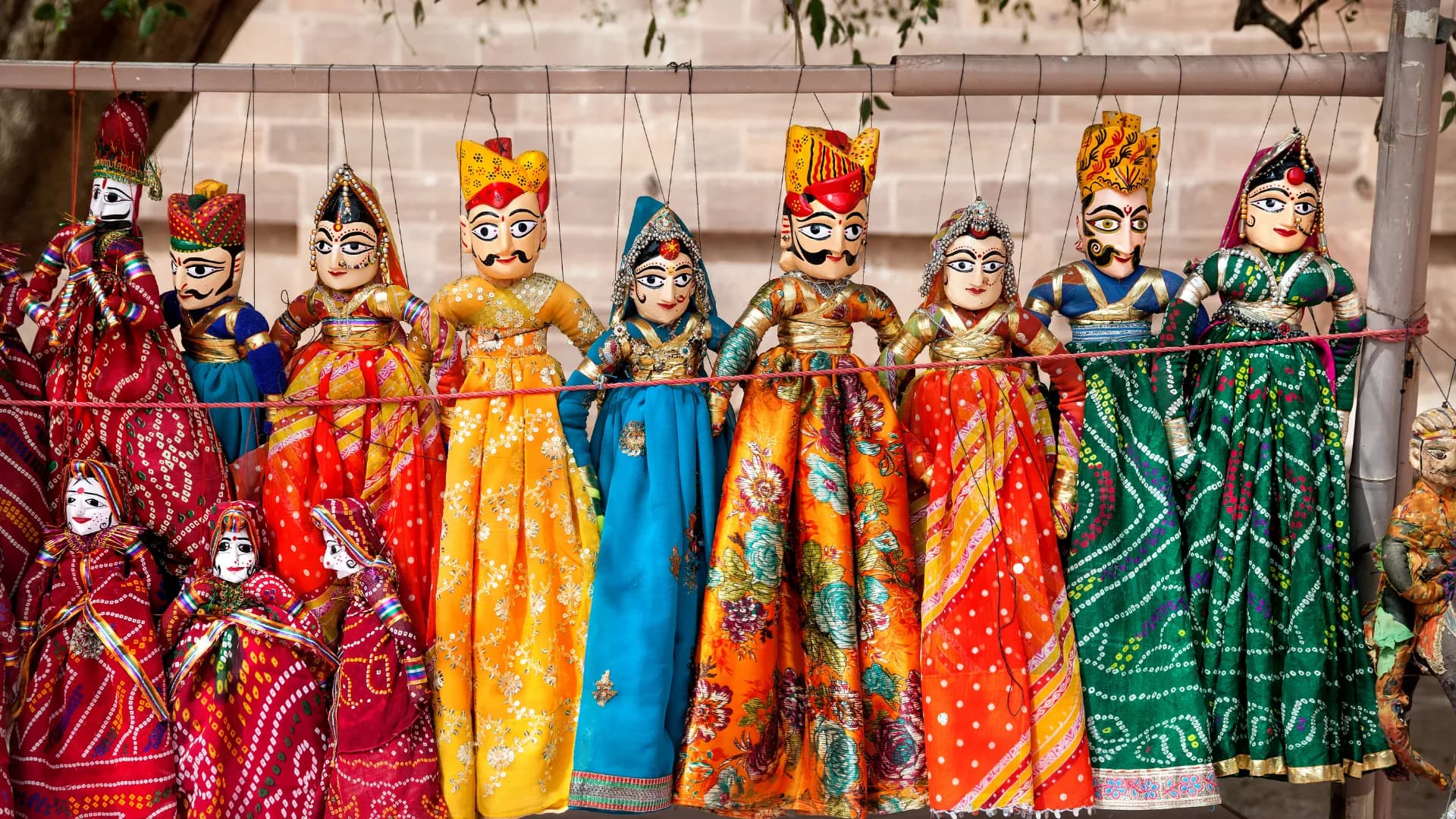
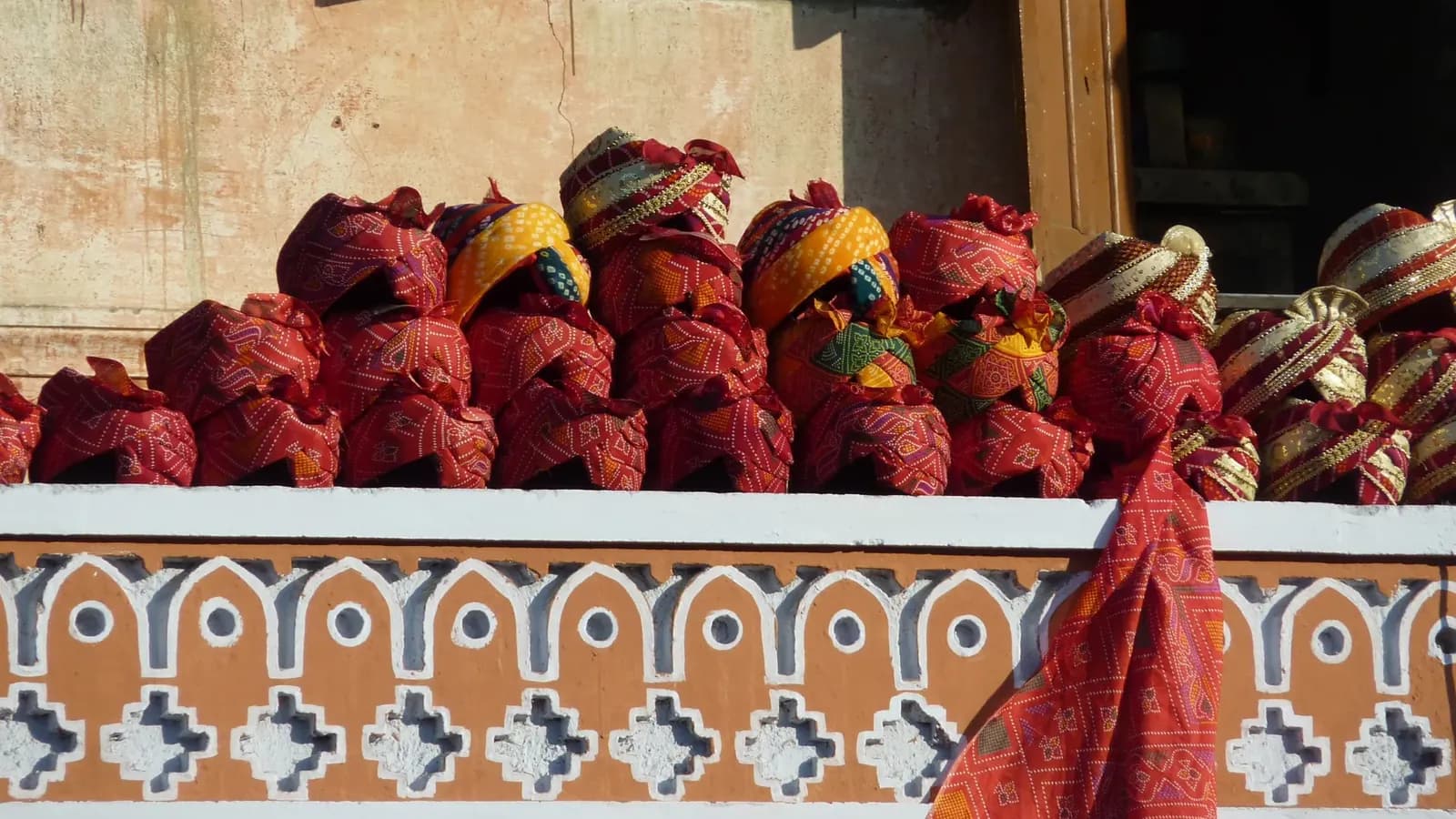
Why that turban is saffron, why the odhni has tiny dots and what the forehead ornament means. A friendly guide to reading Mewar's traditional dress, plus where to see and buy it.
 Performing Arts
Gangaur Ghat Best: Evening
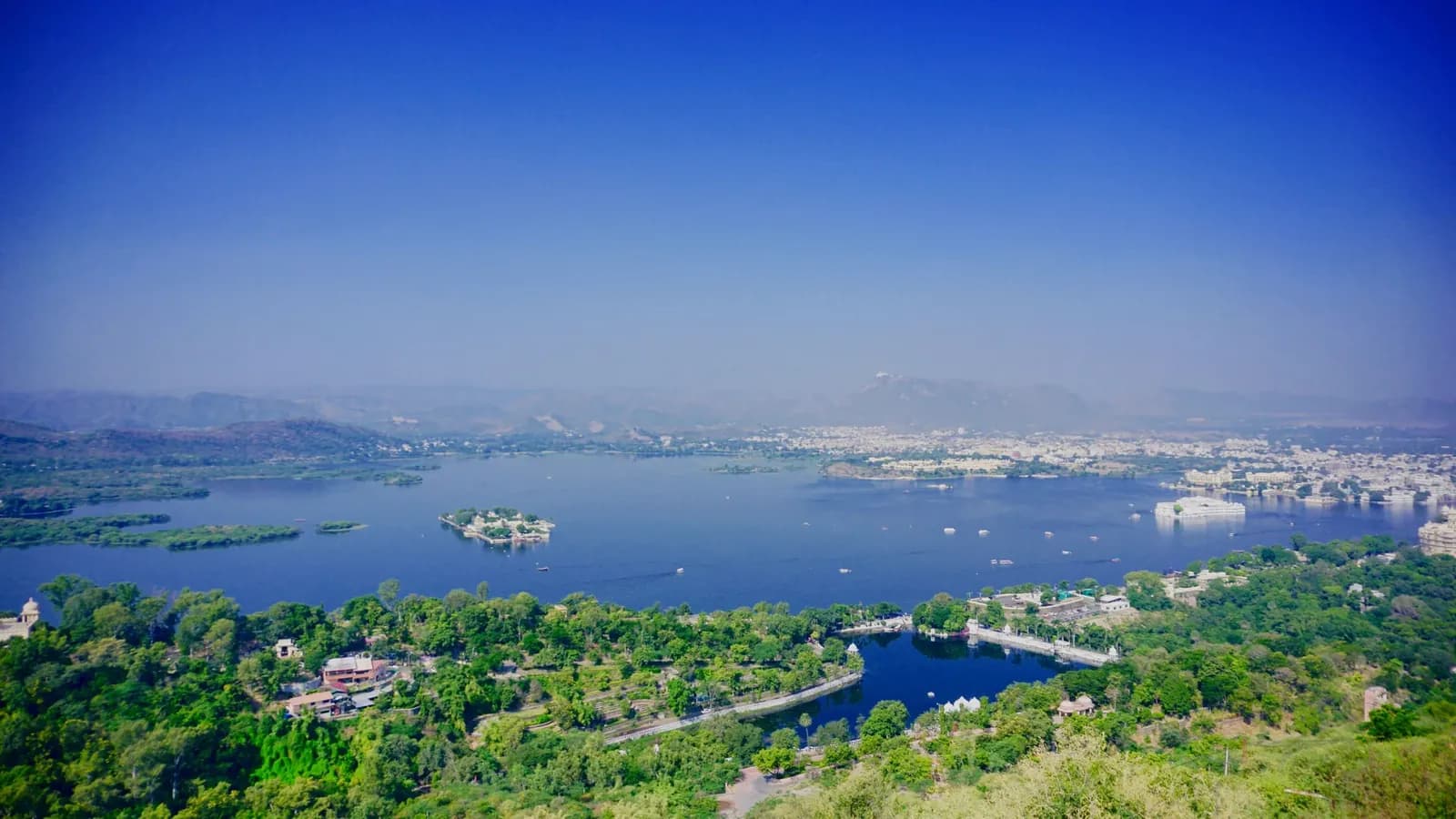
Spinning ghoomar skirts, a dancer balancing a tower of pots, puppets that bow to the crowd. Here's what to expect at the Dharohar show in Udaipur and how to get a good seat.
 History
Moti Magri & Haldighati (40 km) Best: Morning
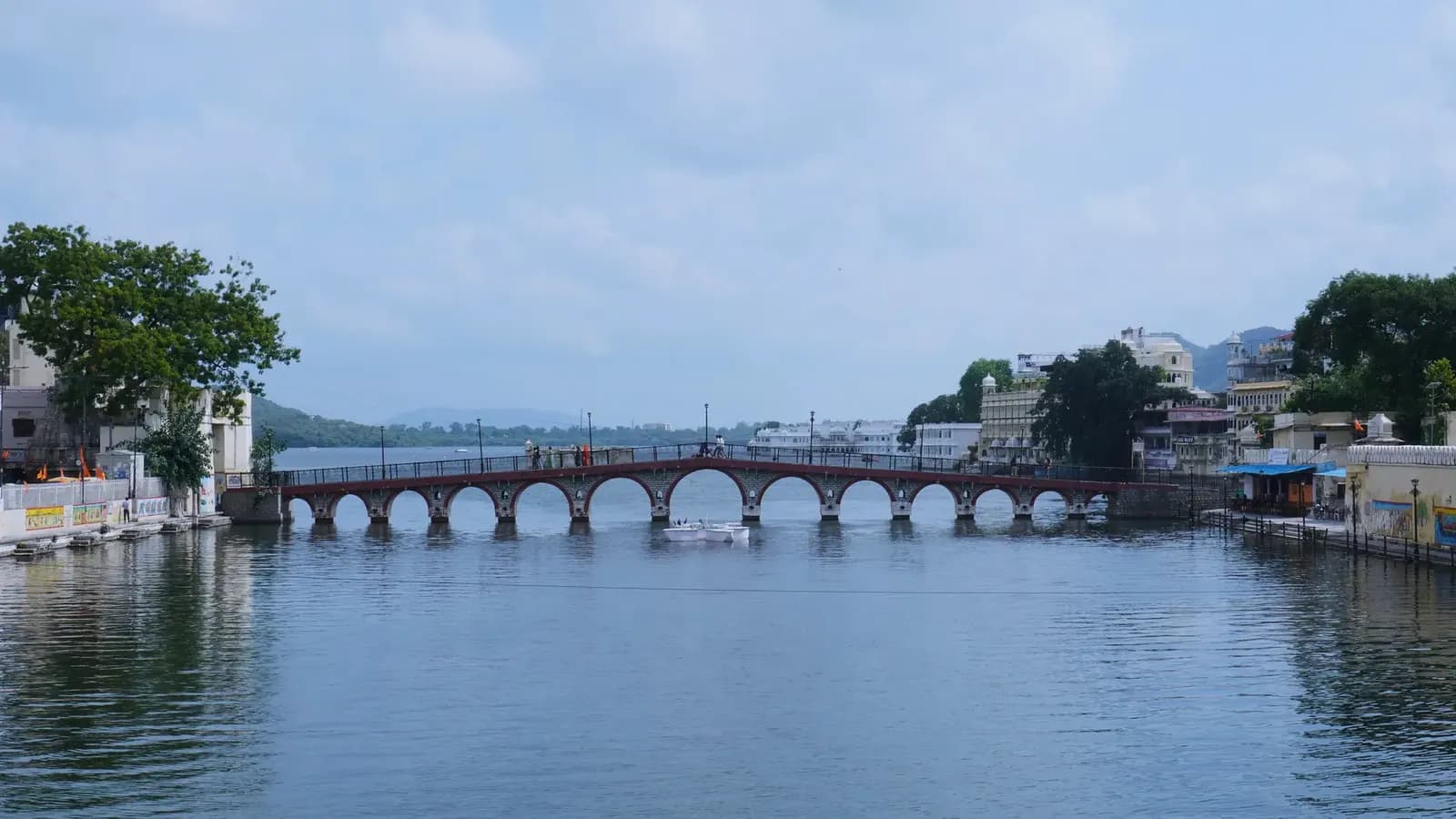
The king who refused to bow, the horse that carried him out of Haldighati, and the places in and around Udaipur where Mewar still remembers them. A traveller's guide to Maharana Pratap.
 Cinema
Citywide Best: Anytime
James Bond chased villains here, Bollywood threw its dreamiest wedding here. A film lover's guide to the movies shot in Udaipur and the real places you can see on your trip.
 Legends
Lake Pichola Best: Sunset
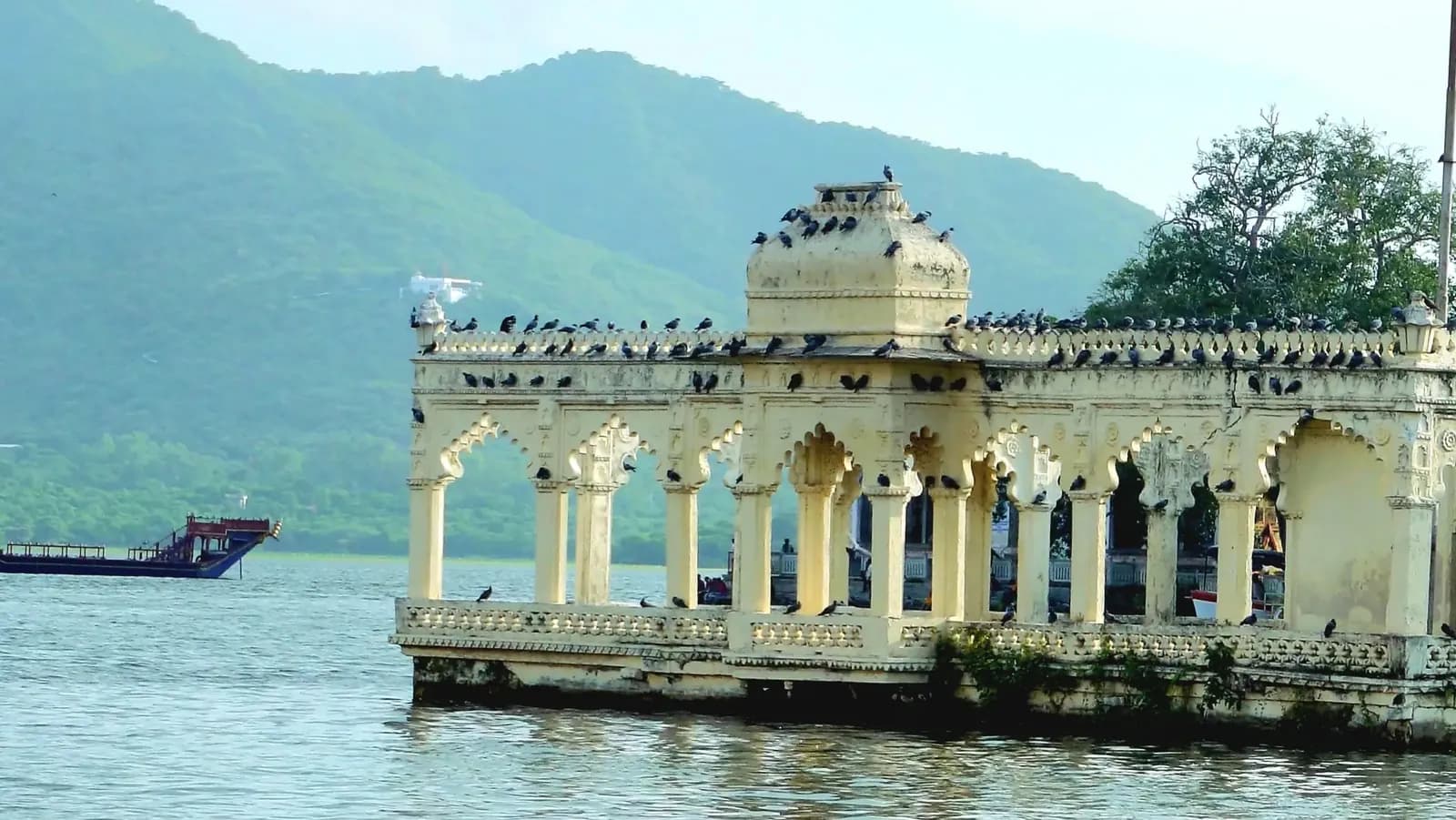
A tightrope walker, a royal wager and a rope that went slack over Lake Pichola. Here's the Natini legend Udaipur still whispers about, and how to separate story from history.
You can read about Mewar for weeks. Or you can stand in these spots for an hour and get it in your bones.
Old city · Royal historyBegun in 1559 and added to by Maharanas for roughly 400 years, it's the largest palace complex in Rajasthan. The museum walks you through royal life, armour and portraits. Give it two to three hours.
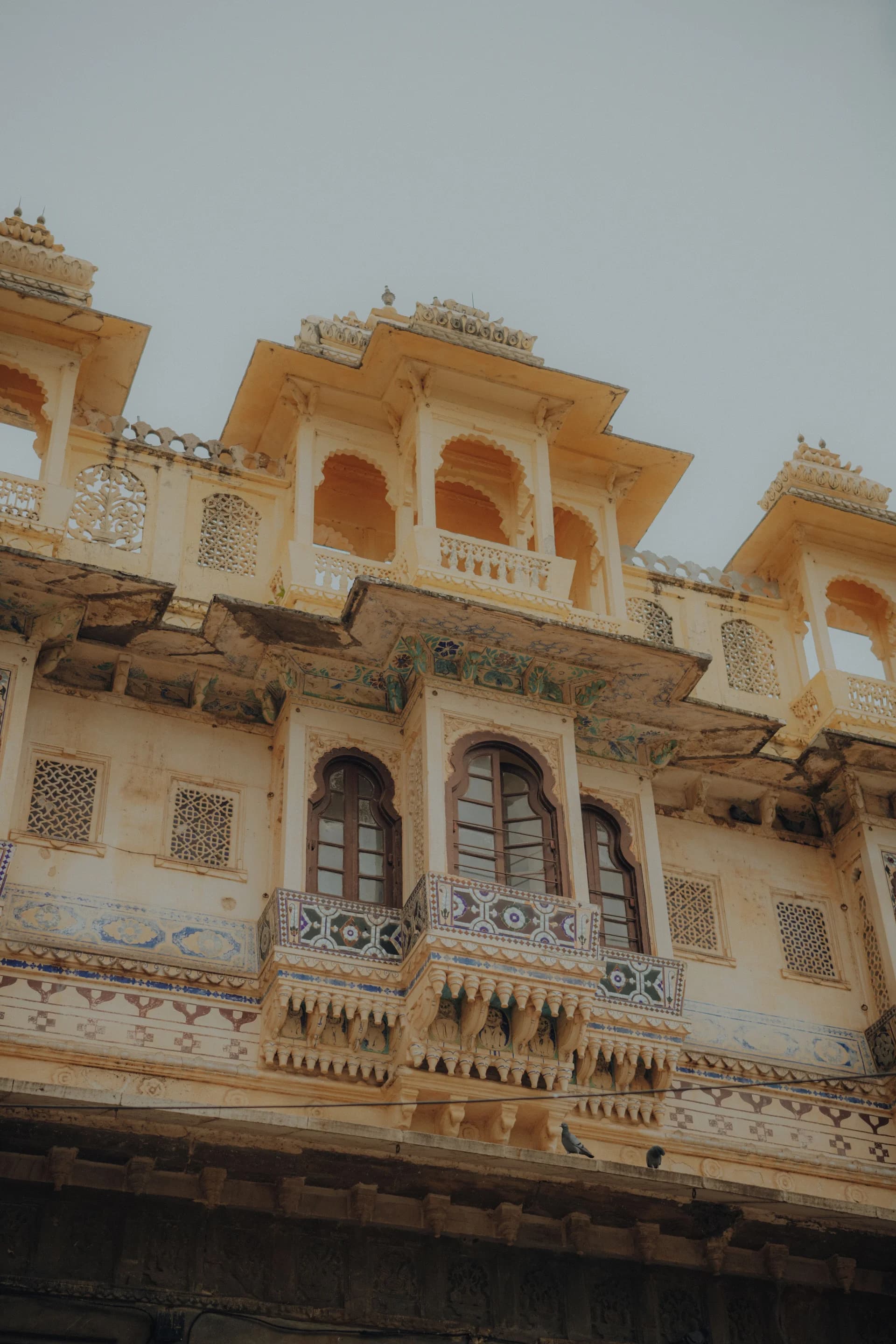 Old city · Temple life
Built in 1651 by Maharana Jagat Singh I and dedicated to Vishnu as Jagannath. Climb the steps around aarti time, when the bells ring out and the whole neighbourhood seems to pause.
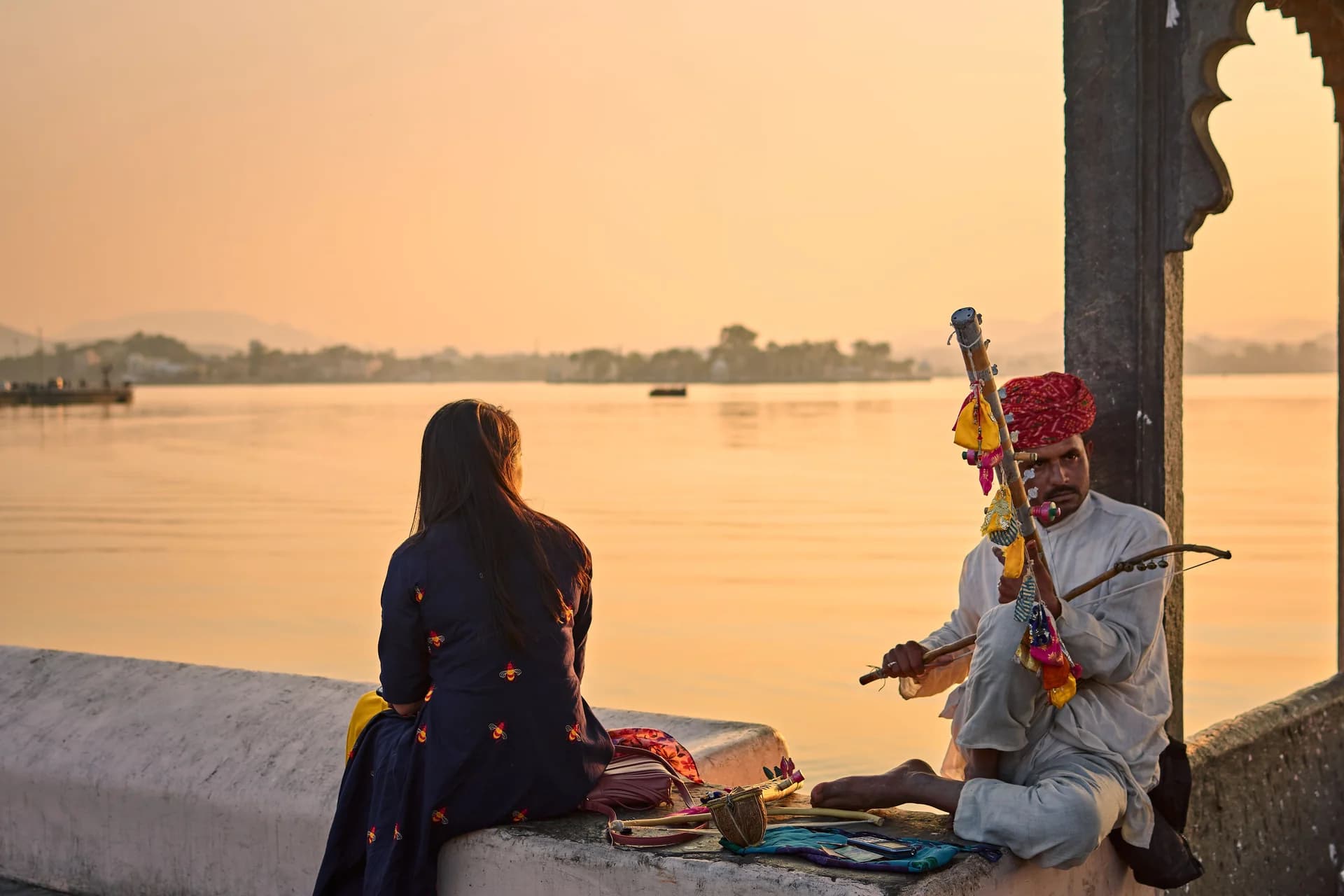 Gangaur Ghat · Folk performance
An 18th-century haveli on Gangaur Ghat that's a museum by day and home to the Dharohar folk dance show by night. Come early; the queue forms well before showtime.
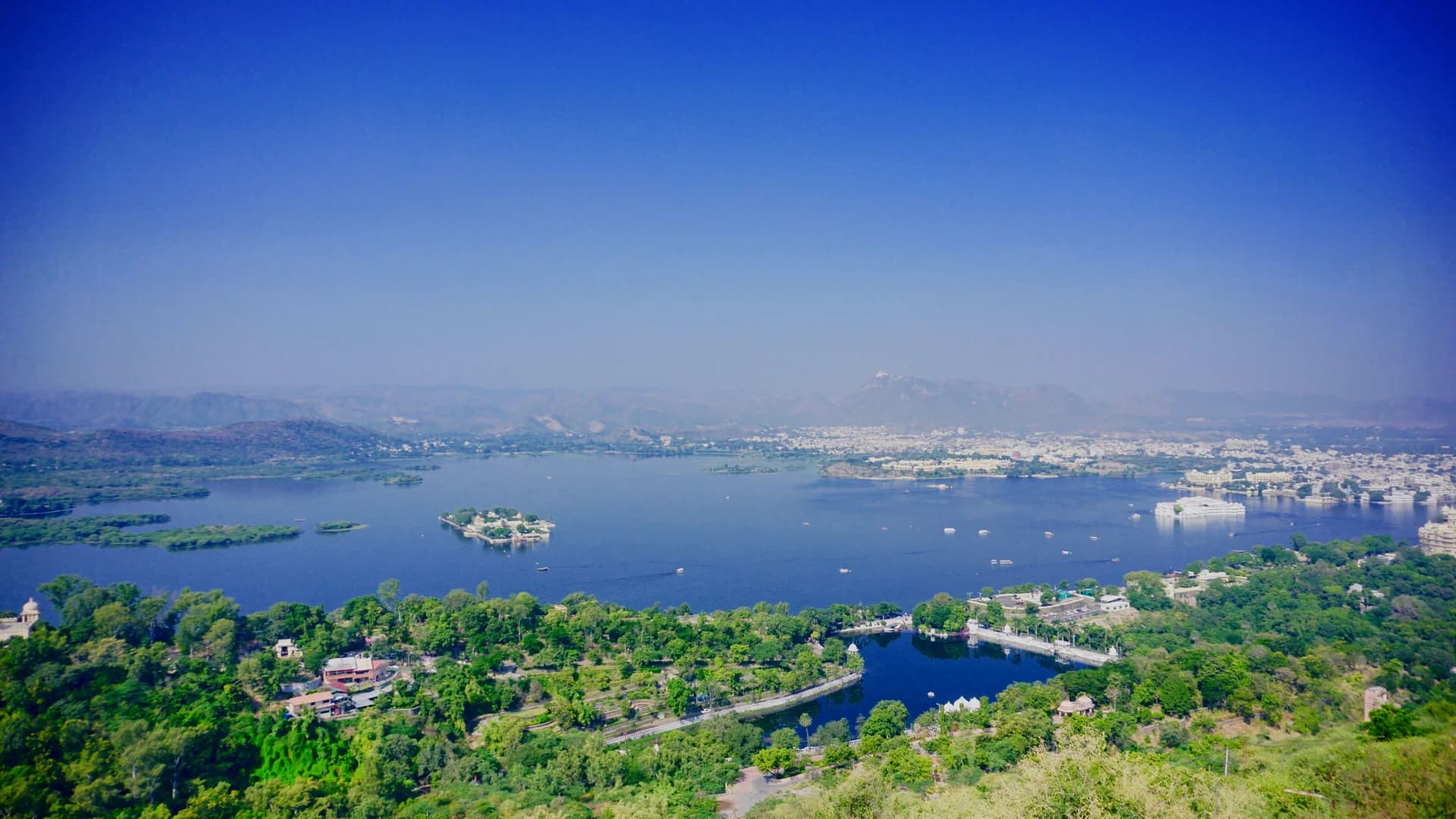 Fateh Sagar · Memorial
The hill above Fateh Sagar holds the Maharana Pratap memorial. It's a quiet, green spot to understand why the warrior king and his horse Chetak are so loved here.
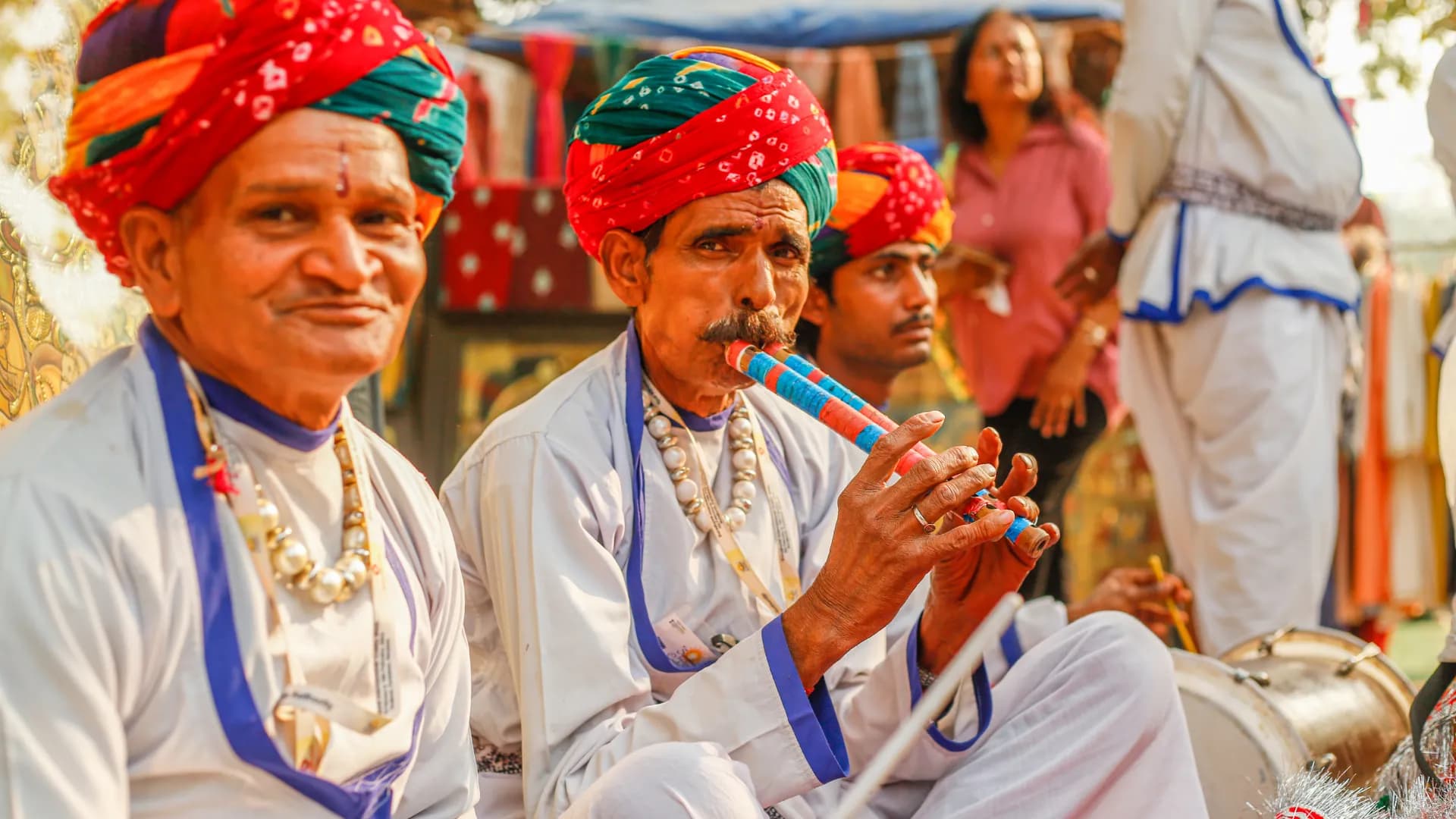 Fairs & ghats · Folk music
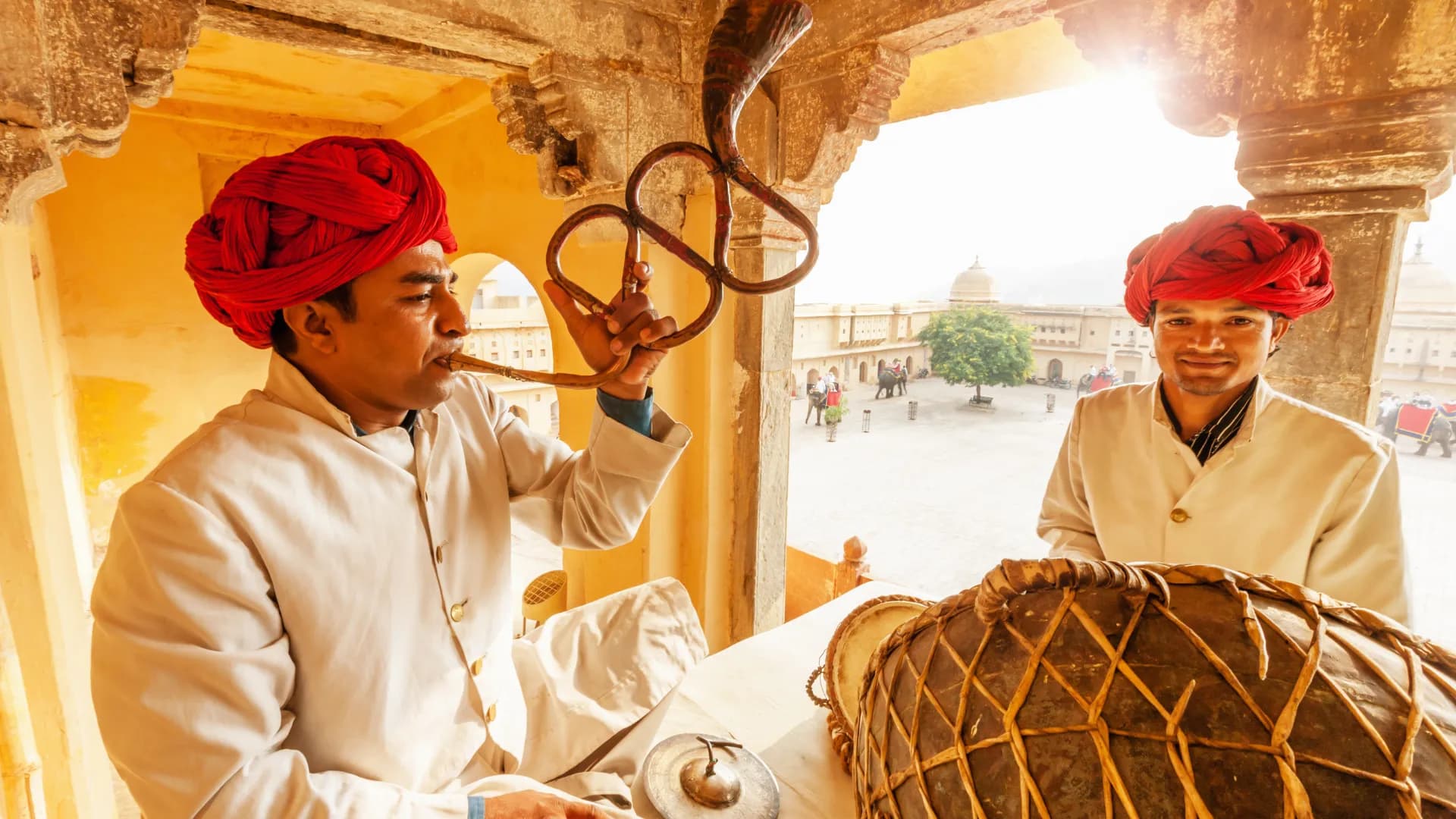
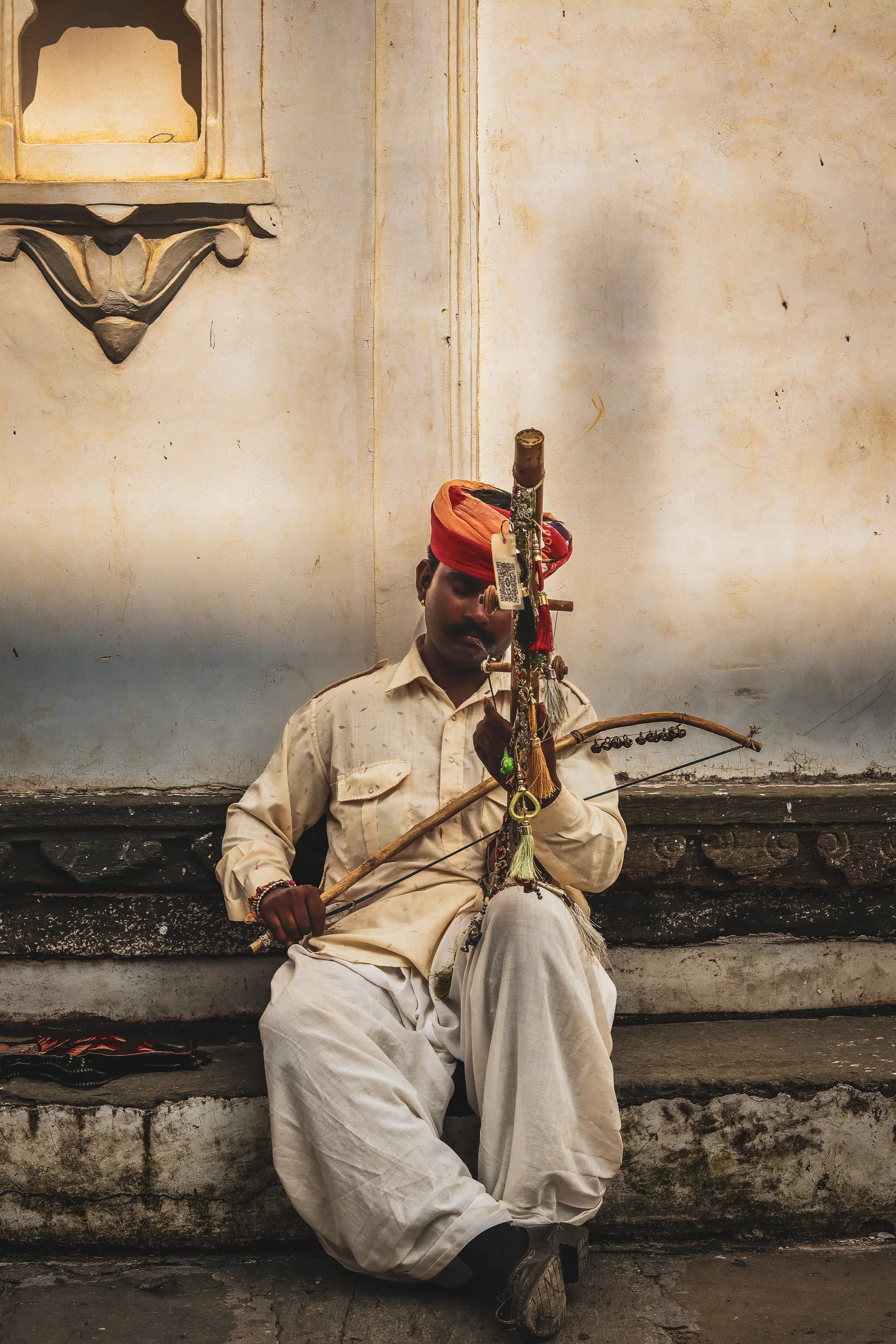
Hereditary musician families have sung the ballads of Mewar for generations. Catch them at fairs, festivals and outside the palace gates, and you'll hear history set to a drone and a drumbeat.
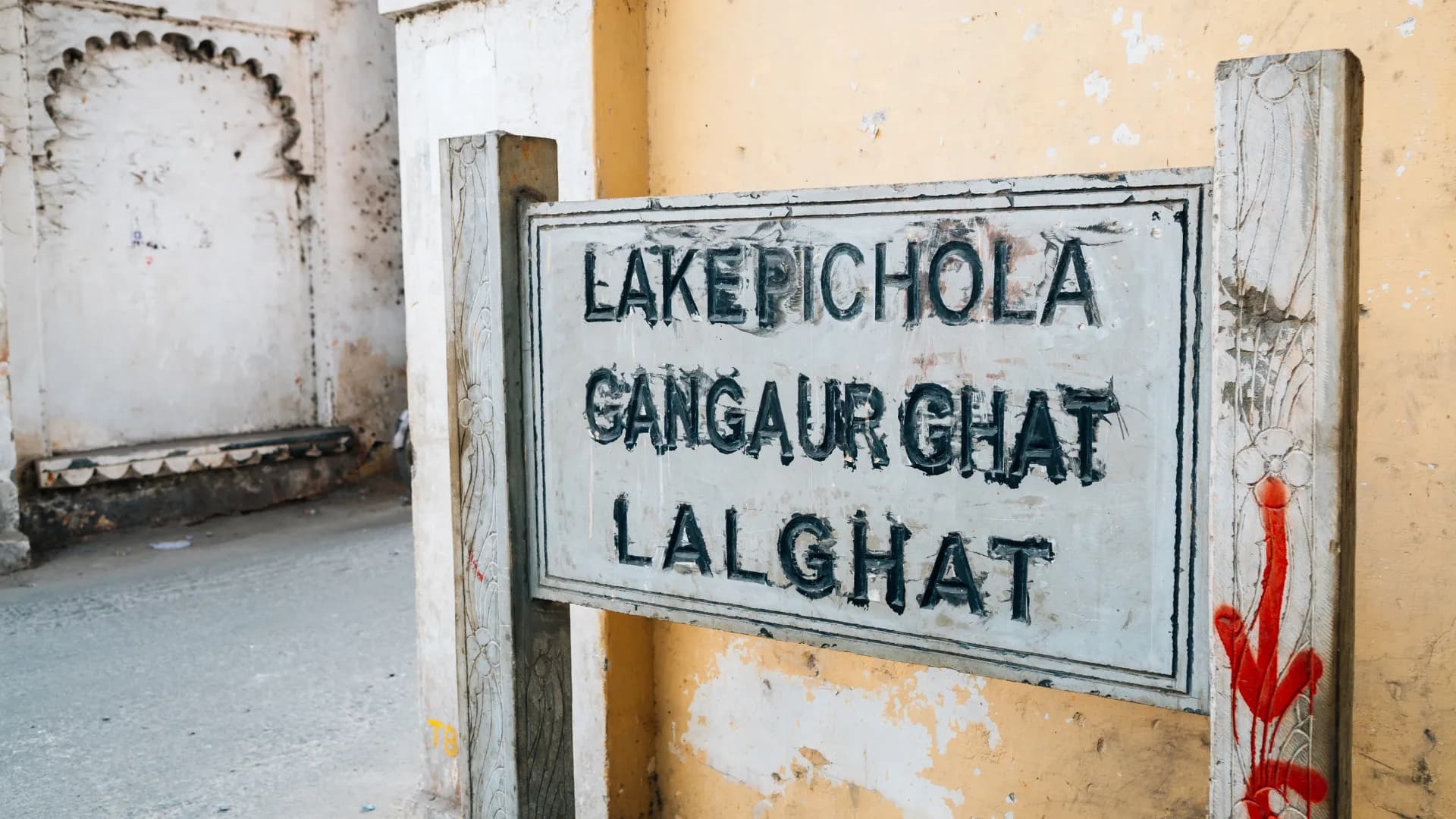 Lake Pichola · Ghat life
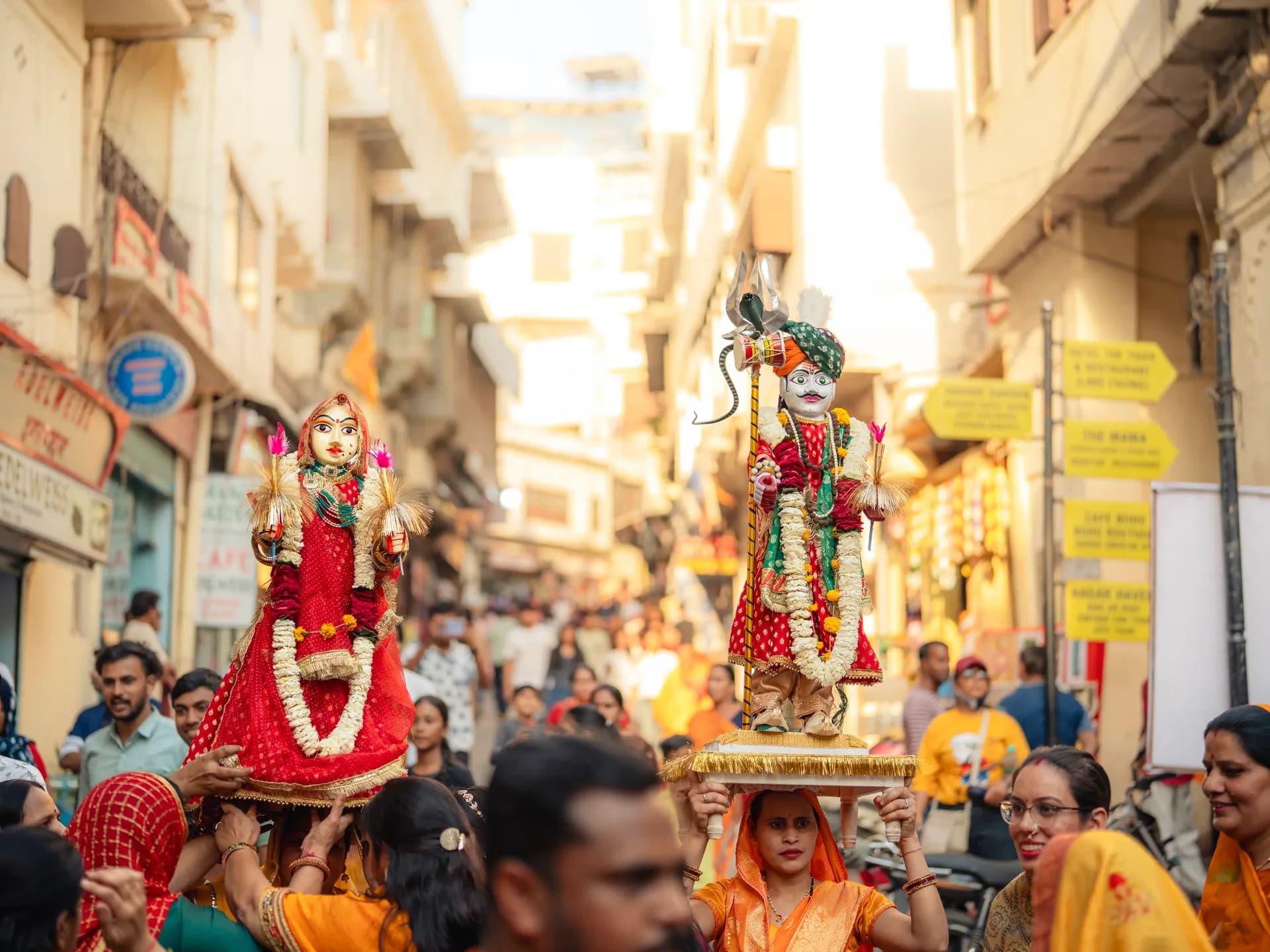
The old city's front porch on Lake Pichola. Festival processions end here, families gather on the steps at dusk, and the arched gateway frames the water beautifully.
The culture of Udaipur is easier to enjoy once you know what you're looking at. Here are the threads that show up everywhere.
Mewar's rulers prized honour and independence. Maharana Pratap's refusal to submit to Akbar remains the city's favourite story.
The ravanhatta, a bowed string instrument, and the voices of hereditary folk singers carry ballads of kings, lovers and deserts.
Ghoomar's swirling skirts, kalbeliya's fluid black-and-silver moves and bhavai's towering stacks of pots balanced on the head.
A pagdi or safa signals region, community and occasion. Women's odhnis and ghagras turn every gathering into a colour chart.
Morning aarti, marigold garlands and prasad. Temples here are part of daily routine, from Jagdish in the old city to Eklingji.
Every evening, around 7 pm, the courtyard of Bagore ki Haveli fills up for Dharohar, roughly an hour of Rajasthani folk music and dance. You'll see ghoomar, a puppet act, and the bhavai dancer who keeps adding brass pots to her head until the audience forgets to breathe.
It's the easiest way to see the folk dance of Rajasthan done properly in one sitting. Seats go fast in peak season, so join the queue early, and check current timings and ticket details at the haveli on the day.
One easy, walkable day that covers temples, royal history, music and food, with time to sit and watch the city go by.
Early morning
Arrive while the old city is still waking up. Shoes off at the steps, listen to the bells, then wander the lanes as shutters roll up and chai kettles start boiling.
Late morning
Walk next door and spend two to three hours in the palace. Look for the portraits of the Maharanas and the views over Lake Pichola from the upper courtyards.
Afternoon
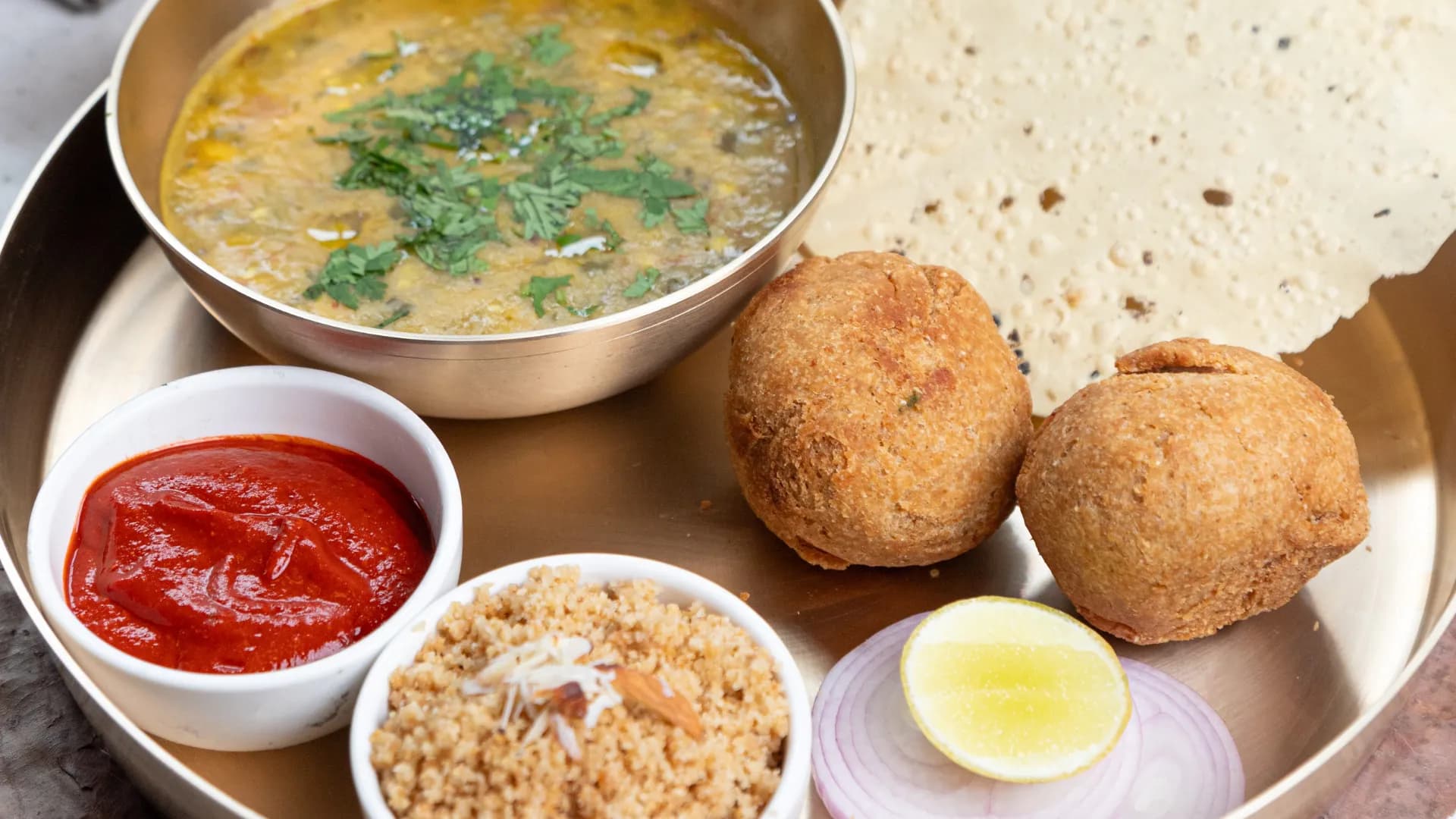
Lunch on a Rajasthani thali, then drift down to Gangaur Ghat and across to Ambrai Ghat. This is when you'll spot locals feeding pigeons and old men debating cricket.
Sunset
Head up to the Maharana Pratap memorial for late-afternoon light, then enjoy the breeze and street snacks on Rani Road along Fateh Sagar.
Evening
Finish with the folk dance show by Gangaur Ghat. Queue early, find a spot with a clear view of the stage, and keep a little cash for the musicians outside.
Dress modestly for temples: shoulders and knees covered. A light scarf in your bag solves most situations.
Remove your shoes before entering any temple, and some homes too. Look for the pile of footwear at the door.
Ask before photographing people, especially women and performers. A smile and a gesture at your camera is usually enough.
Greet with a warm 'Khamma ghani' or 'Namaste'. Locals light up when visitors try the Mewari greeting.
Many havelis are still family homes. Admire carvings from the lane and don't wander through open doors uninvited.
During festivals, processions take over the lanes. Step aside, enjoy the music, and leave extra time to get anywhere.
New places, festival dates, food finds and the odd local secret. One friendly email when there's something worth telling you, never spam.
Udaipur is known for its Mewar Rajput heritage, grand palaces and lakeside temples. Add to that Rajasthani folk music and dance, colourful turbans and textiles, and festivals like Gangaur and the Mewar Festival that still bring the whole city out onto the ghats.
Maharana Udai Singh II of the Sisodia Rajputs founded Udaipur in 1559. His son, Maharana Pratap, is revered for resisting the Mughal emperor Akbar, most famously at the Battle of Haldighati in 1576. His memorial at Moti Magri, above Fateh Sagar, is worth a visit.
The best-known option is the Dharohar show at Bagore ki Haveli on Gangaur Ghat, held most evenings around 7 pm and lasting roughly an hour. It covers several Rajasthani folk dances and a puppet act. Queue early and check current timings and tickets at the haveli.
Ghoomar is the graceful spinning dance in a wide ghagra, kalbeliya comes from the snake-charmer community with fast, fluid moves, and bhavai involves balancing a tall stack of pots on the head. You'll often see all three at the Dharohar show and at festivals.
Wear clothes that cover your shoulders and knees, and carry a scarf just in case. You'll need to remove your shoes at the entrance, so slip-ons make life easier.
Usually yes, if you ask first. Most locals are friendly about it, but women, priests and performers deserve a polite request. Some temples don't allow photography inside, so look out for signs.
Two full days cover the City Palace, Jagdish Temple, the old city, a Dharohar evening and Moti Magri. Add a third day for Eklingji and Haldighati, and plan around a festival if you can.
Tell us what you love, whether that's history, music or temple mornings, and we'll help shape a Udaipur trip around it. Udaipur is calling; don't leave it on read.