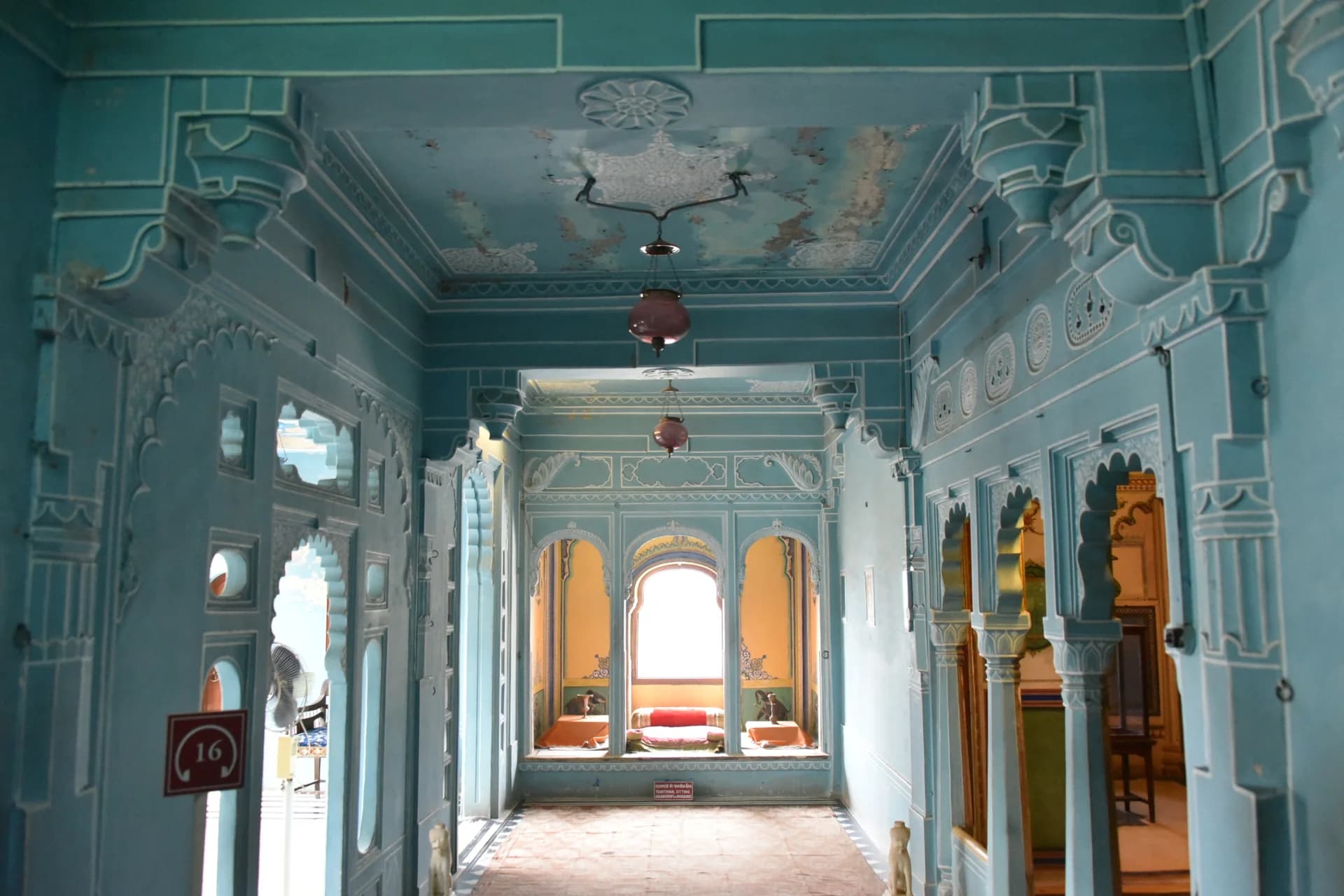
 Painting · Old-city studios
Mewar miniature painting
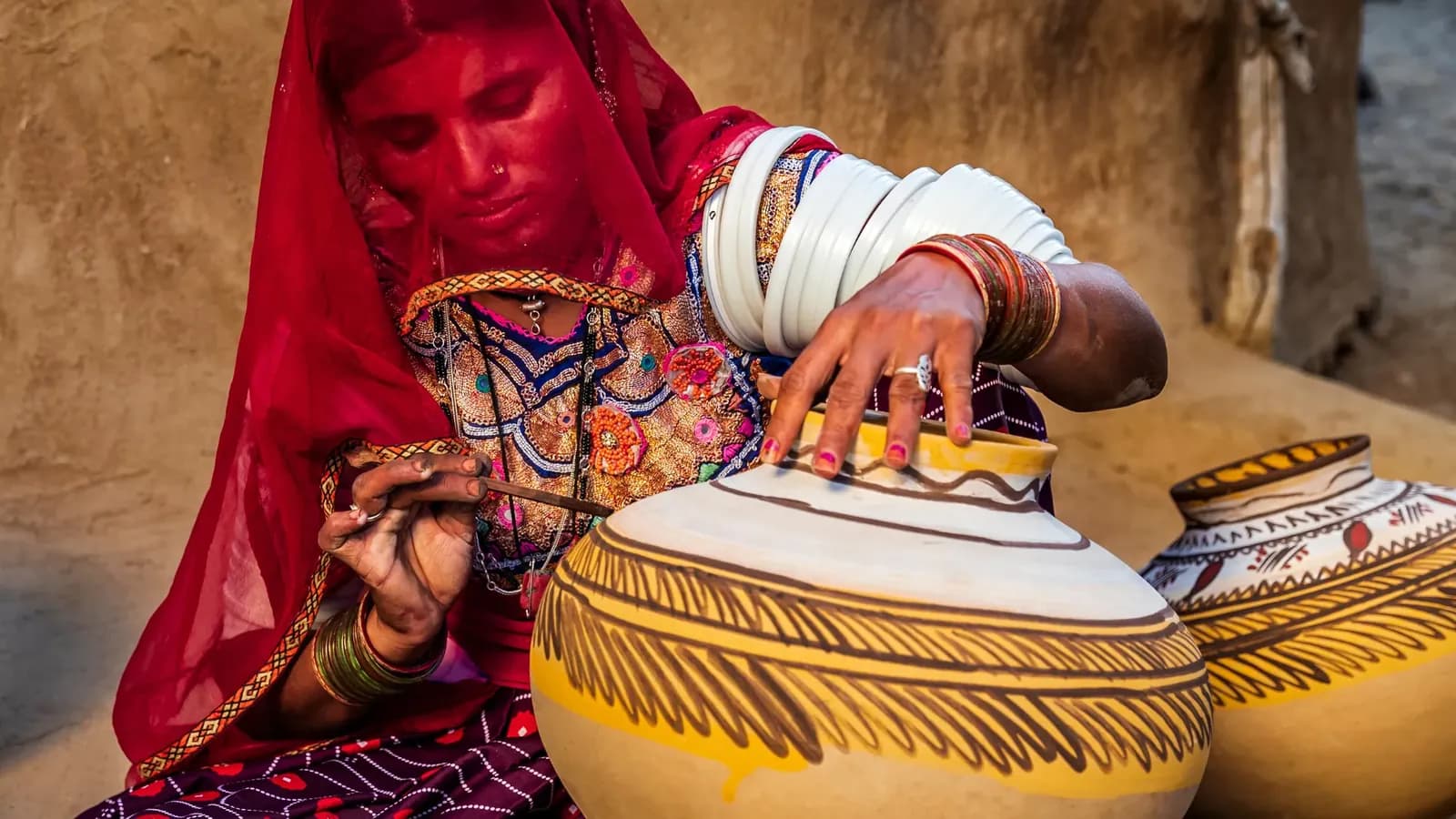
Courtly scenes, hunts and Krishna legends painted with hair-fine brushes and mineral colours. Good pieces reward a magnifying glass; ask the artist to show you the brushwork on a face.
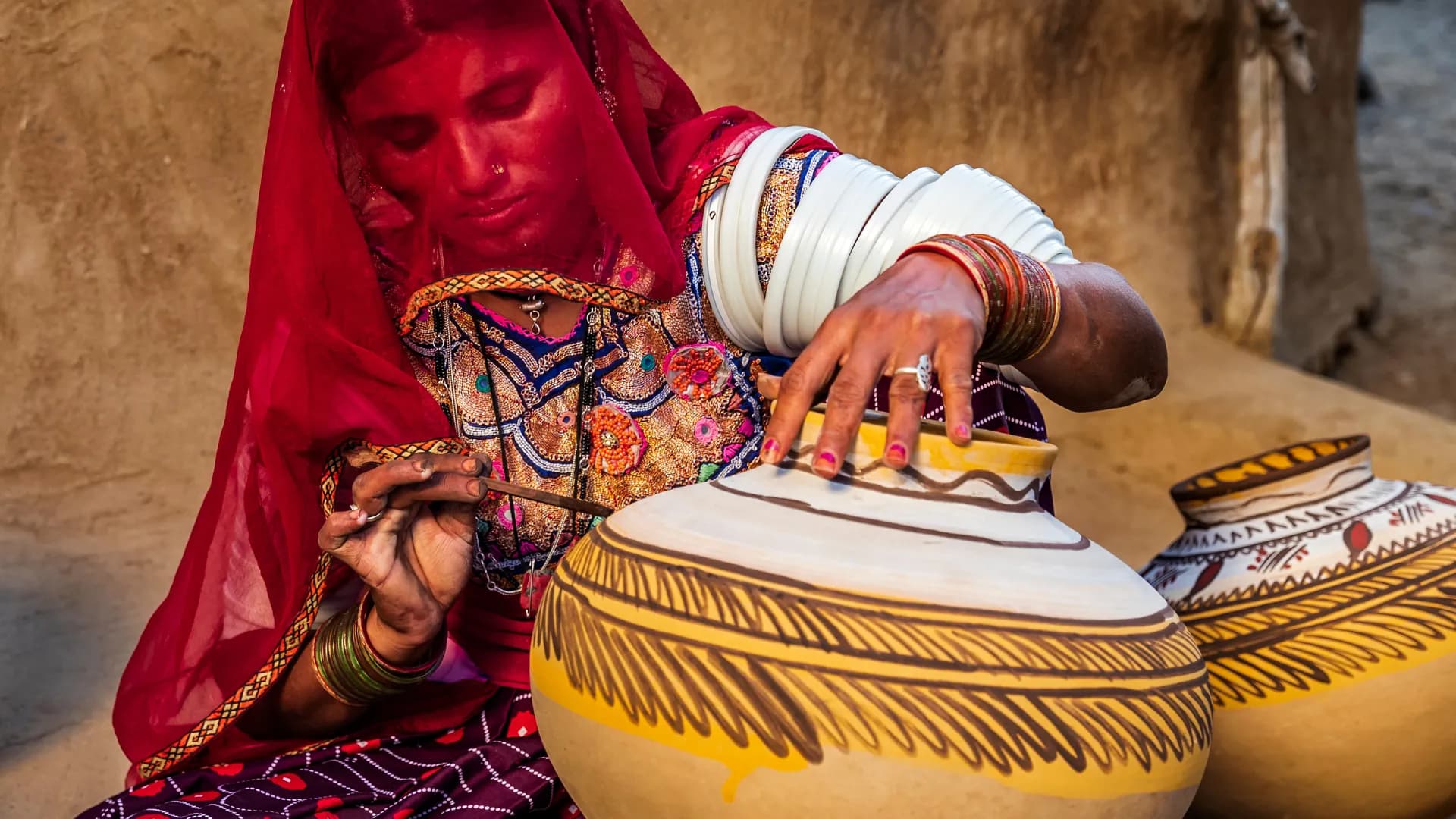
Art & Crafts
Brushes thinner than an eyelash, puppets with painted moustaches, cloth tied into a thousand tiny dots. Udaipur still makes things by hand, and most makers are happy for you to pull up a stool and watch.
Walk the lanes around Jagdish Temple and you'll notice something: half the shops have a painter hunched over a tiny panel near the door. Udaipur's crafts aren't imported for tourists. Many families have practised the same skill for generations and simply set up shop where visitors could find them.
Mewar has its own school of miniature painting, Nathdwara next door gave the world Pichwai, and nearby villages still shape terracotta and tie bandhani by hand. That makes Udaipur one of the best places in Rajasthan to see how things are made before you decide what to take home.
Use this page to learn what each craft is, where to find the real thing and how to shop in a way that keeps artisans in business.
Profiles of artisans, buying guides and behind-the-scenes looks at how Udaipur's handicrafts are made, from the first sketch to the final coat of varnish.
Type
Good for
Best time
Showing all 6 stories
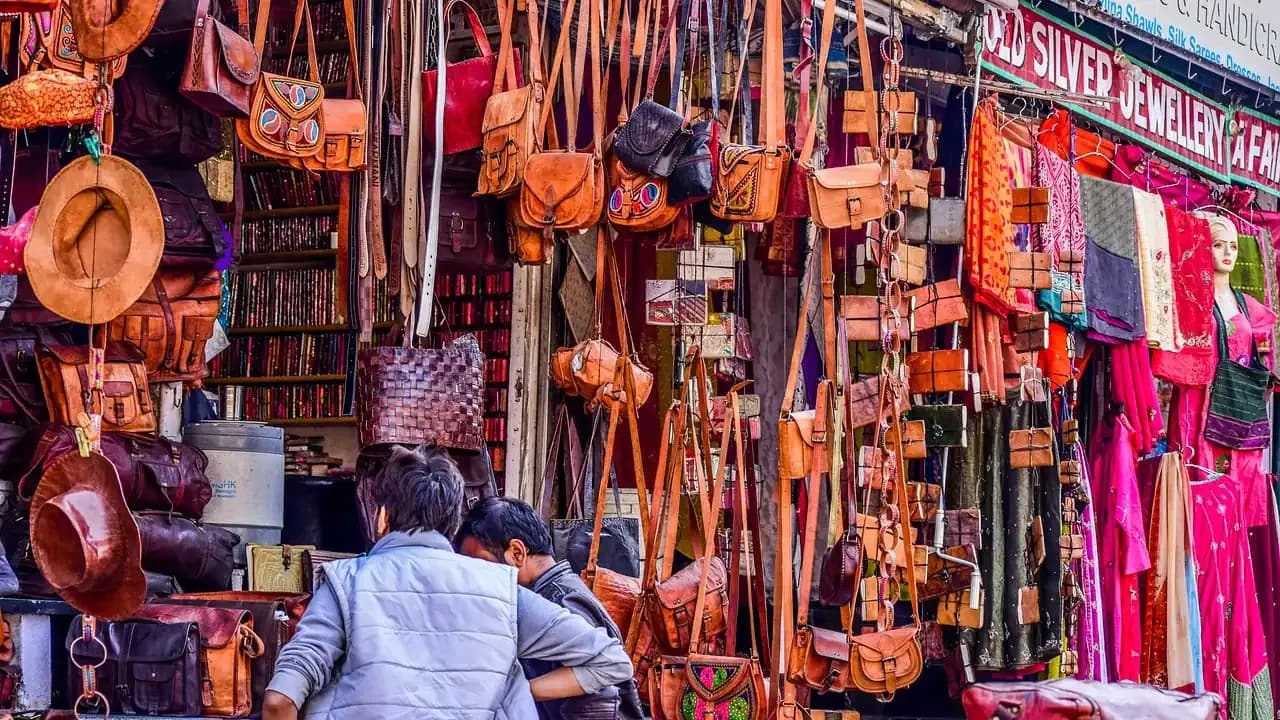
From miniature painters at Hathi Pol to lac bangles by the Clock Tower, here's a local's street-by-street guide to Udaipur's markets, plus what each bazaar does best.
 Souvenirs
Citywide Best: Anytime
Bandhani, mojaris, silver, Molela terracotta, koftgari and marble: what's worth buying in Udaipur, how to spot handmade from machine-made, and how to bargain without being rude.
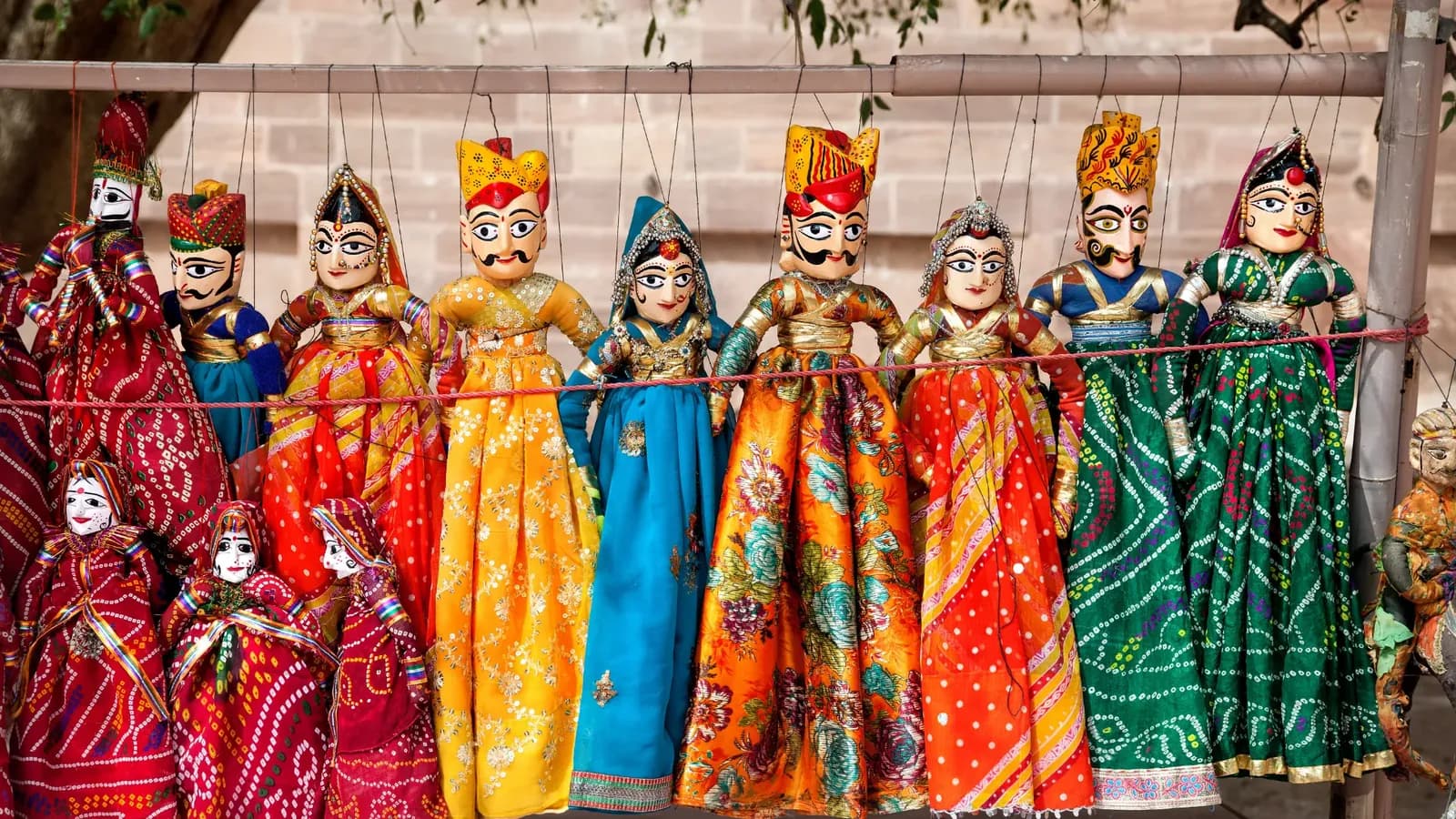 Puppetry
Old City Best: Evening
Wooden faces, swirling skirts and a squeaky voice that makes every child in the room giggle. Here's the story of kathputli, how a show works and where to catch one in Udaipur.
 Textiles
Citywide Best: Festive Season
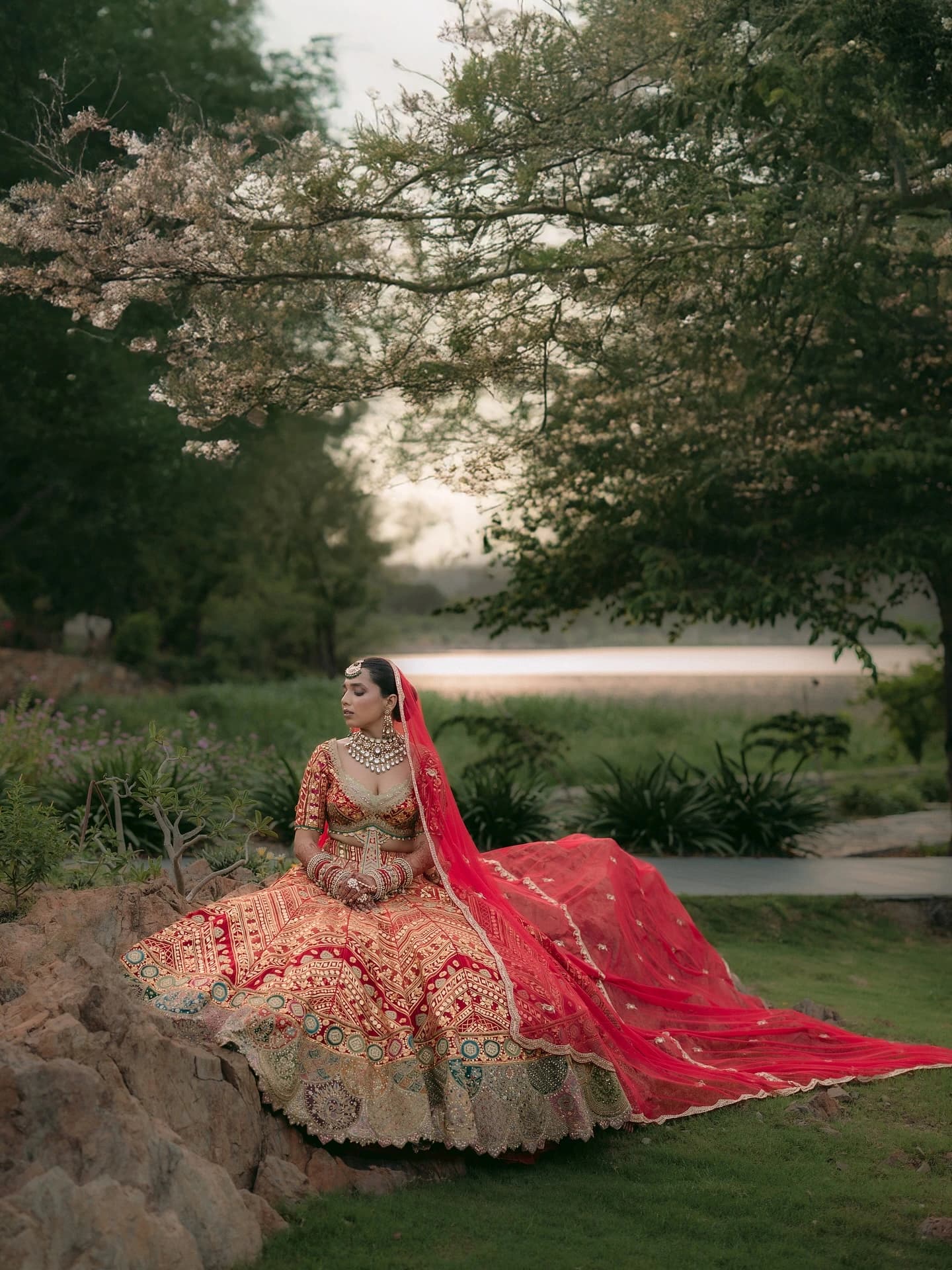
Rakhi, Teej, Diwali or a family wedding coming up? Here are 11 saree shops in Udaipur worth a browse, grouped by area, plus tips on fabric, blouses and buying calmly.
 Painting
Nathdwara (48 km) Best: Morning
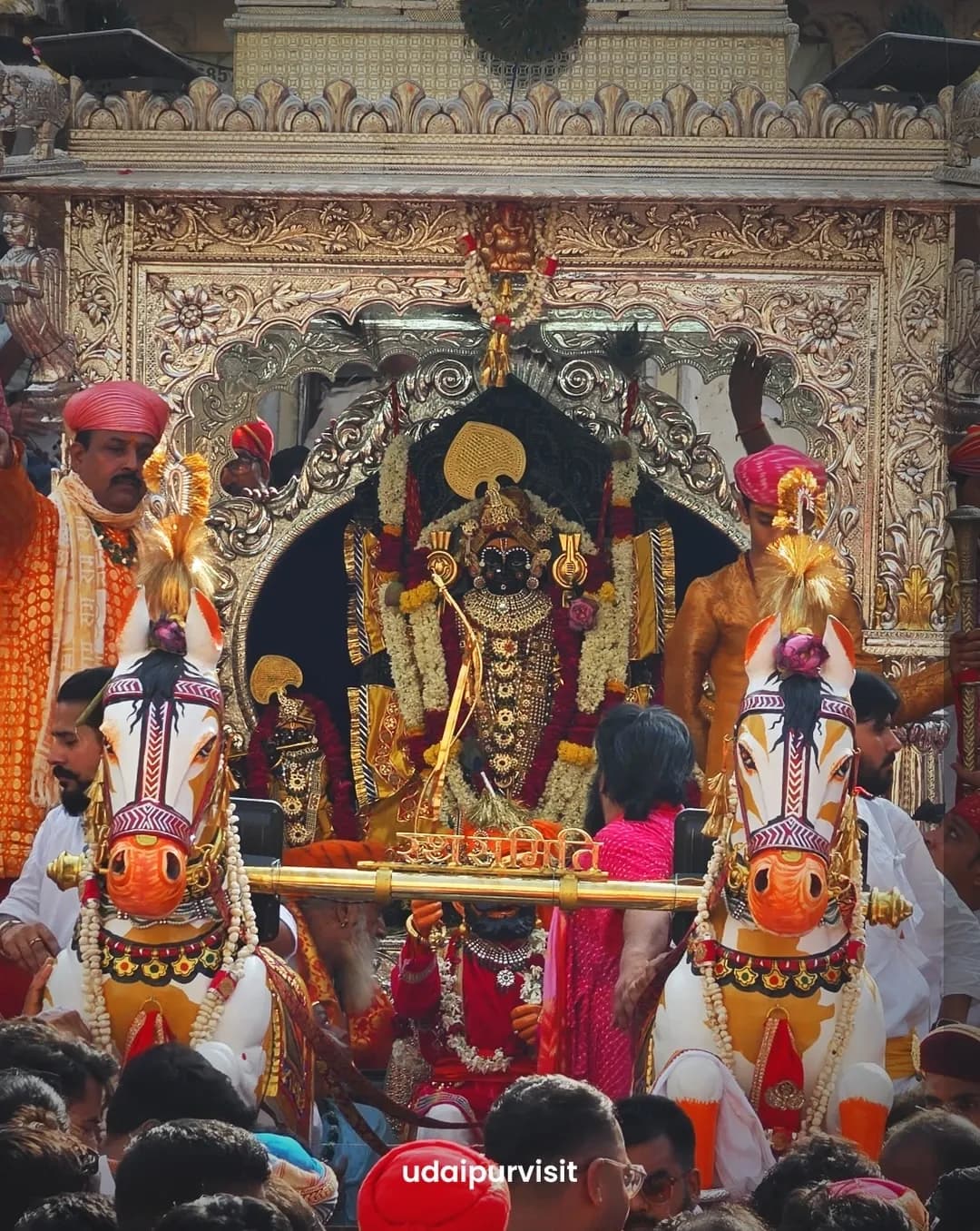
Lotus ponds, sacred cows and a dark-skinned Krishna with one arm raised. Here's what Pichwai paintings mean, how to visit Nathdwara, and how to choose one to take home.
 Painting
Old City Best: Anytime
Tiny brushes, mineral colours and stories of kings and Krishna. Here's how to see Mewar miniature painting in Udaipur, try a lesson, and buy a real one, not a print.
Learn to recognise these and every market stall starts making more sense.
Painting · Old-city studiosCourtly scenes, hunts and Krishna legends painted with hair-fine brushes and mineral colours. Good pieces reward a magnifying glass; ask the artist to show you the brushwork on a face.
 Painting · Nathdwara
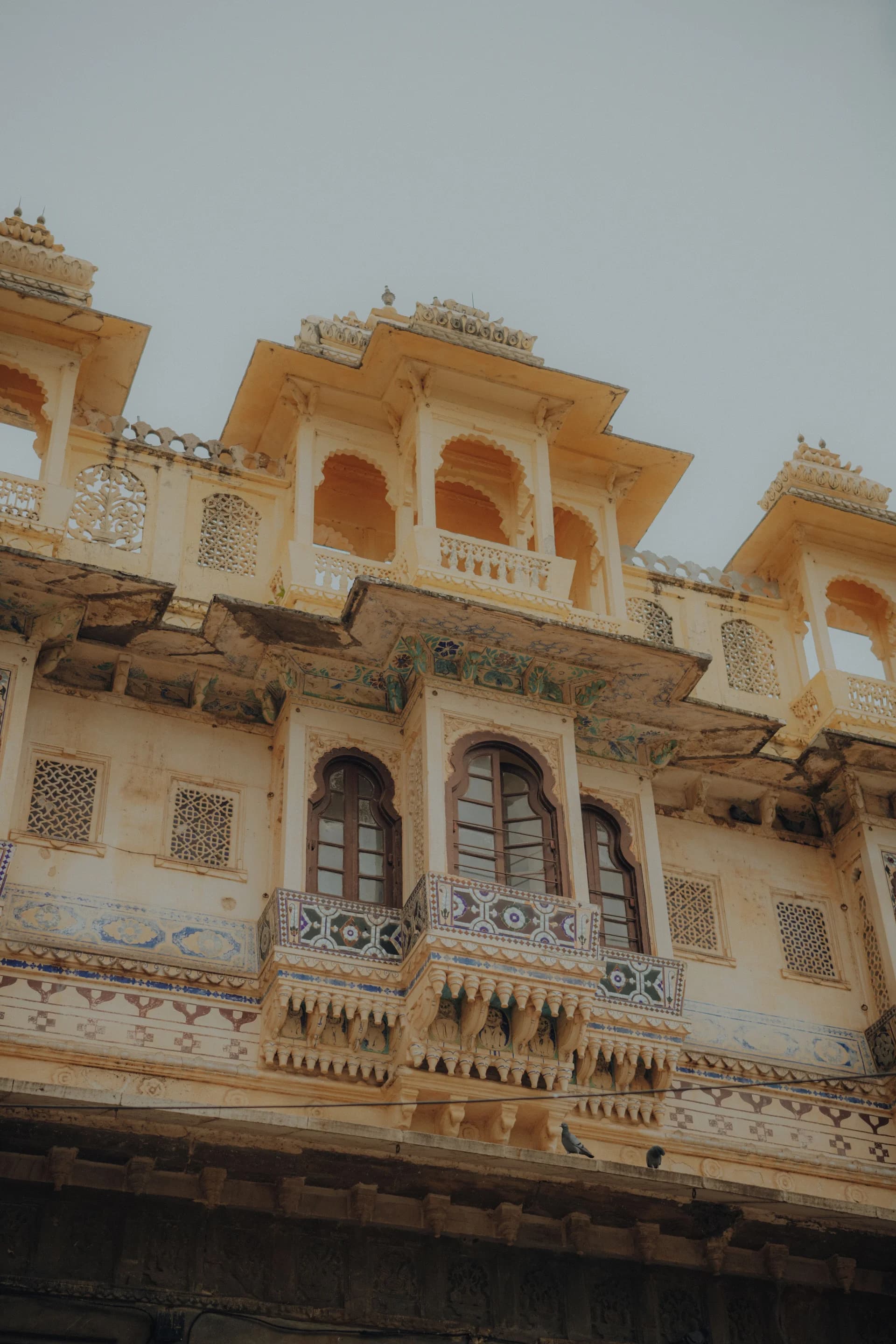
Large cloth paintings made to hang behind the image of Shrinathji at Nathdwara. Expect Krishna, cows, lotus ponds and seasonal festivals, often in deep blues, greens and gold.
 Woodwork · Bada Bazaar
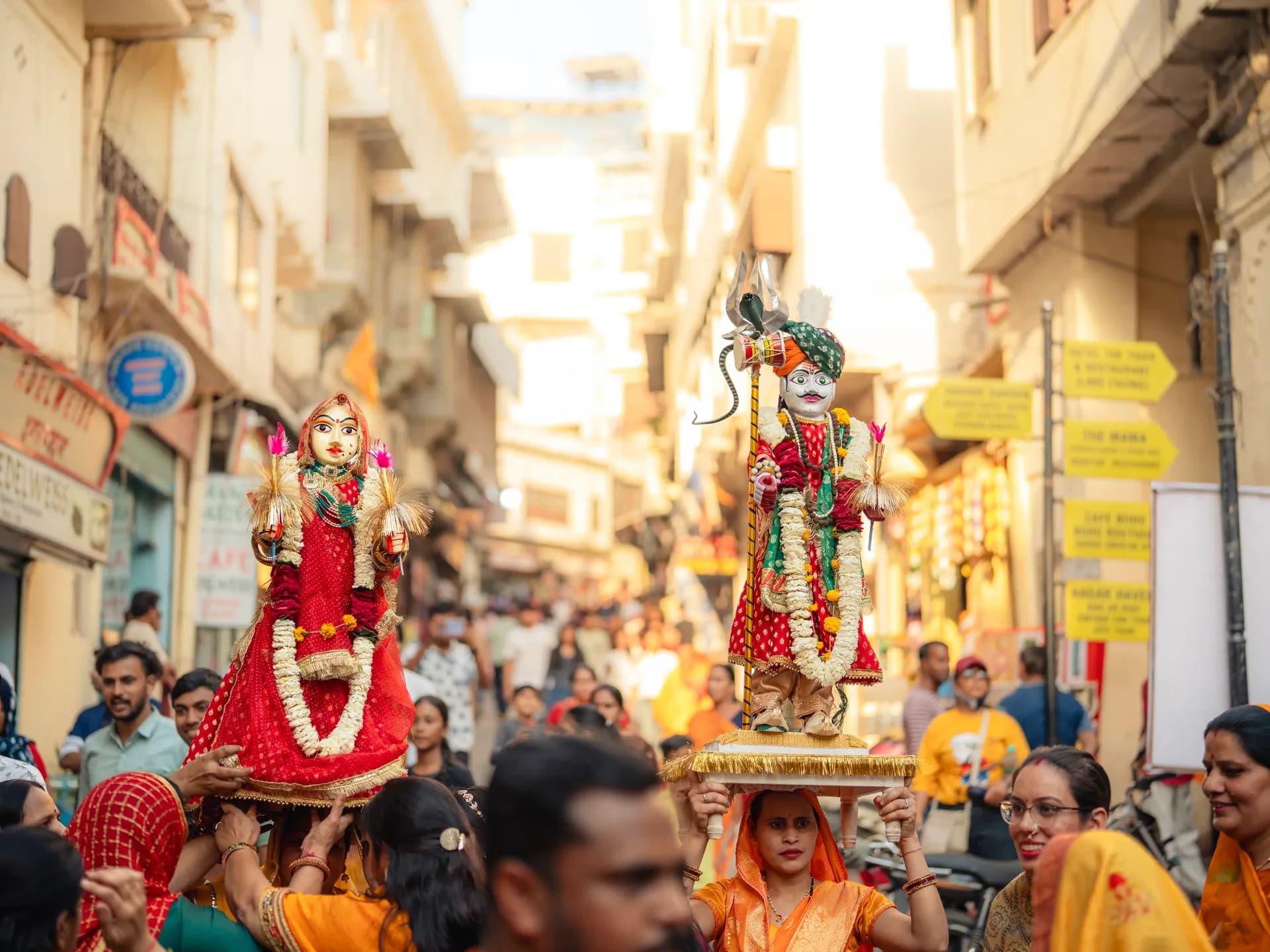
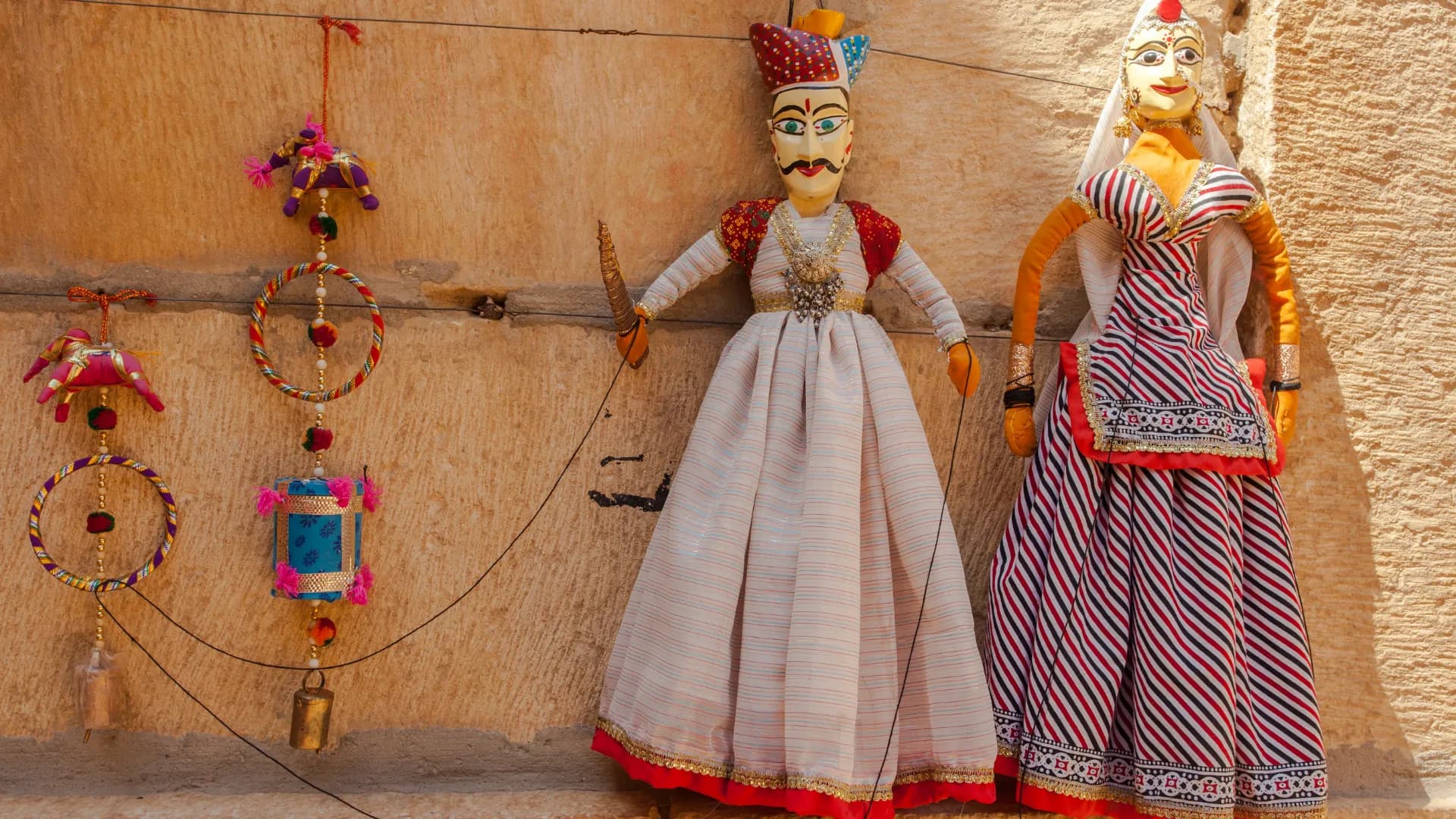
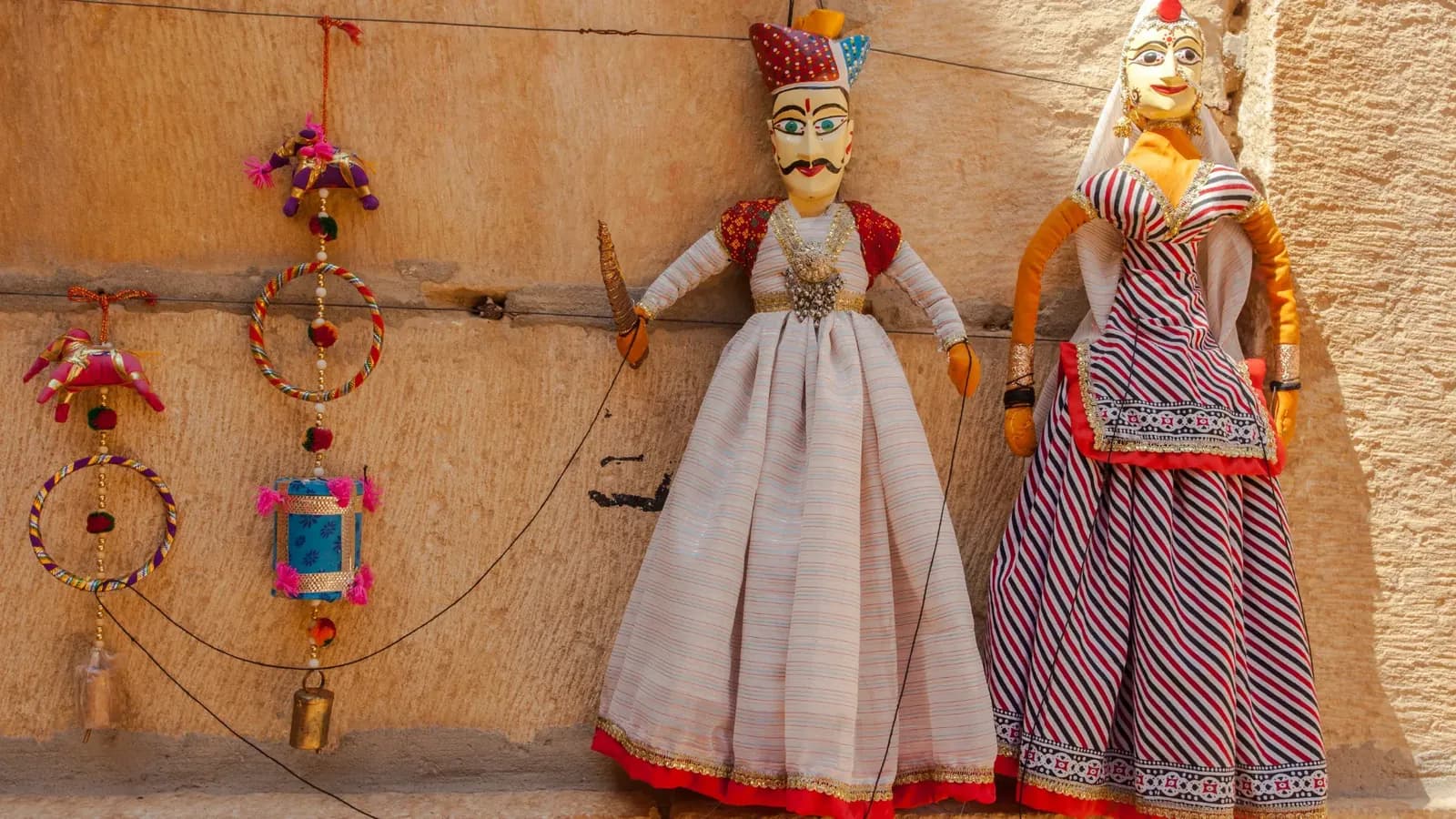
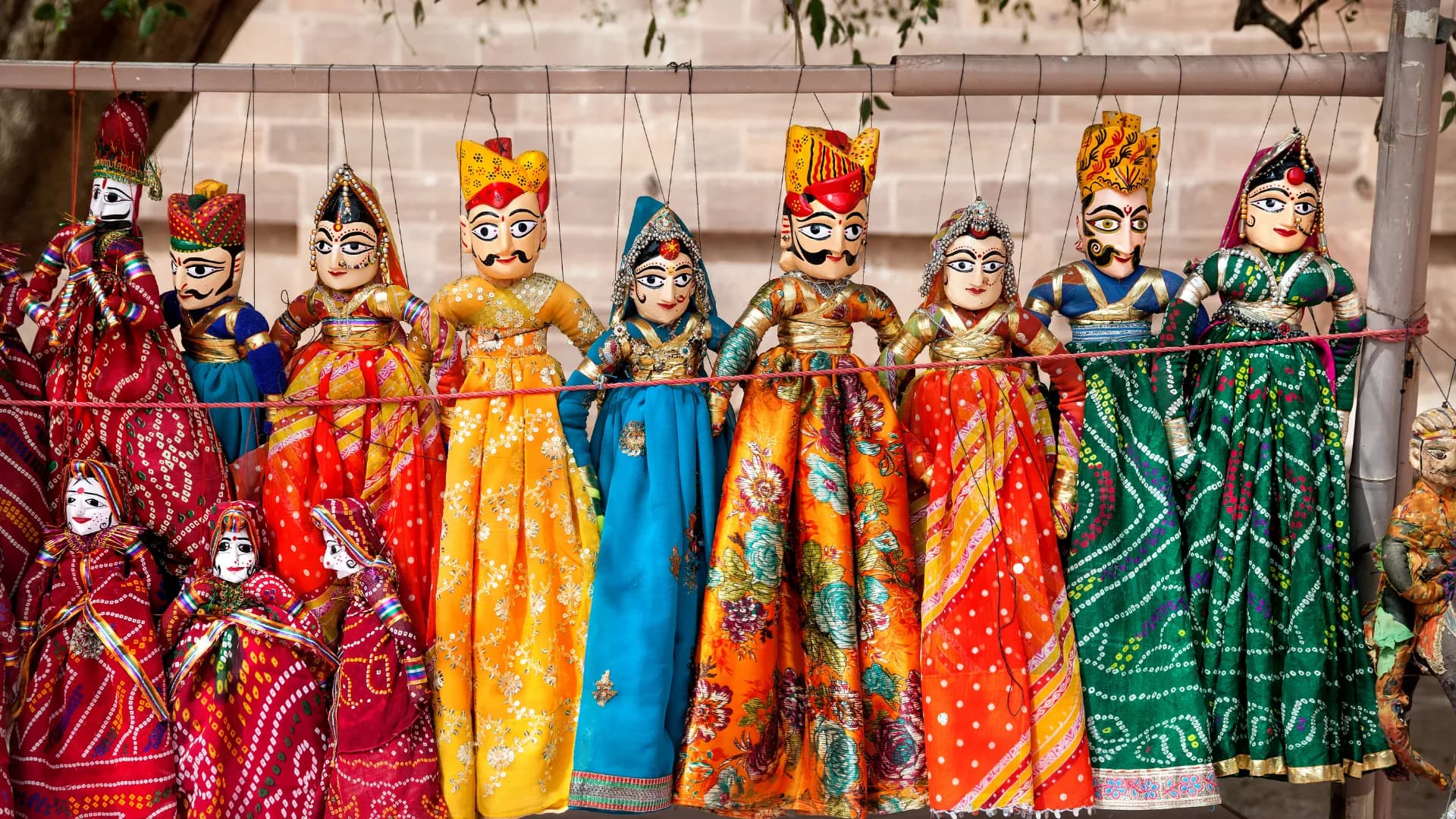
Carved wooden heads, painted eyes and bright fabric costumes. Rajasthan's string puppets come as kings, dancers and snake charmers, and they pack flat enough to fit in a suitcase.
 Textiles · Old-city lanes
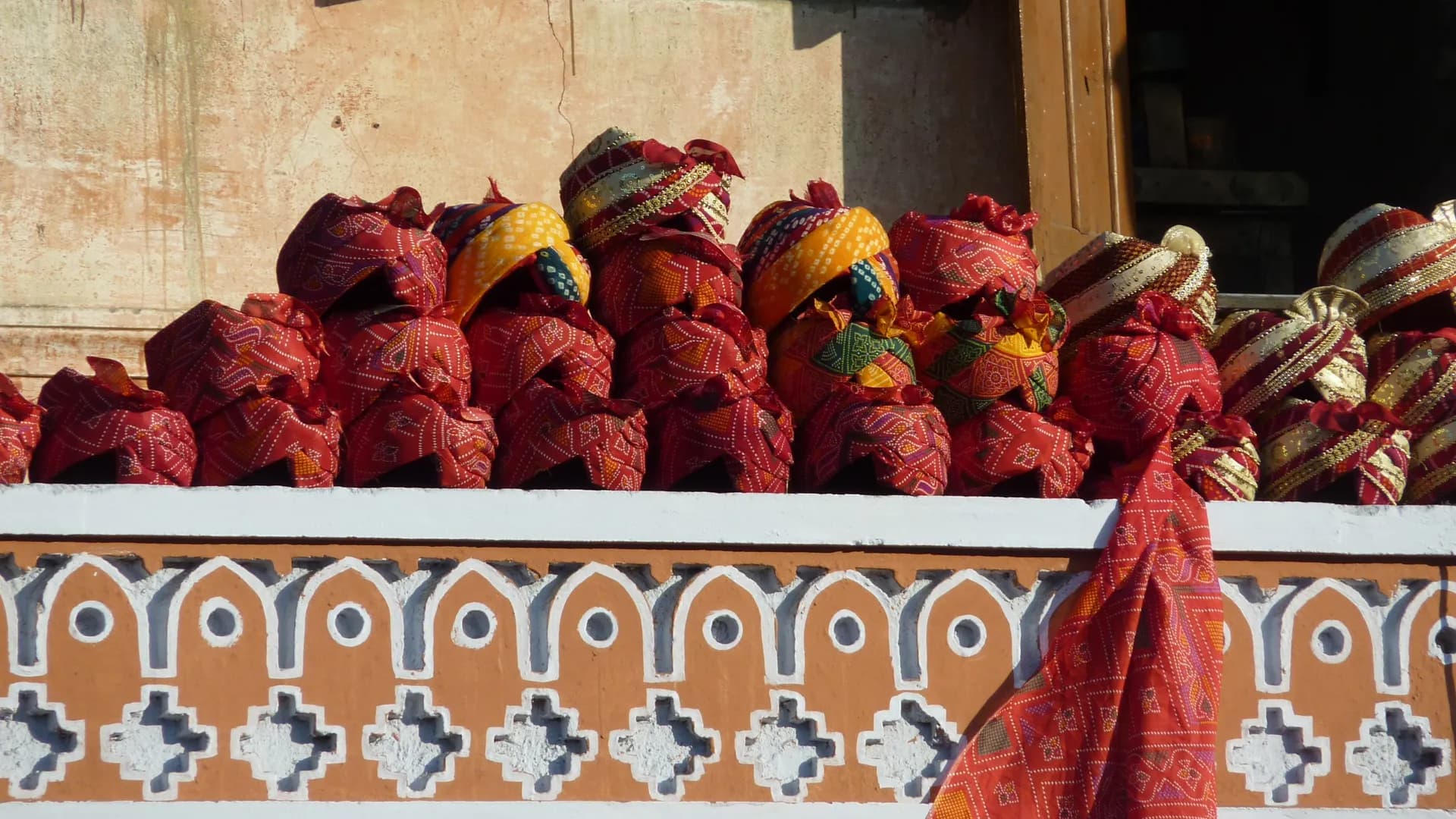
Bandhani is cloth pinched and tied into tiny dots before dyeing; leheriya gives diagonal waves and turns up everywhere in the monsoon. Look for slight irregularities: they mean hands did the work.
Clay · Molela villageClay plaques of deities and village scenes, made in Molela village near Nathdwara. They're sturdier than they look and make a striking wall piece back home.
Metalwork · BazaarsKoftgari inlays fine gold or silver wire into steel, a craft that once decorated Rajput weapons. Udaipur's silversmiths also turn out chunky tribal-style jewellery worth a careful look.
From a government emporium to a painter's two-metre studio, here's where Udaipur shopping gets interesting.
The lanes around Jagdish Temple and the City Palace are lined with painting studios. Many artists will happily demonstrate.
Textiles, puppets, mojaris and silver in a tangle of lanes. Wander, compare and don't buy at the first shop.
The state government emporium. Fixed prices and a broad range, handy for gauging quality before you hit the bazaars.
Udaipur sits in marble country. Look for carved coasters, boxes and small idols, and check weight before you plan the flight home.
Wooden blocks stamped by hand onto cotton. Bedcovers, scarves and table linen are easy, practical buys.
Every December, usually starting around the 21st, Shilpgram turns into a giant open-air fair. Artisans set up stalls under the trees, potters work at their wheels, and folk performers keep the crowd moving between them for ten days.
It's the single best chance to compare crafts side by side and buy directly from the people who made them. Go on a weekday afternoon to avoid the biggest crowds, carry cash for smaller stalls, and check this year's dates before you book.
A relaxed plan that mixes looking, learning, making and a little shopping, without dragging you through a single tourist trap on purpose.
Morning
Studios open mid-morning. Pick one where someone is actually painting, sit down and ask how long a single panel takes. The answer usually surprises people.
Late morning
Spend a couple of hours learning the basics of miniature painting or block printing. You'll leave with a wobbly first piece and real respect for the craft.
Afternoon
Head a few km west to the crafts village. Walk through the traditional huts, watch any artisans at work and pick up pieces with a clear story behind them.
Evening
Return to town for textiles, puppets and silver as the bazaar lights come on. Compare prices across a few shops before you commit.
Night
Roll paintings rather than folding them, wrap terracotta in clothes, and keep receipts for anything valuable. Future you will be grateful at the airport.
Buy from the makers when you can. Studios, Shilpgram stalls and craft fairs put more of your money in the artisan's hand.
Ask about the process. Real artists love explaining their pigments, brushes and dyes; vague answers are a hint.
Learn handmade from printed. Hand-painted work has tiny variations and texture; screen prints look perfectly flat and repeat exactly.
Bargain, but fairly. A friendly back-and-forth is normal in bazaars; squeezing an artisan to the last rupee isn't.
For silver and pricier pieces, ask for a written bill and details of the material. Reputable sellers won't mind.
If shipping home, confirm packing, tracking and timelines in writing before you pay.

New places, festival dates, food finds and the odd local secret. One friendly email when there's something worth telling you, never spam.
Udaipur is best known for Mewar miniature painting and Pichwai from nearby Nathdwara. Kathputli puppets, bandhani and leheriya textiles, Molela terracotta, koftgari metalwork, silver jewellery and marble carving are also easy to find.
Popular picks are miniature paintings, small Pichwai pieces, kathputli puppets, bandhani dupattas, block-printed linen, silver jewellery and mojaris. Puppets and textiles pack easily; for paintings, ask the seller to roll them in a tube.
For handicrafts, start with the studios around Jagdish Temple and the City Palace, then try Bada Bazaar and Hathi Pol for textiles and puppets. Rajasthali, the government emporium, is useful for fixed prices, and Shilpgram is great for buying directly from artisans.
Pichwai paintings are large works on cloth, traditionally hung behind the deity at the Shrinathji temple in Nathdwara, and they centre on Krishna. Miniatures are small, highly detailed paintings, usually on paper, covering court life, hunts, romance and myth.
Yes. Several old-city studios offer short sessions in miniature painting, and block printing or puppet-making workshops can also be arranged. Ask the studio about duration and what's included, or contact us and we'll help you find one that suits you.
Shilpgram Utsav runs for ten days every December, usually starting around 21 December. Artisans and folk performers from across western India gather at the Shilpgram crafts village just west of the city. Check the exact dates each year before you plan.
Look closely, ideally with your phone's zoom. Hand-painted work shows brush texture, slight variations in line and colour, and layered paint. Prints look flat with a dot pattern up close, and the same design appears identical in every shop.
In bazaars and many small shops, polite bargaining is normal. Government emporiums like Rajasthali have fixed prices. With artisans selling their own work, remember that hours of skill go into each piece and keep the haggling fair.
Tell us which crafts excite you and we'll help you build a trip around studios, workshops and markets. Your suitcase has been warned.