Sit on the steps of Gangaur Ghat as the light goes gold, and sooner or later someone will tell you about the Natini. A boatman, a chai seller, a grandmother with her evening prayers done. The details shift with every teller, but the shape of the story never changes: a woman on a rope, a king's promise, and a lake that swallowed both.
This is folklore, not a court record. That's exactly why it has lasted. Here is the legend as Udaipur tells it, what history can and can't confirm, and where you can sit with the story yourself.
Who was the Natini?
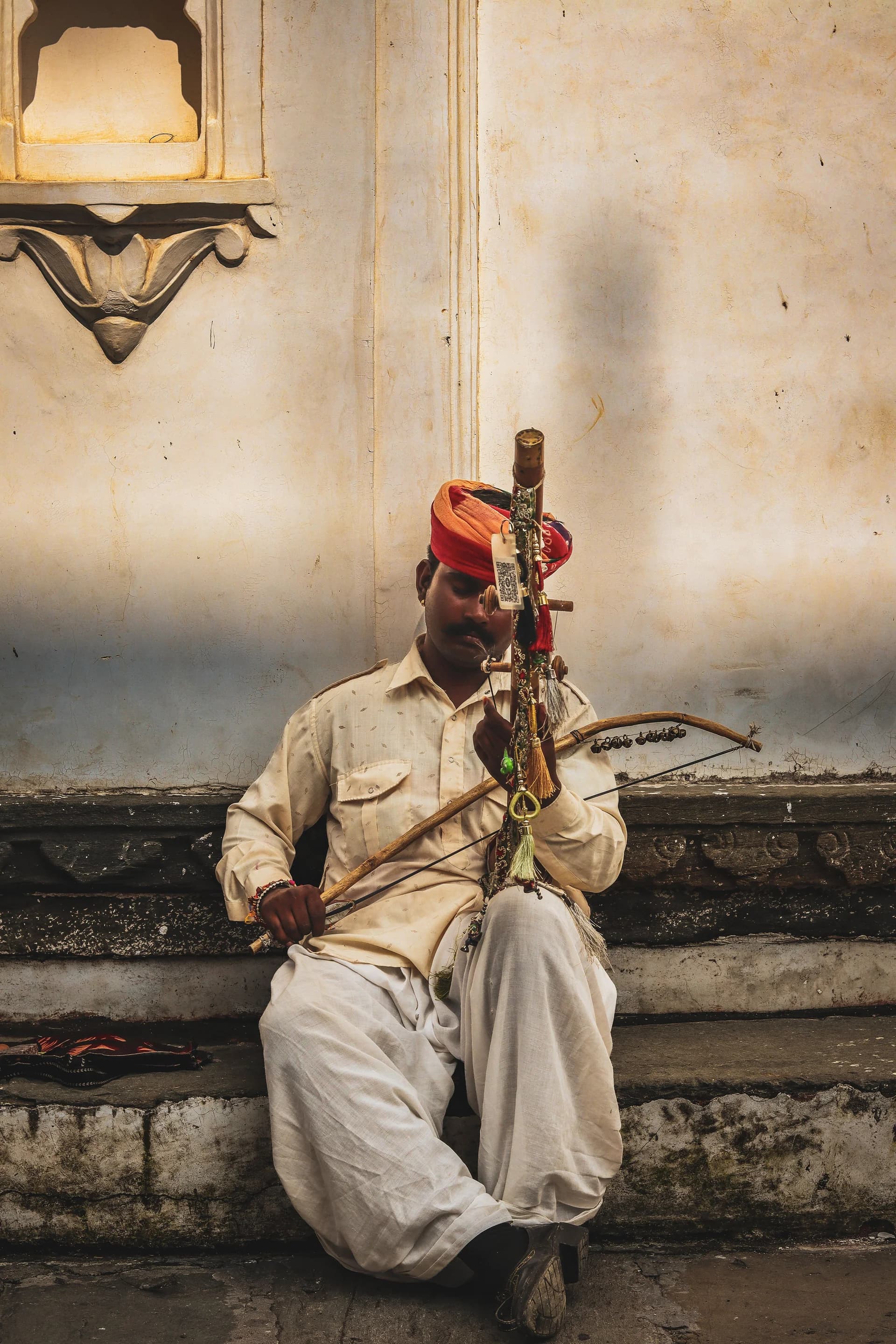
"Natini" simply means a woman of the Nat community, the travelling acrobats and rope walkers who once performed at village fairs and royal courts across Rajasthan. Their shows were pure nerve: a rope strung between two poles, a long balancing stick, a drummer keeping time below, and no net.
According to the story, one Natini was so skilled that her fame reached the palace on the banks of Lake Pichola. Most tellings place her in the reign of Maharana Jawan Singh, who ruled Mewar in the first half of the nineteenth century. Some versions keep the king nameless. Nobody in the story ever gives the Natini a name of her own, which tells you something about who usually gets remembered.
The wager over Lake Pichola
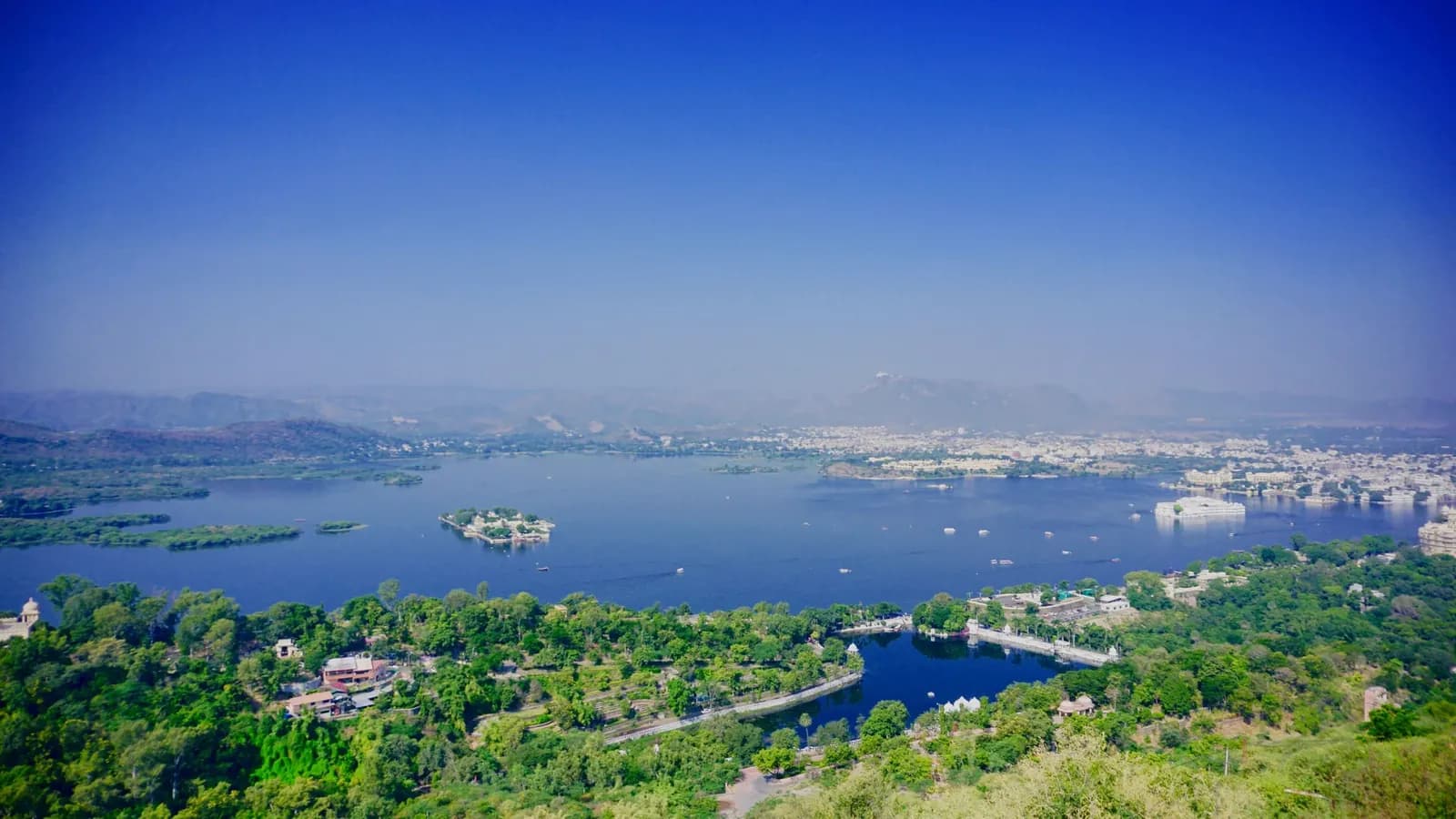
As the legend goes, the Maharana watched her perform and, half in admiration and half in jest, made her an offer: walk a rope stretched across Lake Pichola, from one shore to the other, and half the kingdom would be hers.
She accepted. A rope was tied across the water. Crowds packed the ghats and rooftops, and the royal household watched from the palace windows. Step by careful step, the Natini moved out over the lake, the water dark beneath her, the balancing pole tipping left, then right.
She had almost made it. Only a few steps remained.
The rope goes slack
Then the rope was cut, or loosened, depending on who is telling it. In most versions it happens on the orders of a courtier who could not bear to see half of Mewar handed to a street performer. In darker versions, the order comes from the throne itself. Either way, the Natini fell into Lake Pichola and drowned.
The curse
Before the water closed over her, the story says, she cursed the royal line: no ruler of Mewar would ever again have a son of his own to inherit the throne. It's a chilling, very human curse. Not plague or fire, just an empty cradle.

Legend or history?
Here's where an honest local friend has to step in. The tightrope walk, the wager and the curse are not documented events; they belong to oral tradition. What the legend does is latch onto a real pattern. In the nineteenth century, several Maharanas of Mewar either had no son to succeed them or passed the throne to an adopted heir or a relative from a collateral branch of the family.
Adoption was a normal, accepted way to continue a Rajput royal line, and it happened in many princely states. Historians would point to ordinary causes: early deaths, illness, politics. But a run of heirless reigns is exactly the kind of thing a city turns into a story, and the Natini became the explanation people reached for.
Good to know: You'll hear different versions of this tale, with different kings, villains and endings. None of them is "wrong". That's how oral history works, and it's half the fun of asking around.
Why the story still matters
- It gives a voice to someone history forgot. Palace chronicles record kings and battles. The Natini story is remembered from the side of an ordinary performer who was cheated.
- It makes royalty human. A rash promise, wounded pride, a cover-up: the kings in this tale are flawed people, not marble statues.
- It shows how Udaipur thinks about its lake. Pichola is not just scenery here. It's a witness, and locals talk about it that way.
Where to feel the legend in Udaipur
You won't find a ticket counter for this one. The Natini lives in conversation, so go where conversations happen.
Gangaur Ghat at dusk
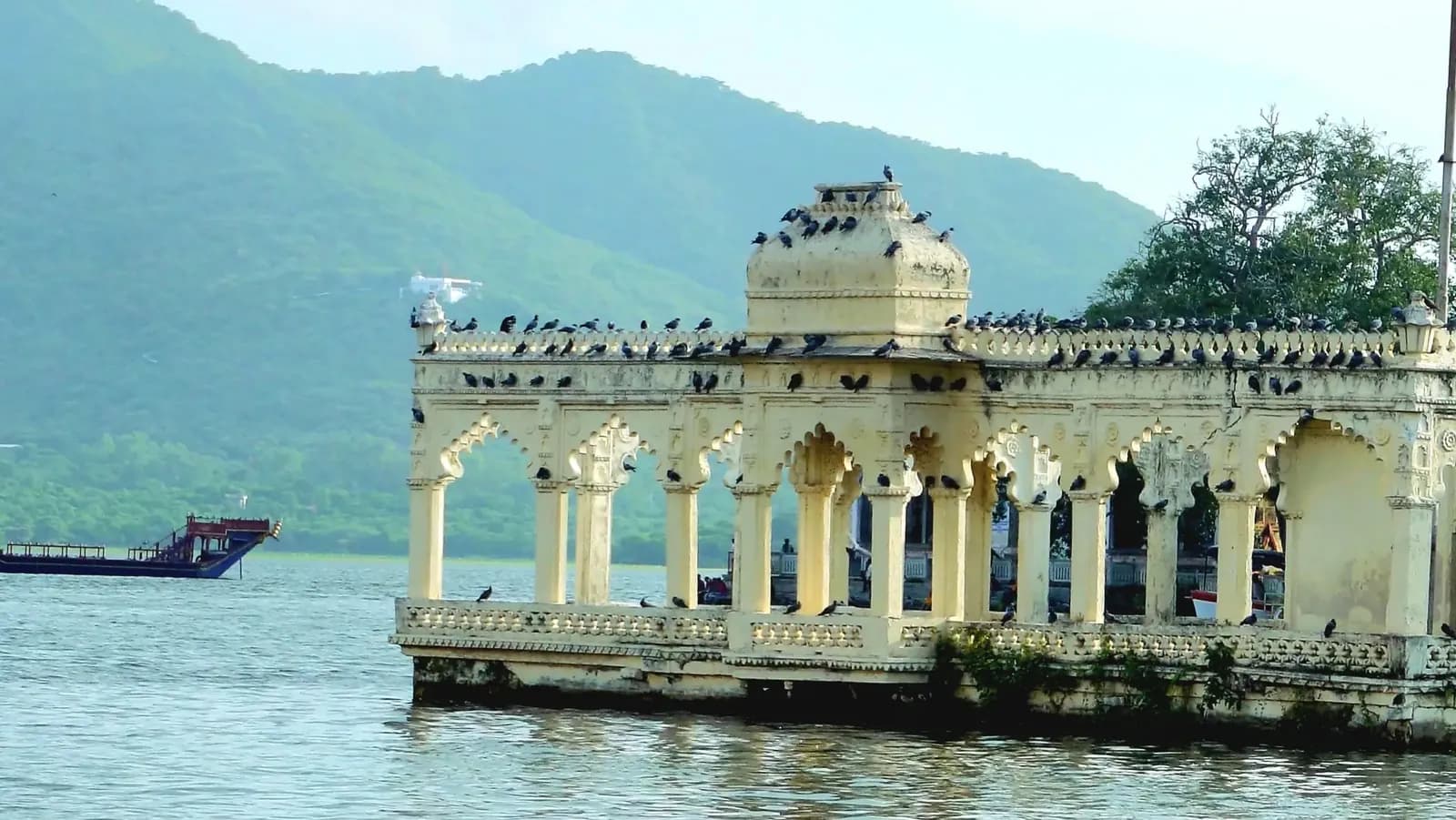
Sit on the steps, watch the pigeons settle, and look across the water. It's easy to imagine a rope stretched over it and a figure inching forward. If you're staying for the evening, the Dharohar folk dance show at Bagore ki Haveli is right next door, and it has its own acrobatic balancing act that will make you think of her.
A boat ride on Lake Pichola
Boats leave from the City Palace jetty and the Lal Ghat area. Ask your boatman if he knows the Natini story. Many do, and every version is slightly different.
Old city rooftops
Around Lal Ghat and Gangaur Ghat, rooftop restaurants look straight down onto the lake. Order a chai, ask your host, and let the story come to you.
Local tip: Older residents tell this story best. Be curious, not pushy, and remember it touches a family that still lives in the city, so keep the tone respectful.
If legends like this are your thing, read our untold stories of Udaipur for history lovers next, or browse more of the city's living culture and traditions.
Quick answers
Is the Natini's curse a true story?
It's a folk legend. There is no reliable record of the tightrope walk, but the story connects to a real pattern of adopted heirs in nineteenth-century Mewar.
Which Maharana is linked to the Natini legend?
Most versions name Maharana Jawan Singh, who ruled in the early nineteenth century, though some tellings leave the king unnamed or blame a courtier.
Where did the Natini legend happen?
The story is set on Lake Pichola in Udaipur's old city. Gangaur Ghat and a Pichola boat ride are the best places to hear it retold.