In Udaipur, you don't have to look hard for Maharana Pratap. He's on statues at road junctions, on the name of the airport, and on the lips of every grandparent telling a child to stand up straight. To understand why a sixteenth-century king still feels so present here, you need his story, and a couple of places to stand where it happened.
Who was Maharana Pratap?
Pratap Singh was the son of Maharana Udai Singh II, the founder of Udaipur. He is widely said to have been born at Kumbhalgarh in 1540 and became ruler of Mewar in 1572, just a few years after Chittorgarh had fallen to Akbar.
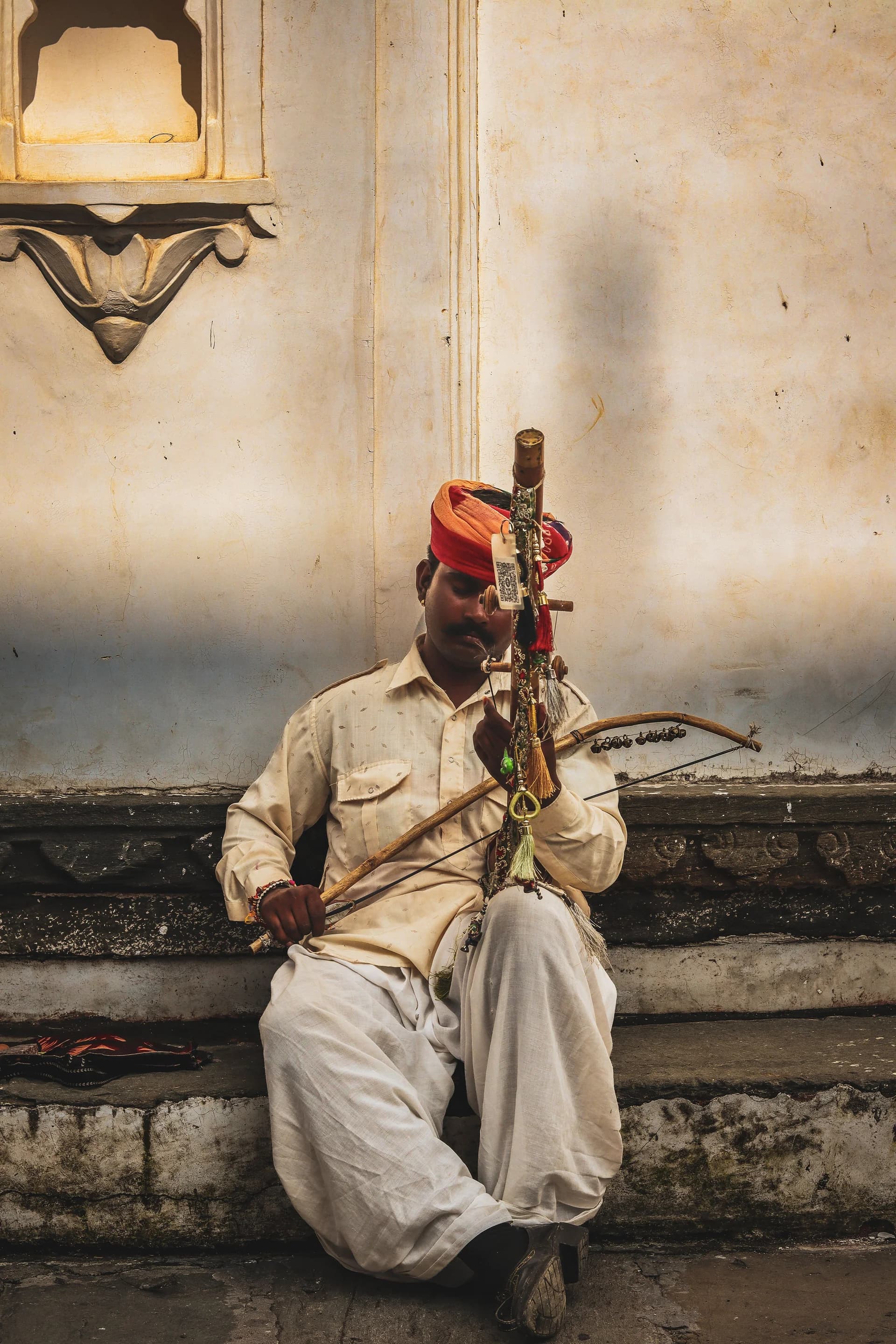
Many Rajput rulers of the time made alliances with the Mughal empire. Pratap refused to submit. He spent much of his life fighting to hold on to Mewar, often from the hills and forests of the Aravallis, with Bhil archers from the local hill communities among his most loyal allies. That refusal, more than any single victory, is what Mewar remembers.
Haldighati, 1576
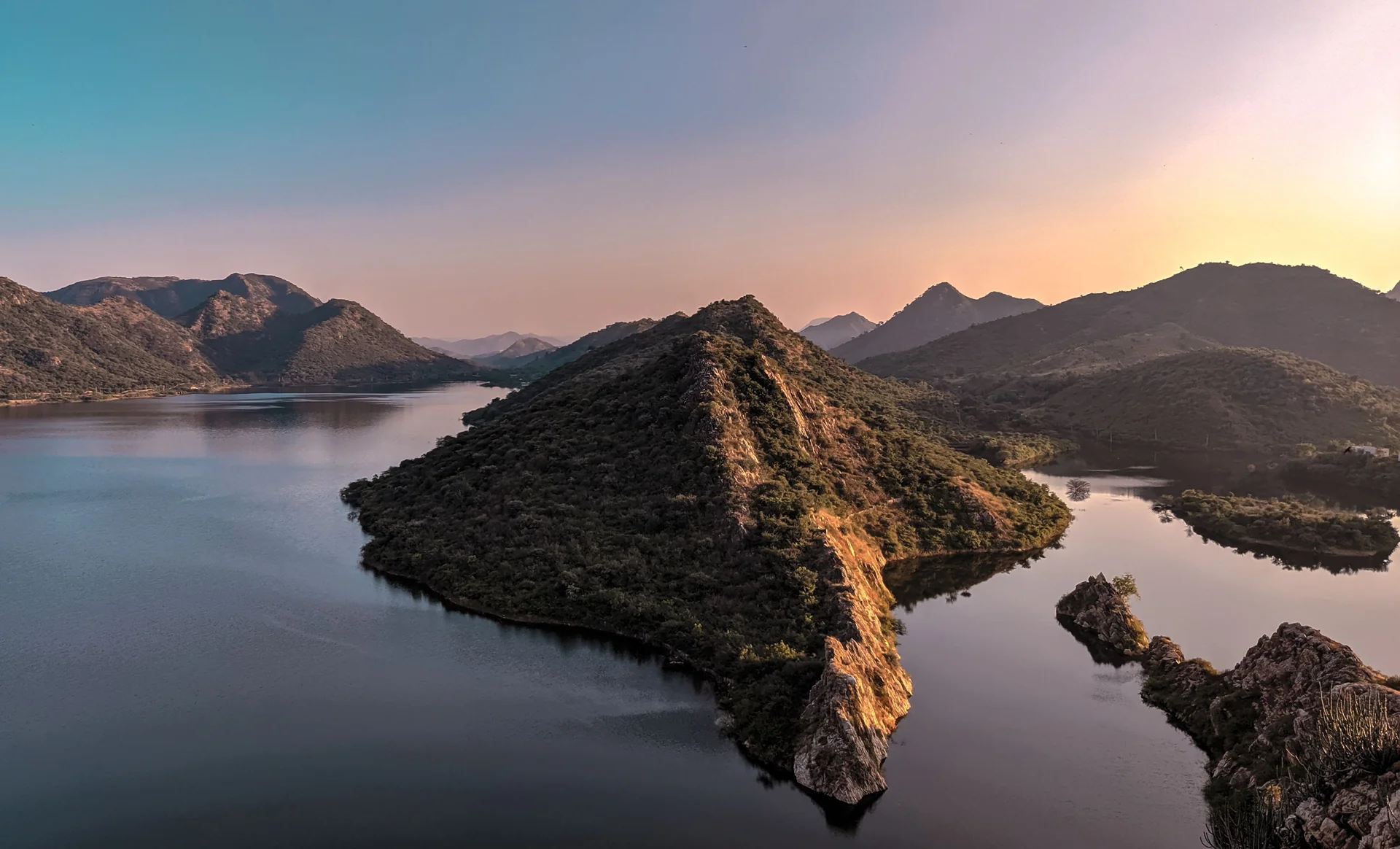
In 1576, Pratap's forces met a Mughal army led by Raja Man Singh of Amber at Haldighati, a narrow pass in the Aravallis around 40 km from Udaipur. The name comes from the yellow, turmeric-coloured soil of the area ("haldi" means turmeric).
Pratap's army was smaller. The fighting was fierce, and the battle did not end with Mewar's victory, but Pratap survived and escaped to keep up the struggle. Historians still debate the details. For Mewar, though, Haldighati became a symbol of courage against the odds rather than a defeat.
Good to know: You'll hear dramatic versions of Haldighati from guides and in folk songs. Enjoy them as part of the culture, and keep in mind that the exact numbers and events of the battle are debated by historians.
Chetak, the horse that became a legend
No Pratap story is complete without Chetak, his horse. According to the popular account, Chetak was badly wounded at Haldighati but carried Pratap clear of the battlefield, leaping a stream before collapsing. He died soon after.
Whether every detail is exact matters less here than what it means: loyalty to the very end. Chetak has his own memorial near Haldighati, and the city's busy Chetak Circle carries his name.
After the battle
Pratap kept fighting for years. Over time he recovered much of the territory of Mewar, though Chittorgarh itself stayed out of reach. He died in 1597. His son Amar Singh continued the struggle after him.
What to see in Udaipur
Moti Magri memorial
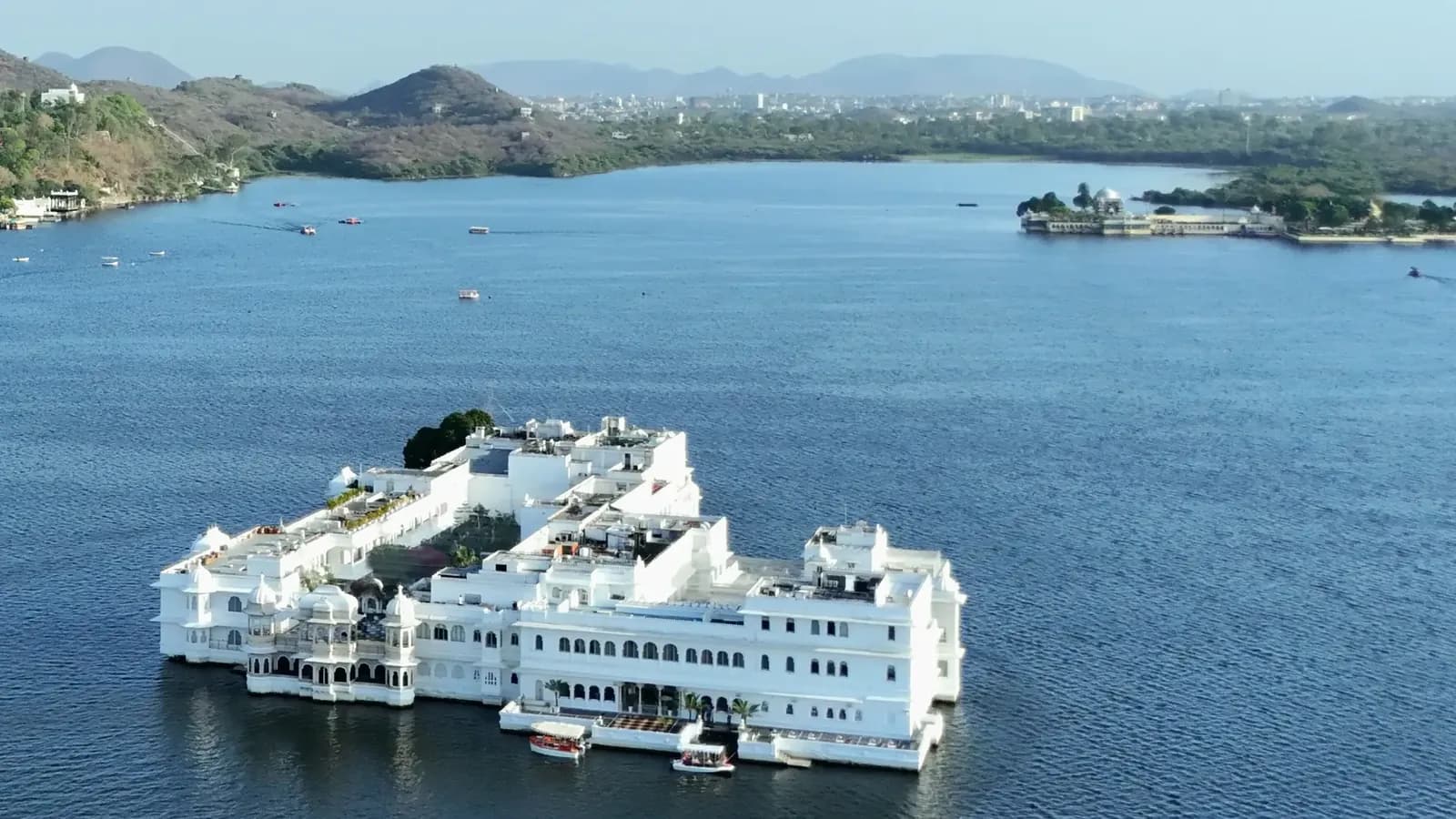
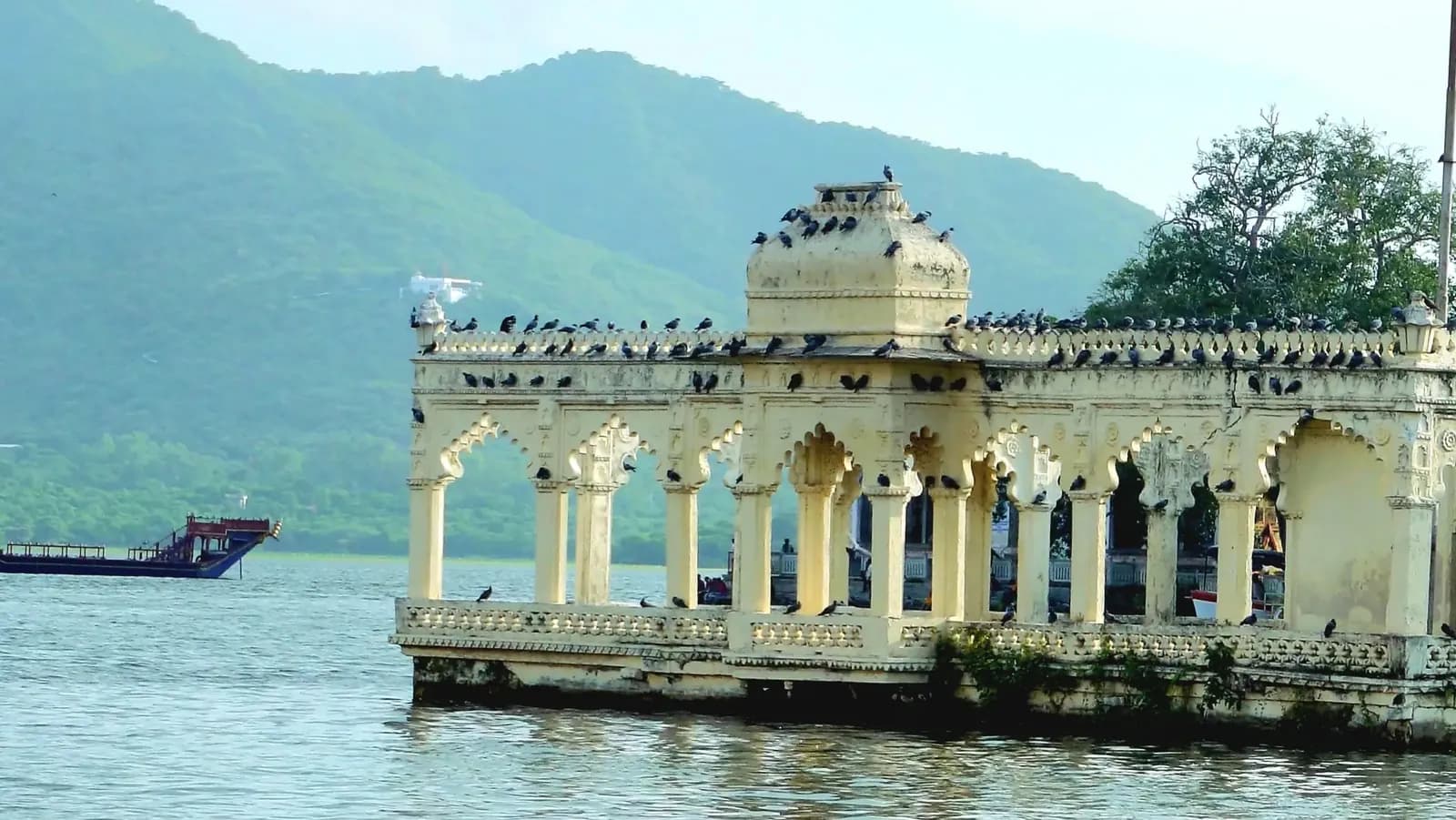
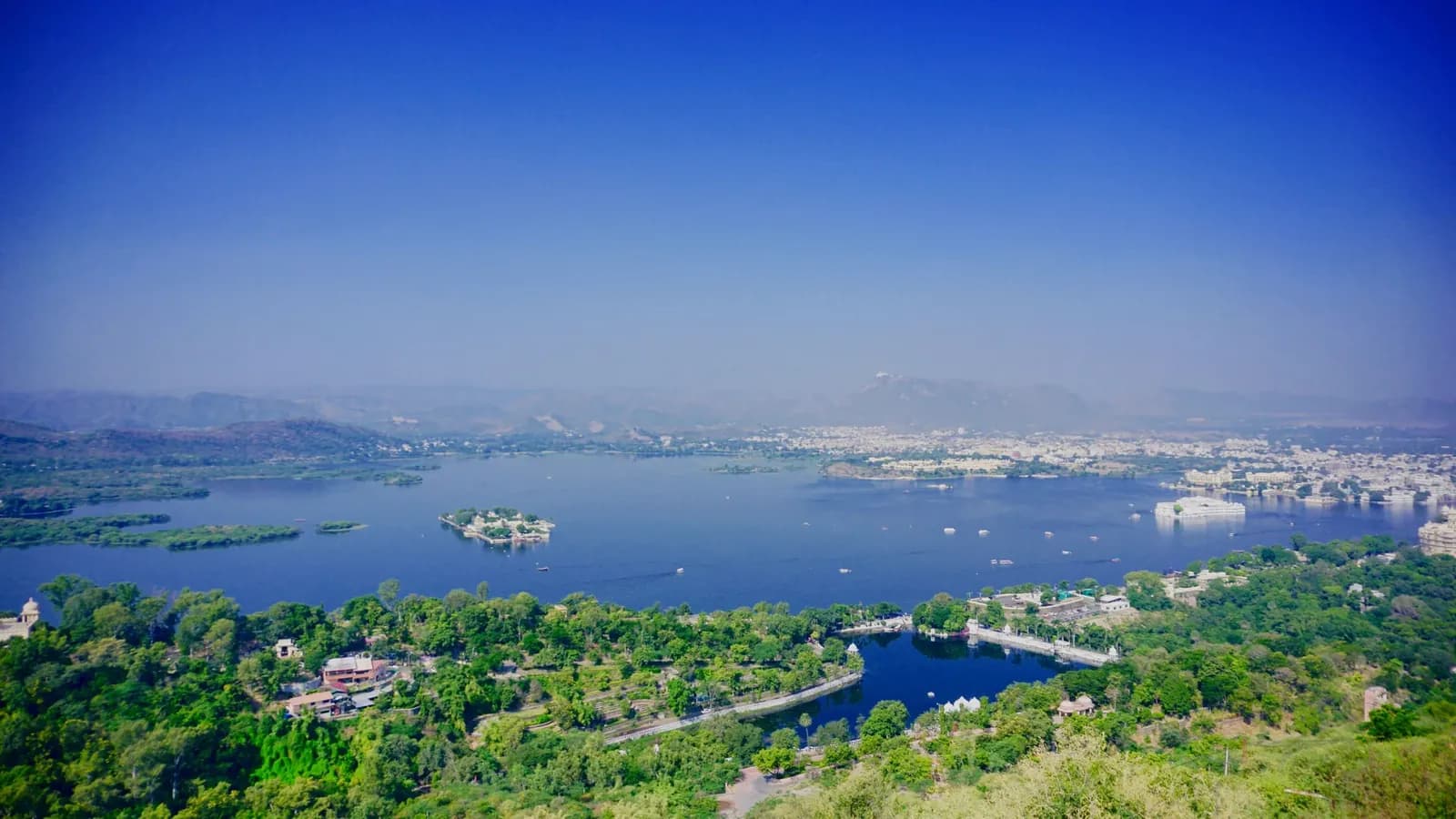
This is the easiest stop. Moti Magri is the hill above Fateh Sagar Lake, and at the top stands a statue of Maharana Pratap riding Chetak. Around it are gardens and displays about Mewar's history. Go in the morning when it's cooler, and take a minute at the edge for the view over Fateh Sagar.
Local tip: Pair Moti Magri with a slow walk or snack stop along Fateh Sagar's lakeside promenade on Rani Road. Some evenings there may be a light and sound programme at the memorial; ask locally and check timings before you go.
City Palace
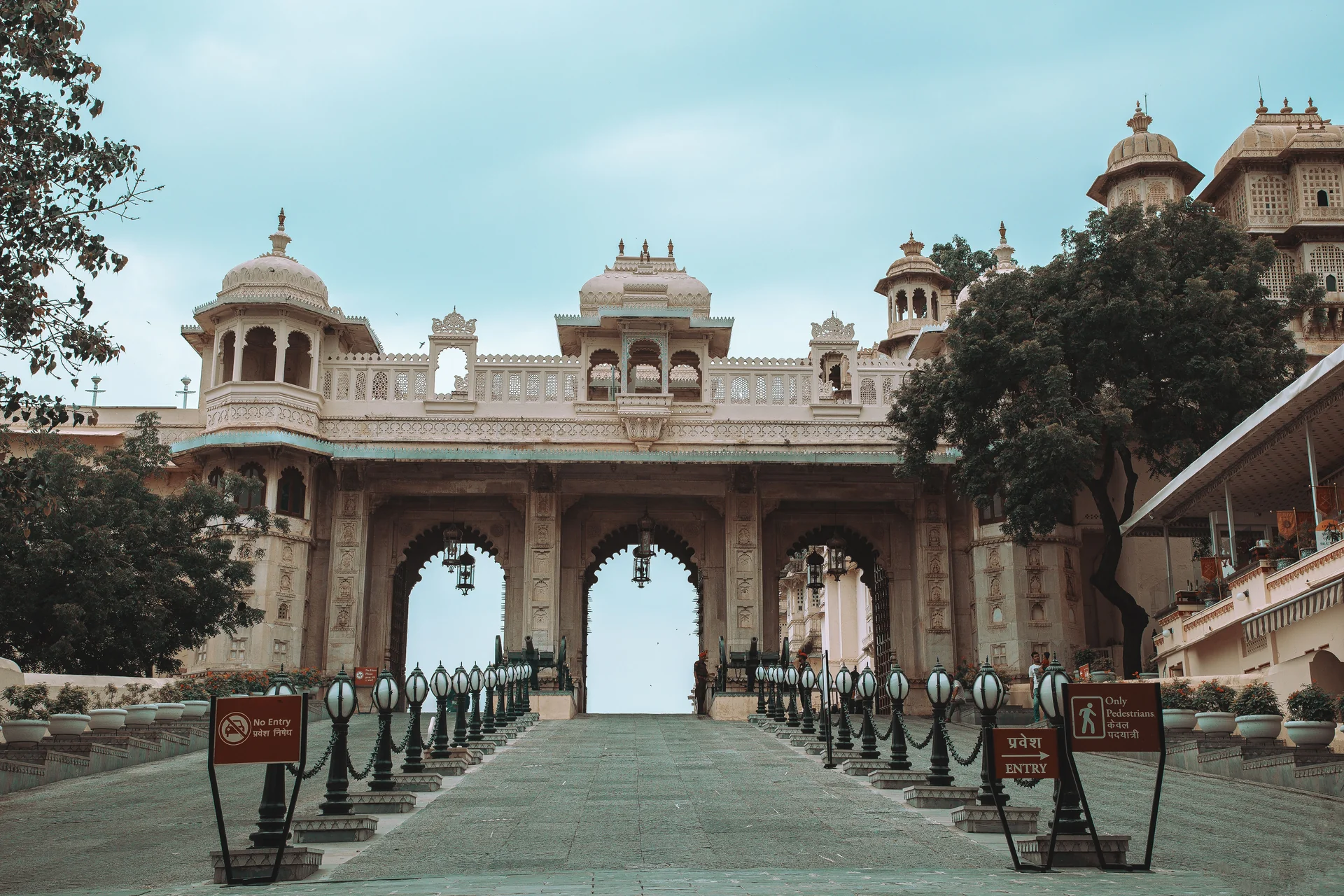
The City Palace museum holds objects and paintings linked to Mewar's rulers, including Pratap's era. Allow two to three hours and check current timings at the counter.
A half-day trip to Haldighati
Haldighati is about 40 km from the city and makes a good half-day outing, or part of a longer day with Nathdwara (around 48 km) or Kumbhalgarh Fort (around 85 km). In the area you'll find:
- The pass itself, where the yellow soil shows how the place got its name.
- Chetak's memorial, a small chhatri marking the spot linked to the horse.
- A museum near the pass with displays and models on Pratap's life.
- Rakt Talai, the area traditionally linked with some of the heaviest fighting.
Go early, carry water, and don't expect grand monuments. Haldighati is about standing in the landscape and imagining. Our trip planner can help you fit it into your days, or ask travel assistance to connect you with a trusted local driver.
Why Pratap still matters in Mewar
Pratap is less a figure of the past than a measure people use. Self-respect, loyalty and refusing to give up are the values Mewar likes to see in itself, and he is their face. You'll hear him in folk songs, spot him in paintings in the city's art and craft shops, and see him celebrated on Maharana Pratap Jayanti each year. For more of the city's past, follow our Udaipur history trail.
Quick answers
When was the Battle of Haldighati?
In 1576, between Maharana Pratap's forces and a Mughal army led by Raja Man Singh of Amber.
How far is Haldighati from Udaipur?
About 40 km, which makes it an easy half-day trip by road.
Where is the Maharana Pratap statue in Udaipur?
On Moti Magri, the hill above Fateh Sagar Lake, where he is shown riding his horse Chetak.