Climb any hill around Udaipur and the first thing you notice isn't a palace. It's water, threaded between the Aravallis and the old city like someone spilled light across the valley. The lakes are the reason the city exists where it does, and the reason travellers keep calling it the Venice of the East.
This is the story-and-character guide to each lake. For jetties and sunset slots, jump to our boating guide.
Why a city built in the hills is full of lakes
Udaipur sits in dry, rocky country. When Maharana Udai Singh II founded the city in 1559, water was security. His successors kept building dams and reservoirs to survive drought and famine, and the result is a chain of man-made lakes that still supply, cool and define the city. Every lake here was built on purpose, and most of them have a ruler's name attached.
The city lakes
Lake Pichola
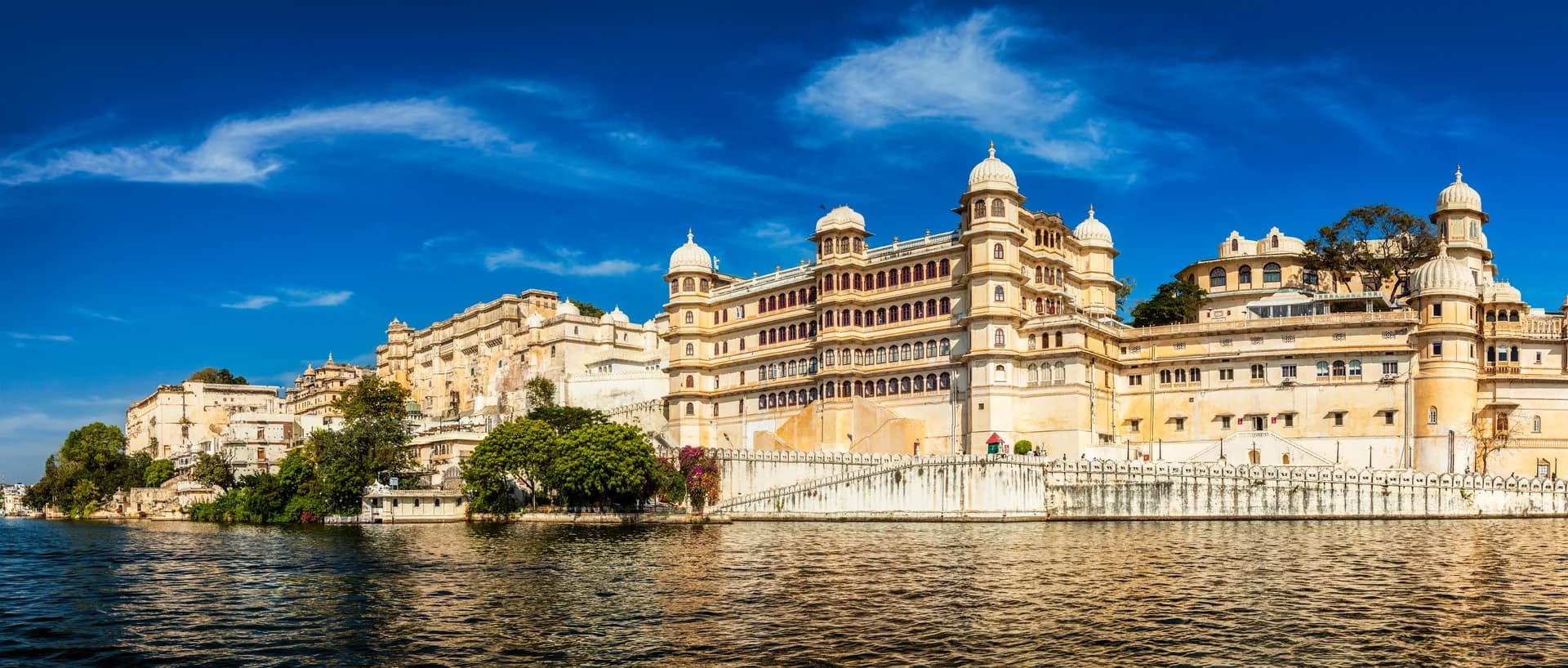
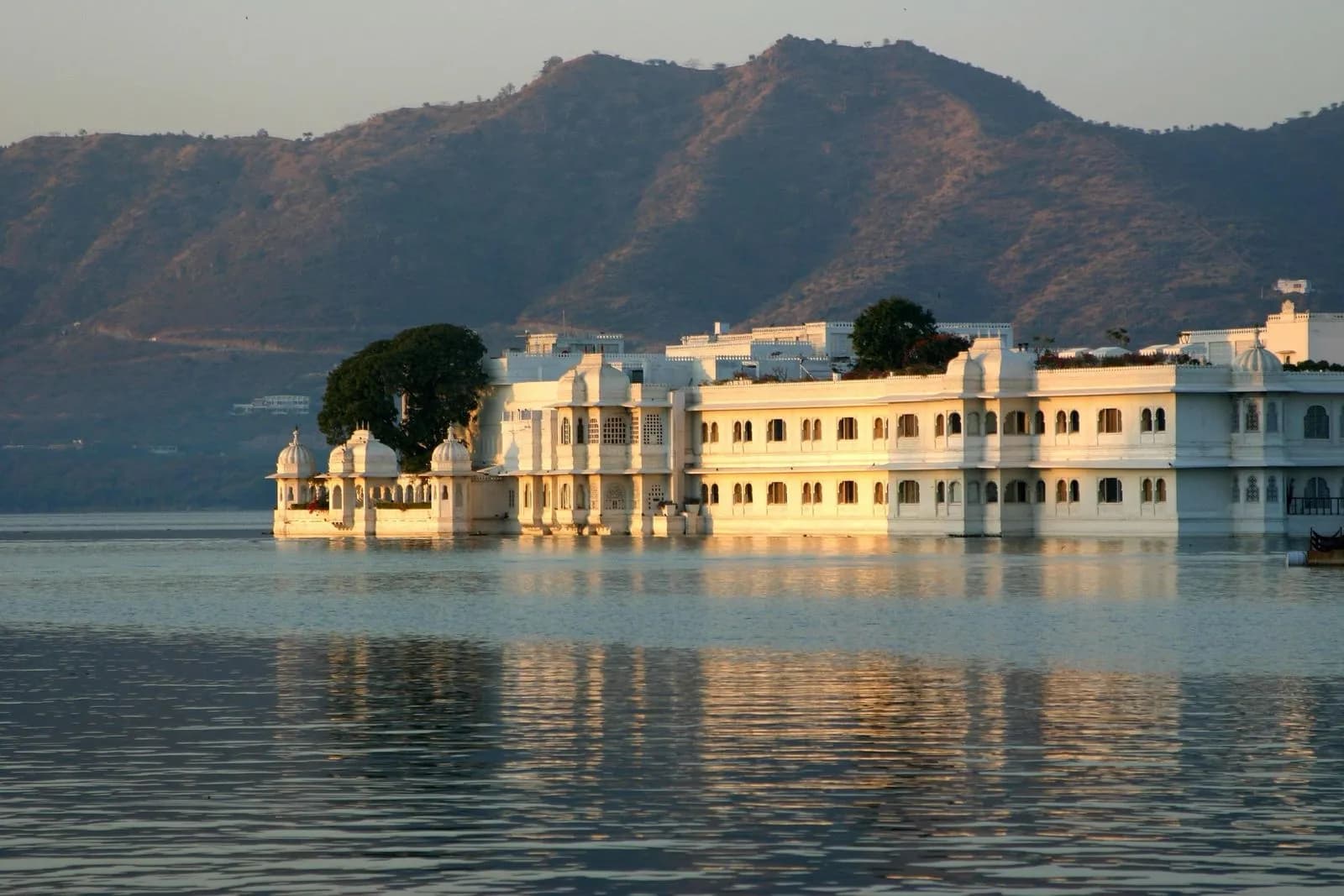
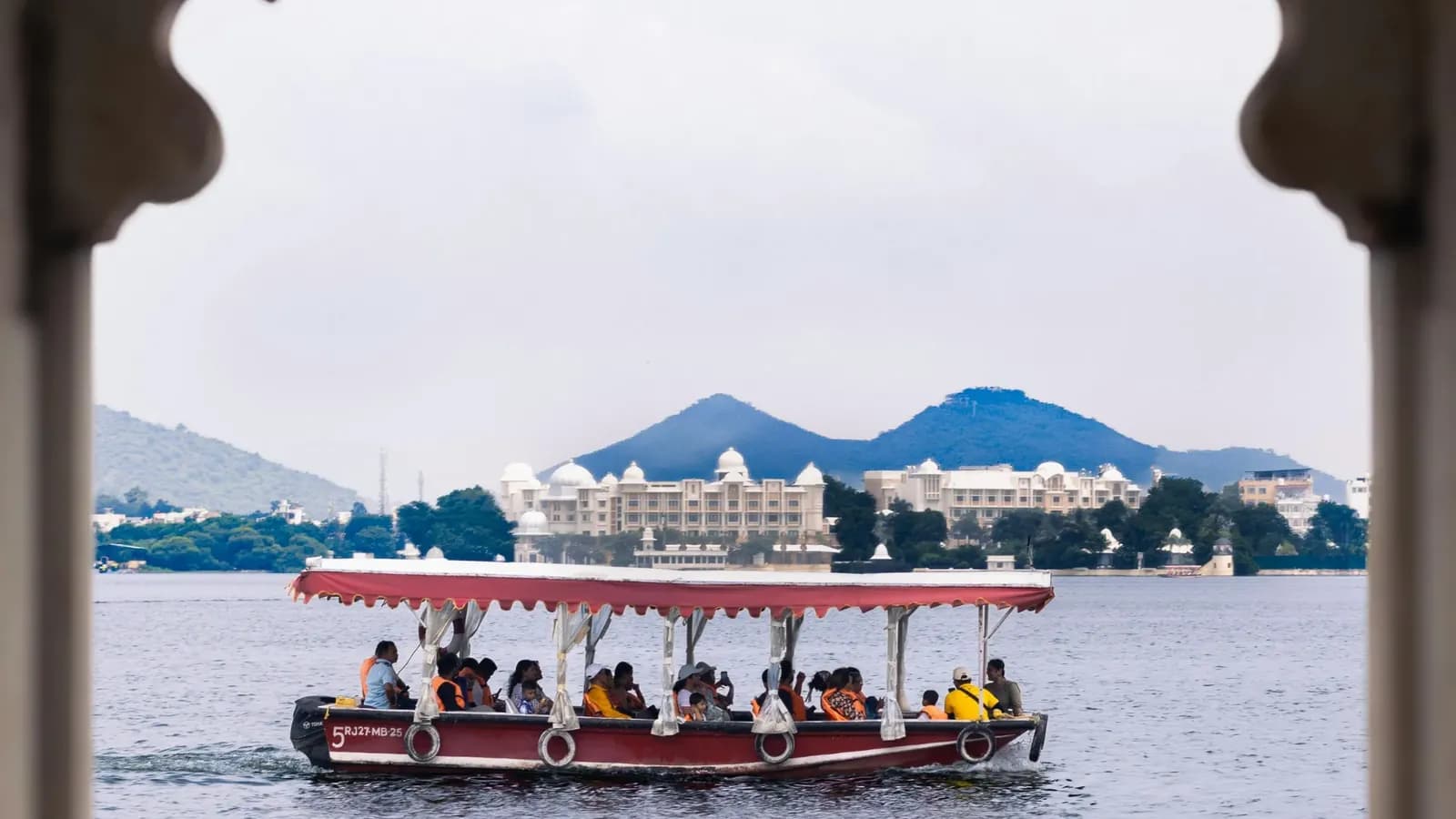
The oldest and most famous. Pichola was created in 1362, a work attributed to Pichhu Banjara, and later enlarged by Udai Singh II when he chose its shore for his capital. Two islands give it its fairy-tale look: Jag Niwas, home to the Lake Palace (built 1743 to 1746 and now the Taj Lake Palace hotel), and Jag Mandir. The ghats tell you what kind of evening you're in for: Gangaur Ghat for people-watching, Ambrai Ghat for the classic City Palace view, Lal Ghat and Hanuman Ghat for the quieter, guesthouse side of the old city.
Fateh Sagar Lake
North of Pichola, Fateh Sagar was first built in 1687 by Maharana Jai Singh and rebuilt by Maharana Fateh Singh in the late 1800s, which is where it gets its name. It's broader and breezier, with hills on three sides. One island holds Nehru Garden, another the Udaipur Solar Observatory. Rani Road along its bank is the city's evening promenade, full of chai, corn and families. Above it all stands Moti Magri with the Maharana Pratap memorial.
Udai Sagar
East of the city, Udai Sagar dates to the reign of Udai Singh II in the 16th century and was meant to secure the kingdom's water. Today it's quiet, ringed by hills, and lovely in the early morning when mist sits low on the surface and the only sound is birds.
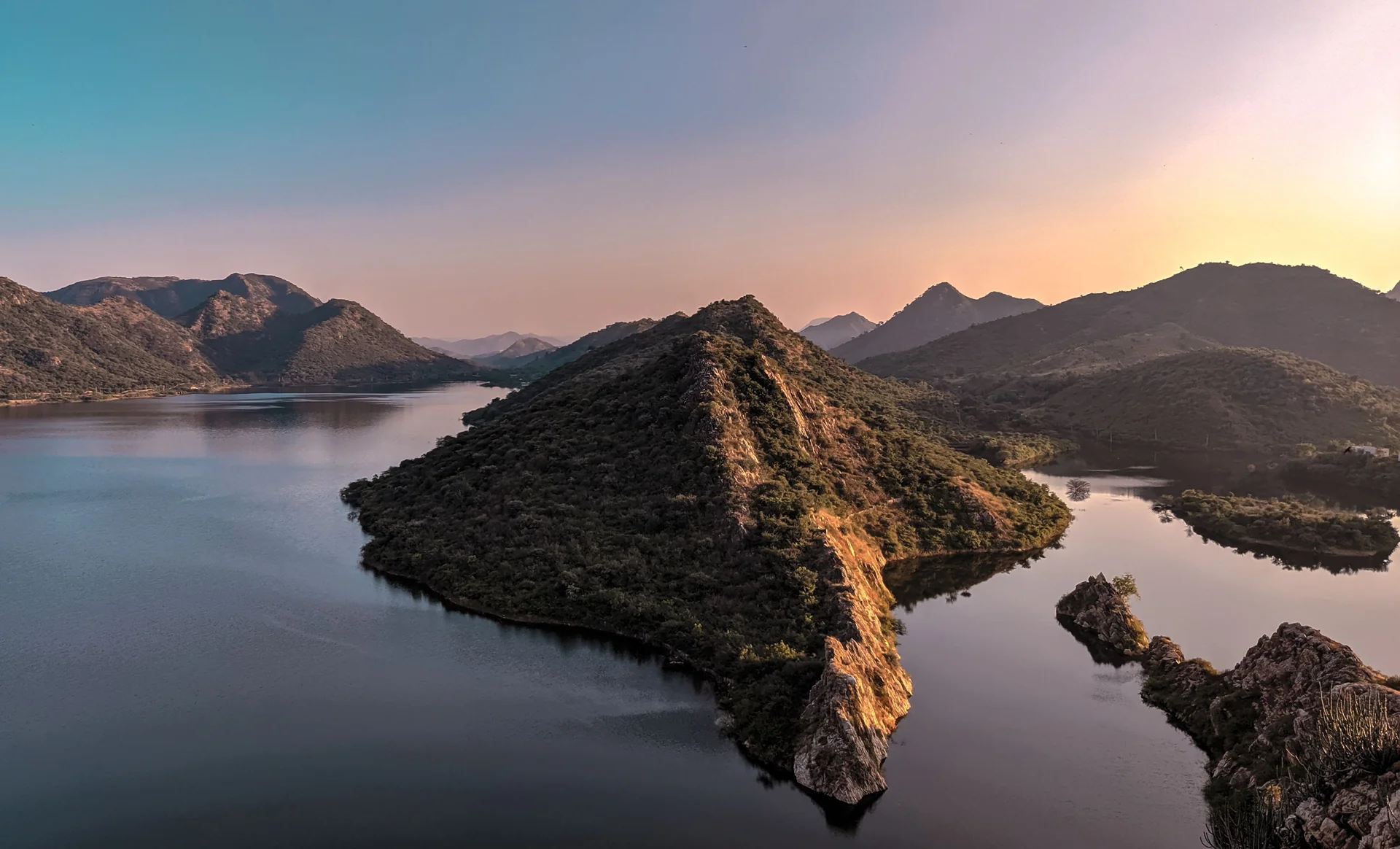
Lakes worth the short drive
Badi Lake (Jiyan Sagar)
About 12 km from the city, Badi Lake was built by Maharana Raj Singh in the 17th century to see local villages through a famine, and named Jiyan Sagar after his mother. Locals come here to escape the crowds. A stone walkway runs along the water, and nearby Bahubali Hill gives you a big view for a short climb.
Jaisamand Lake
Around 50 km away, Jaisamand (also called Dhebar) is one of the largest artificial lakes in India, built by Maharana Jai Singh to fight drought. Marble pavilions and chhatris line its dam, and the Jaisamand Wildlife Sanctuary next to it is good for birdwatching. Make a half-day of it.
Rajsamand Lake
North of Udaipur, Rajsamand was built in 1660 by Maharana Raj Singh. Its carved marble ghats and pavilions on the embankment are some of the finest stonework in Mewar. Pair it with Nathdwara on the same day.
So, is it really the Venice of the East?
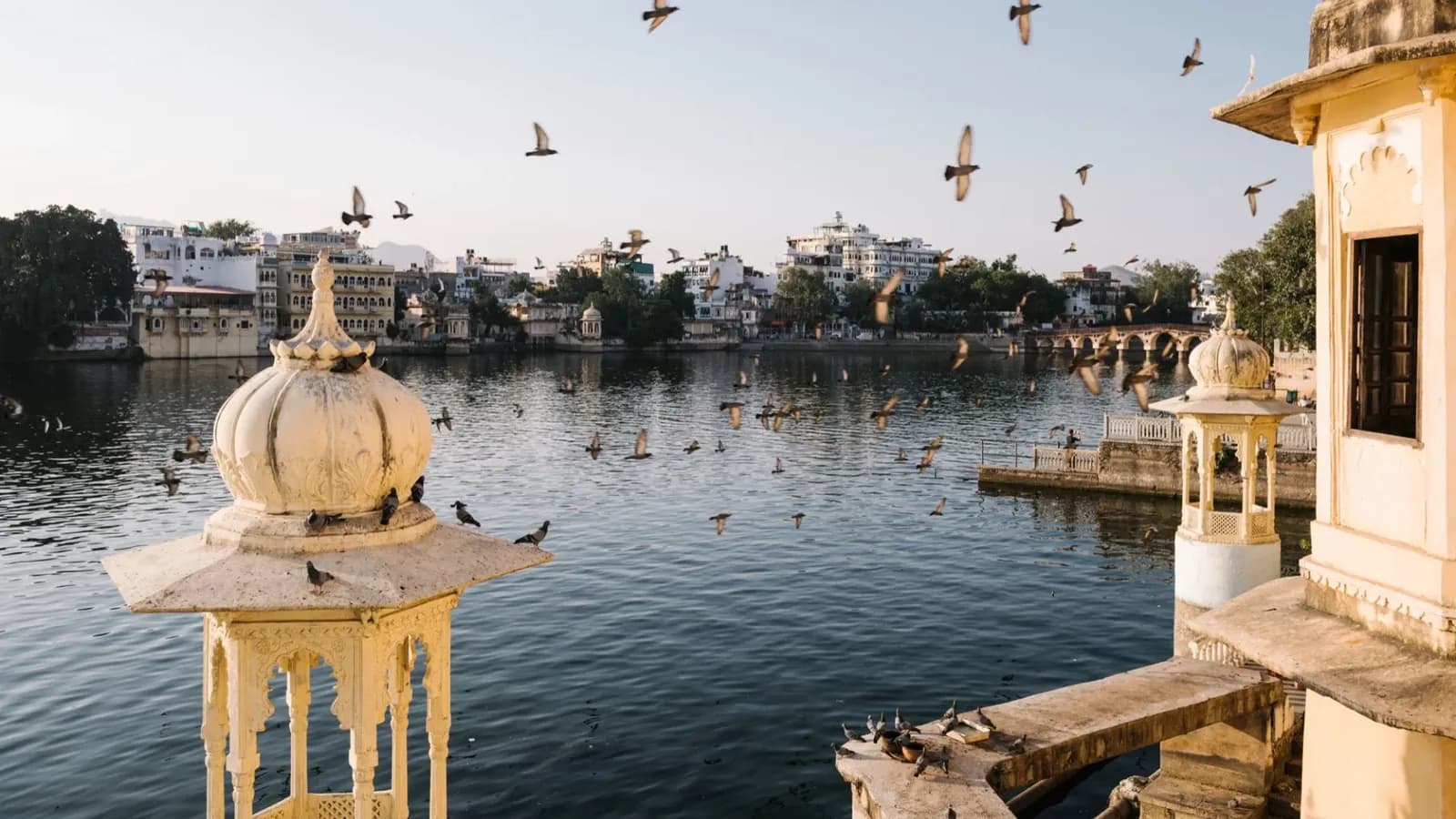
Not in the gondola sense. But walk the old city and you'll see why the name stuck. Chandpole bridge links two halves of the old city across Pichola, and in the evenings people lean on its railings with chai, watching pigeons wheel over the ghats. Daiji bridge, on the quieter side, is a photographer's favourite in the early-morning mist. Palaces, havelis and temples all face the water, and daily life still happens on the ghats: washing, praying, gossiping, swimming lessons for brave kids.
Udaipur adds things Venice can't: Rajput palaces on islands, the Aravallis as a backdrop, and a sunset that seems to be on a timer just for visitors. It's also why the city became one of India's favourite wedding destinations; see our weddings page if that's what brought you here.
When to see the lakes
- October to March: pleasant days, cool nights and clear skies. The easiest time for long lakeside walks.
- Monsoon: full lakes and green hills, but check that boat rides are running.
- April to June: hot, sometimes above 40 °C. Stick to mornings and evenings, and water levels can drop in dry years.
Please keep the lakes clean. They've kept this city alive for centuries. Plan your trip with us and we'll fit the right lake into the right day.
Quick answers
How many lakes are there in Udaipur?
The city has several interlinked lakes, with Pichola, Fateh Sagar, Udai Sagar, Swaroop Sagar and Doodh Talai the best known, plus Badi, Jaisamand and Rajsamand within driving distance.
Which is the most beautiful lake in Udaipur?
Lake Pichola, for the City Palace and island palaces. For open views and local life, Fateh Sagar is a close second.
Why is Udaipur called the Venice of the East?
Because the city is built around a chain of lakes, with palaces, ghats and bridges reflected in the water, much like Venice's canals.