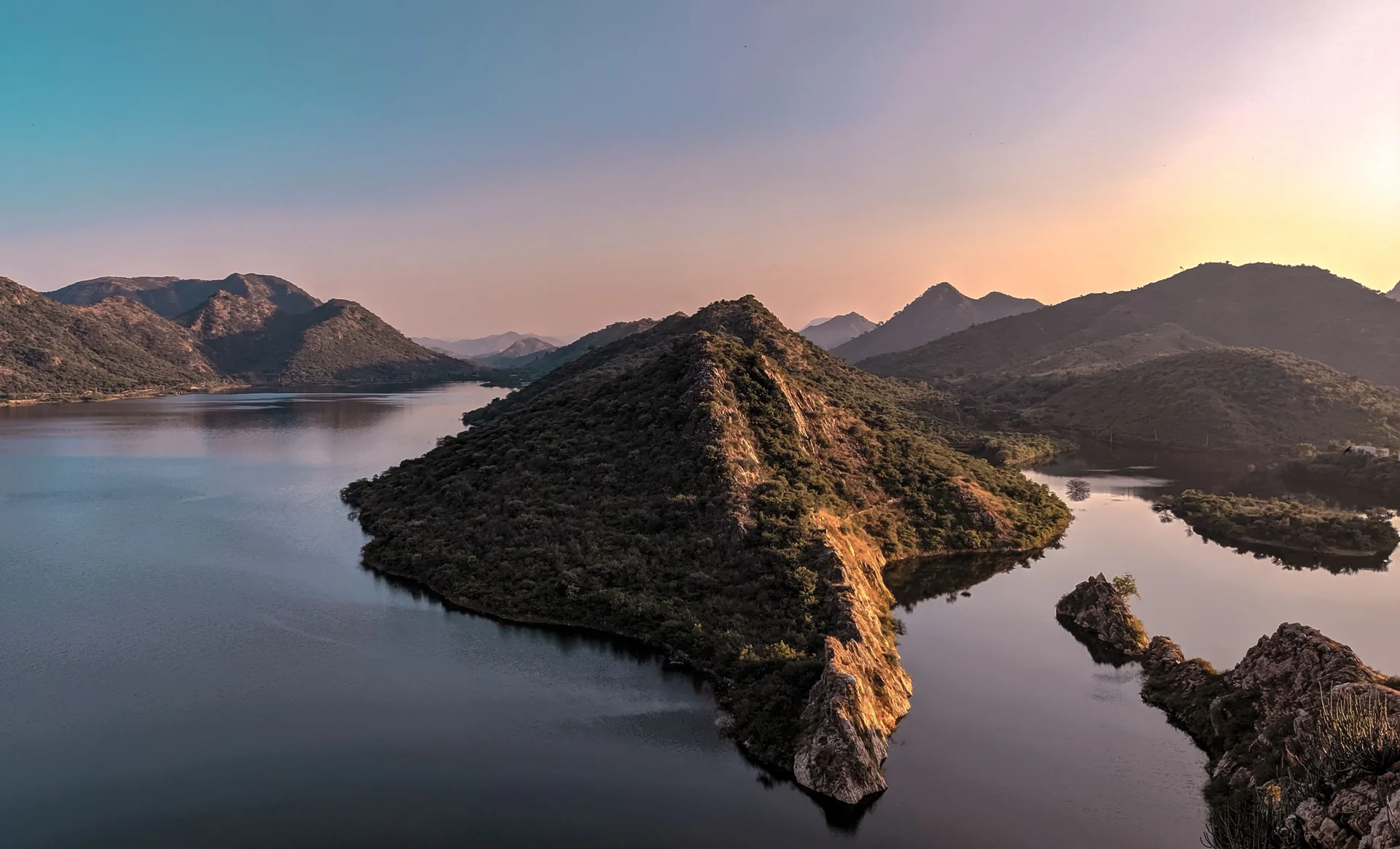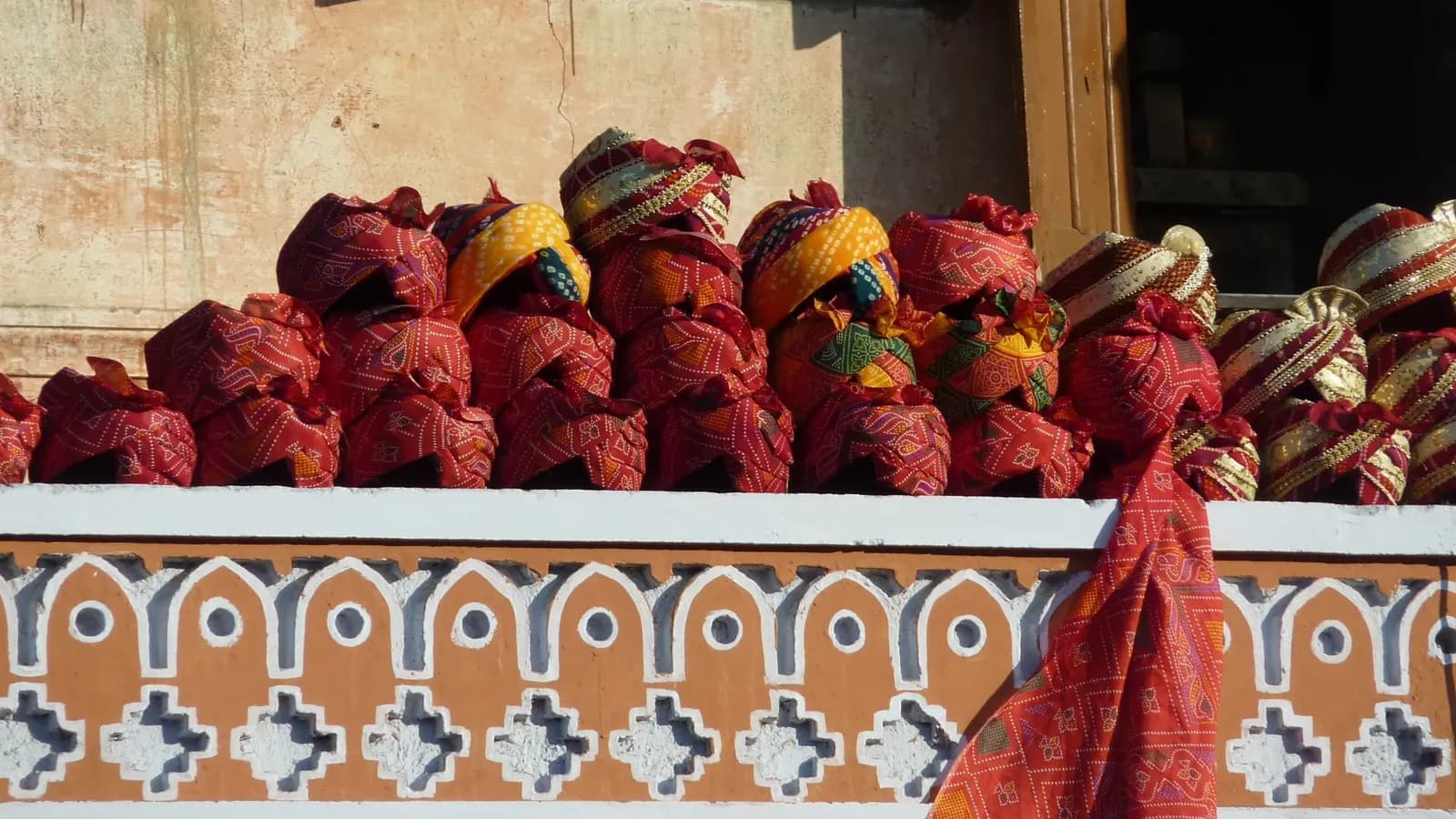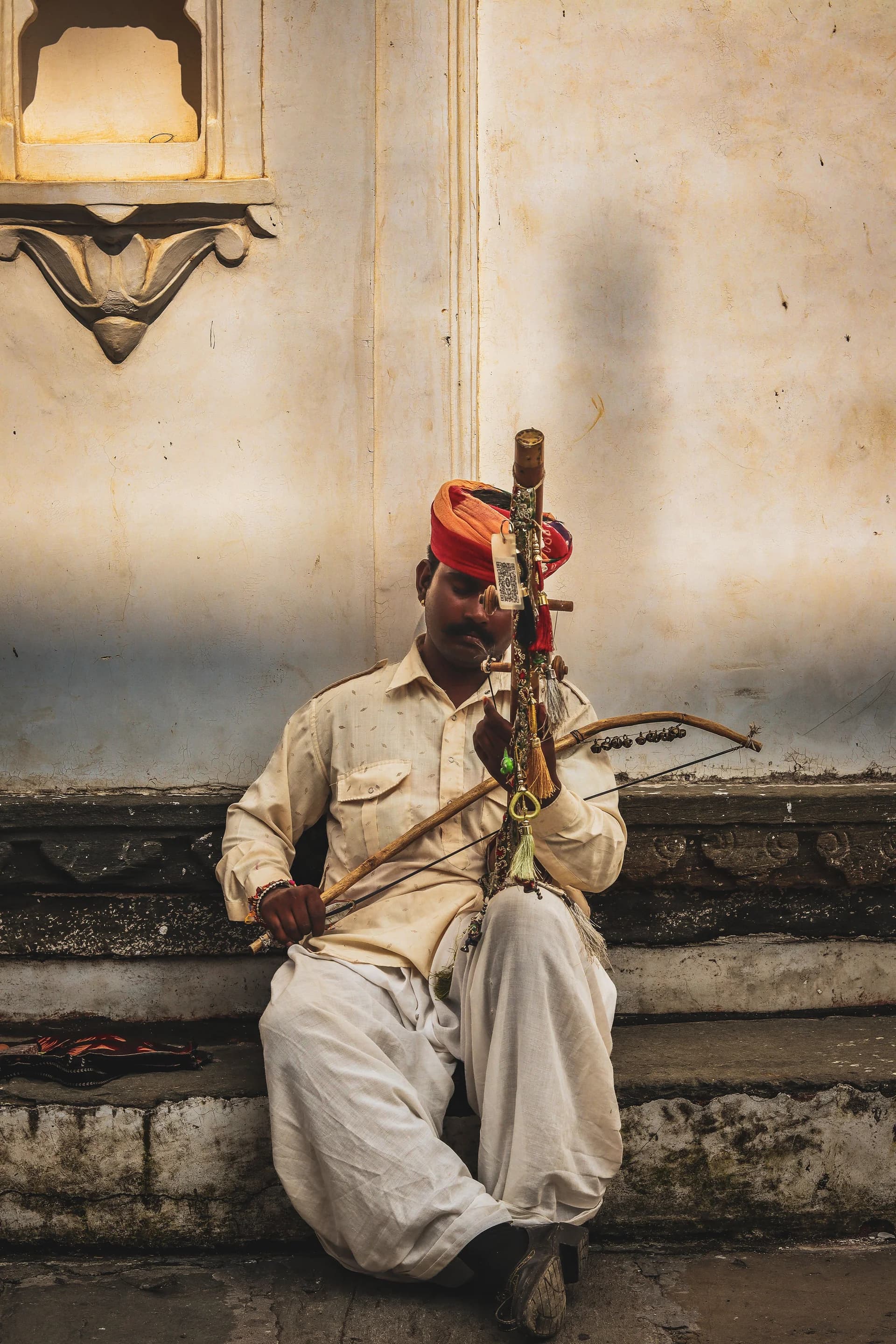
Most people come to Udaipur for the lakes and the sunsets. Fair enough. But if you're the kind of traveller who reads every plaque and asks the guide one question too many, this city has a second layer waiting for you: warrior kings, clever water engineering, quiet royal cenotaphs and lanes where families have lived in the same house for generations.
Here's a day-long history trail, stop by stop, with the stories that usually get skipped.
A little context first
Udaipur was founded in 1559 by Maharana Udai Singh II of the Sisodia Rajputs. When Akbar's army took Chittorgarh in 1568, Udaipur became the capital of Mewar, tucked safely inside a ring of Aravalli hills. Keep that idea of a capital built for safety in mind; it explains almost everything you'll see.
1. Moti Magri: where Maharana Pratap still rides
Start the morning on Moti Magri, the hill above Fateh Sagar Lake. At the top stands the memorial to Maharana Pratap, Udai Singh's son, mounted on his horse Chetak. Pratap refused to accept Mughal rule, fought at Haldighati in 1576 and spent years waging a hard campaign from the hills.
The morning view over Fateh Sagar is a bonus. For the full story of the man and the battle, read our guide to Maharana Pratap and the spirit of Mewar.
2. City Palace: four centuries in one building
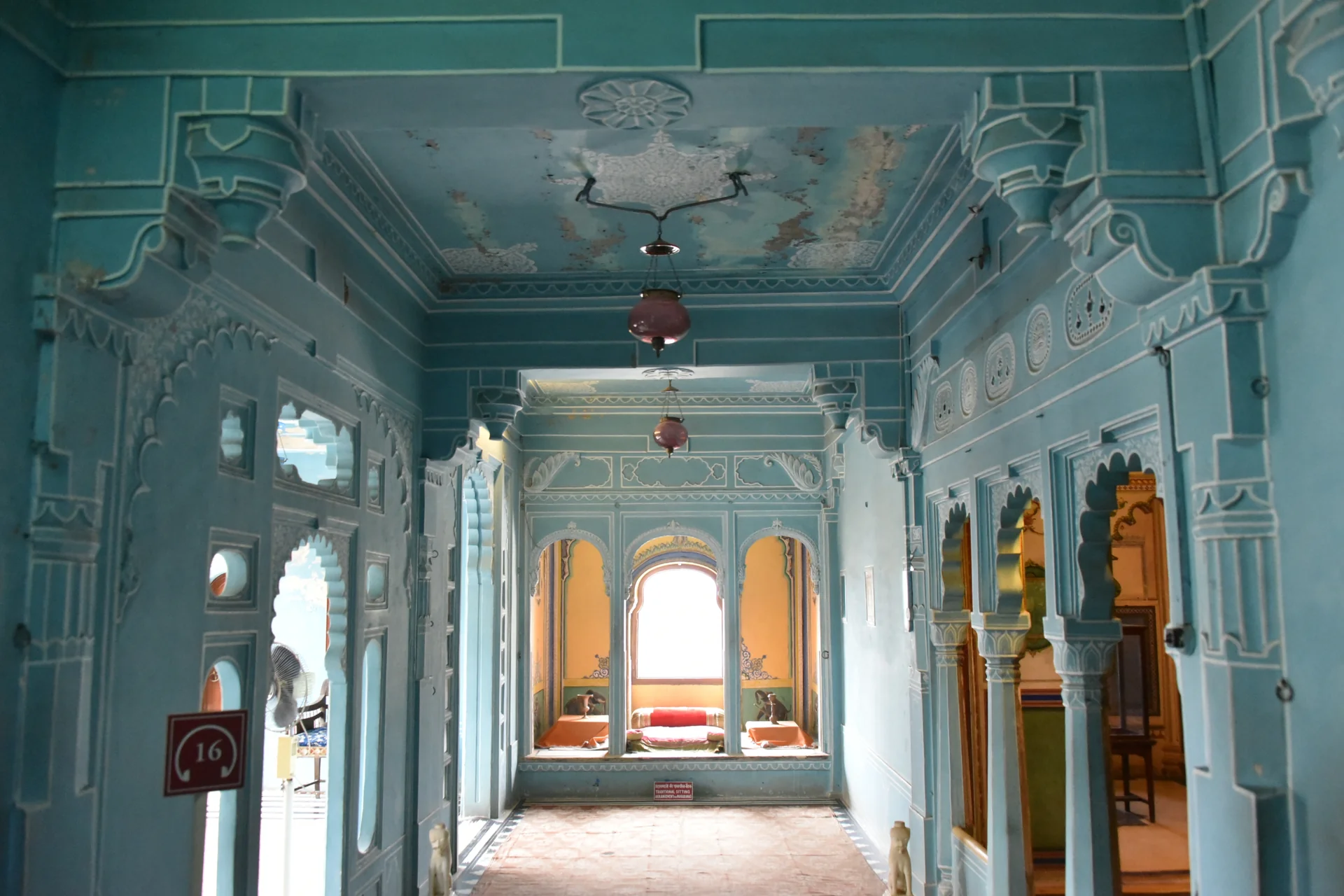
The City Palace was begun in 1559, and almost every Maharana after that added a courtyard, a wing or a balcony. That's why walking through it feels like flipping through a family album. Enter through the Tripolia gate and look out for:
- Badi Mahal, a garden courtyard built on a natural rise, so you're higher than you think.
- Mor Chowk, the peacock courtyard, with its glass-mosaic peacocks.
- Zenana Mahal, the royal women's quarters.
- The Crystal Gallery, which needs a separate ticket.
The museum, run by the Maharana of Mewar Charitable Foundation, holds weapons, paintings and royal objects. Give it two to three hours and check current timings at the counter.
3. Jagdish Temple: still in daily use
A short walk downhill, Jagdish Temple was built in 1651 by Maharana Jagat Singh I and is dedicated to Vishnu as Jagannath. Look closely at the carved exterior, a parade of elephants, dancers and musicians. Then listen: the bell and the aarti in the morning and evening have been calling this neighbourhood together for over three and a half centuries.
4. Bagore ki Haveli: the house of a minister
Everyone knows the evening dance show here. Fewer people walk through the haveli itself by day. This 18th-century mansion on Gangaur Ghat was home to a minister of the Mewar court, and its dozens of rooms now display costumes, jewellery, mirror work, paintings and puppets. It's the best place in the city to picture how a wealthy courtly family actually lived.
5. Ahar cenotaphs: the quiet royal ground
A short ride east of the old city, the Ahar cenotaphs are a field of white domed chhatris marking the cremation sites of Mewar's royals, including many Maharanas. Very few tourists make it here, which is exactly the point. Come in the soft afternoon light, walk slowly and read the carvings.
Local tip: The Ahar area is also known for an archaeological site and museum linked to a far older settlement, thousands of years before the Sisodias. Check whether it's open when you visit; it makes the cenotaphs feel even more layered.
6. The lakes were a plan, not an accident
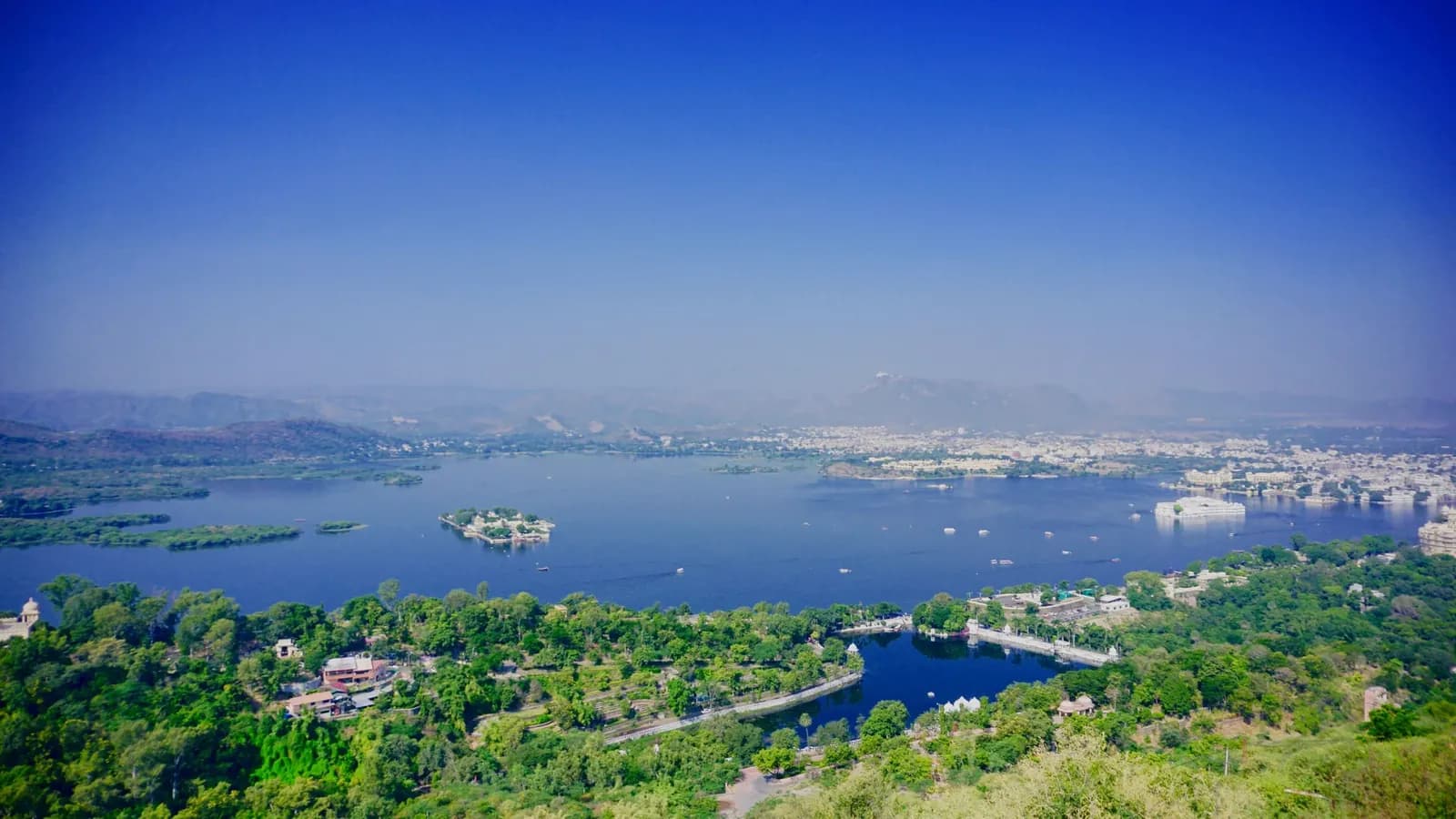
The lakes look like nature's gift. They're actually centuries of engineering. Lake Pichola was created in 1362 and enlarged by Udai Singh II. Fateh Sagar was built in 1687 and rebuilt by Maharana Fateh Singh in the late 1800s. Connecting channels and smaller lakes, including Swaroop Sagar and Doodh Talai, link the system so water can move through the city, and Udai Sagar lies to the east.
In a dry corner of Rajasthan, this was survival. The lakes stored monsoon rain for the long hot months, and the city grew around them.
7. Sajjangarh: the palace that watched the clouds
End the day at Sajjangarh, the Monsoon Palace, built in 1884 under Maharana Sajjan Singh on a hilltop now inside a wildlife sanctuary. The story goes that it was meant to watch the monsoon clouds roll in. Sajjan Singh died young, and the palace was finished by those who came after him. Today it's the city's favourite sunset point; arrive early, because everyone else had the same idea.
8. Old city lanes: history that still has tenants
If you have energy left, or swap this in for the morning, walk the lanes around the Clock Tower, Bada Bazaar and towards Gulab Bagh. Look up at the jharokhas (carved balconies) and the heavy wooden doorways. Chat with a shopkeeper whose family has run the same counter for generations. Those stories never make the guidebooks.
Good to know: Timings and tickets at these sites change. Check current timings before you go, and if you'd like help stitching this into a realistic route, our trip planner can sort it out.
Want the city's softer side next? Read the legend of the Natini's curse or explore more places to visit in Udaipur.
Quick answers
Who founded Udaipur and when?
Maharana Udai Singh II of the Sisodia Rajputs founded Udaipur in 1559. It became Mewar's capital after Chittorgarh fell in 1568.
How much time do I need to see Udaipur's historical sites?
One full day covers the highlights in the city. Add another day for Haldighati, Kumbhalgarh or Chittorgarh.
What is the most underrated historical site in Udaipur?
The Ahar cenotaphs. They're close to the city, quiet, and hold the memorials of many Mewar royals.