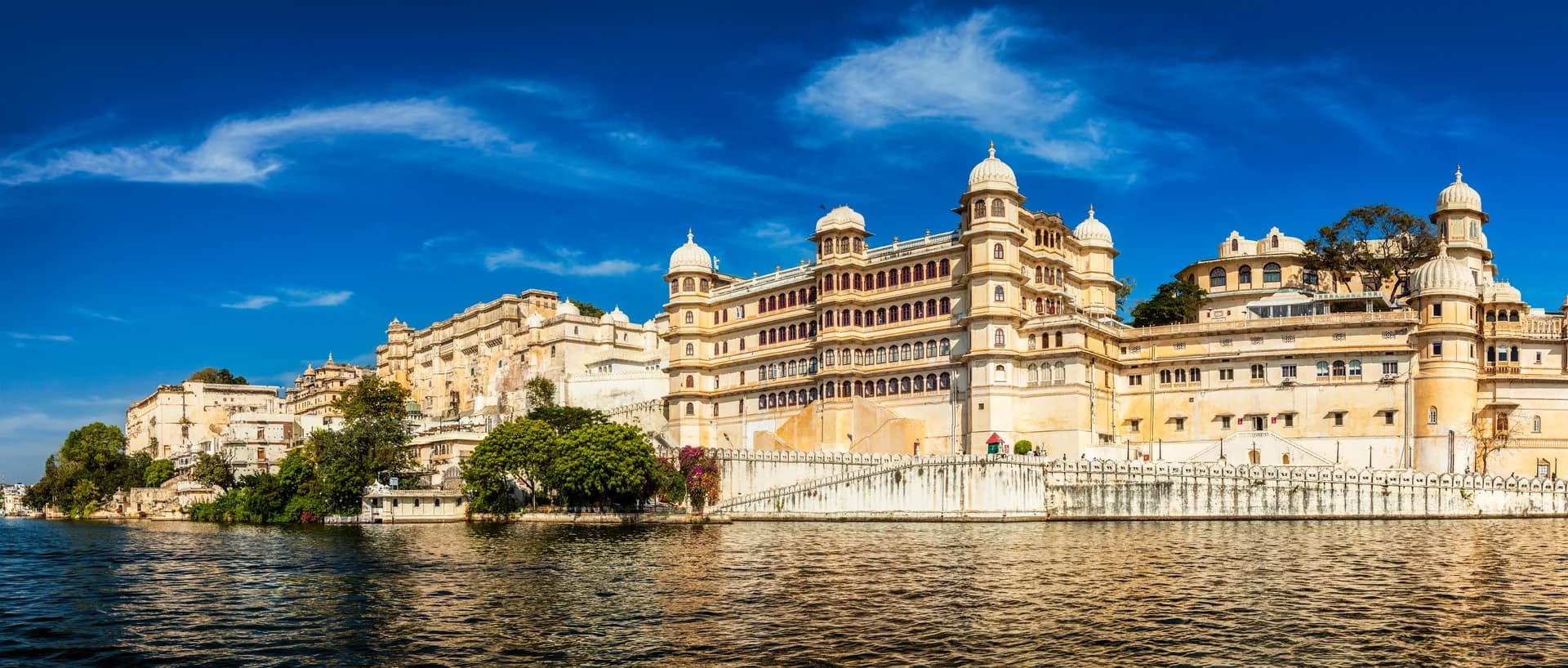
Mewar's history isn't polite. It's sieges, exiles, a capital moved under fire and a king who refused to bow. You can read about it, or you can stand on the walls where it happened. Udaipur and the country around it let you do the second.
Here are five monuments that tell the story best, from the city's own palace to two forts on UNESCO's World Heritage list, plus a couple of bonus stops for proper history lovers.
First, the backstory in one minute
Udaipur was founded in 1559 by Maharana Udai Singh II of the Sisodia Rajputs. When Chittorgarh fell to Akbar in 1568, Udaipur became the capital of Mewar, safer behind the Aravalli hills. His son, Maharana Pratap, fought the Mughals at Haldighati in 1576 and never accepted their rule. Keep that in mind and every monument below clicks into place.
In the city
1. City Palace: four centuries in one building
Started in 1559 and expanded by Maharana after Maharana for around 400 years, the City Palace is the largest palace complex in Rajasthan. You can actually see the layers: older, fortress-like sections give way to later rooms of mirror work, inlaid glass and painted walls. The museum, run by the Maharana of Mewar Charitable Foundation, holds weapons, costumes, palanquins and paintings. The Crystal Gallery is a separate ticket.
Plan it: two to three hours, ideally in the morning. A guide makes a real difference here. Check current timings at the counter.
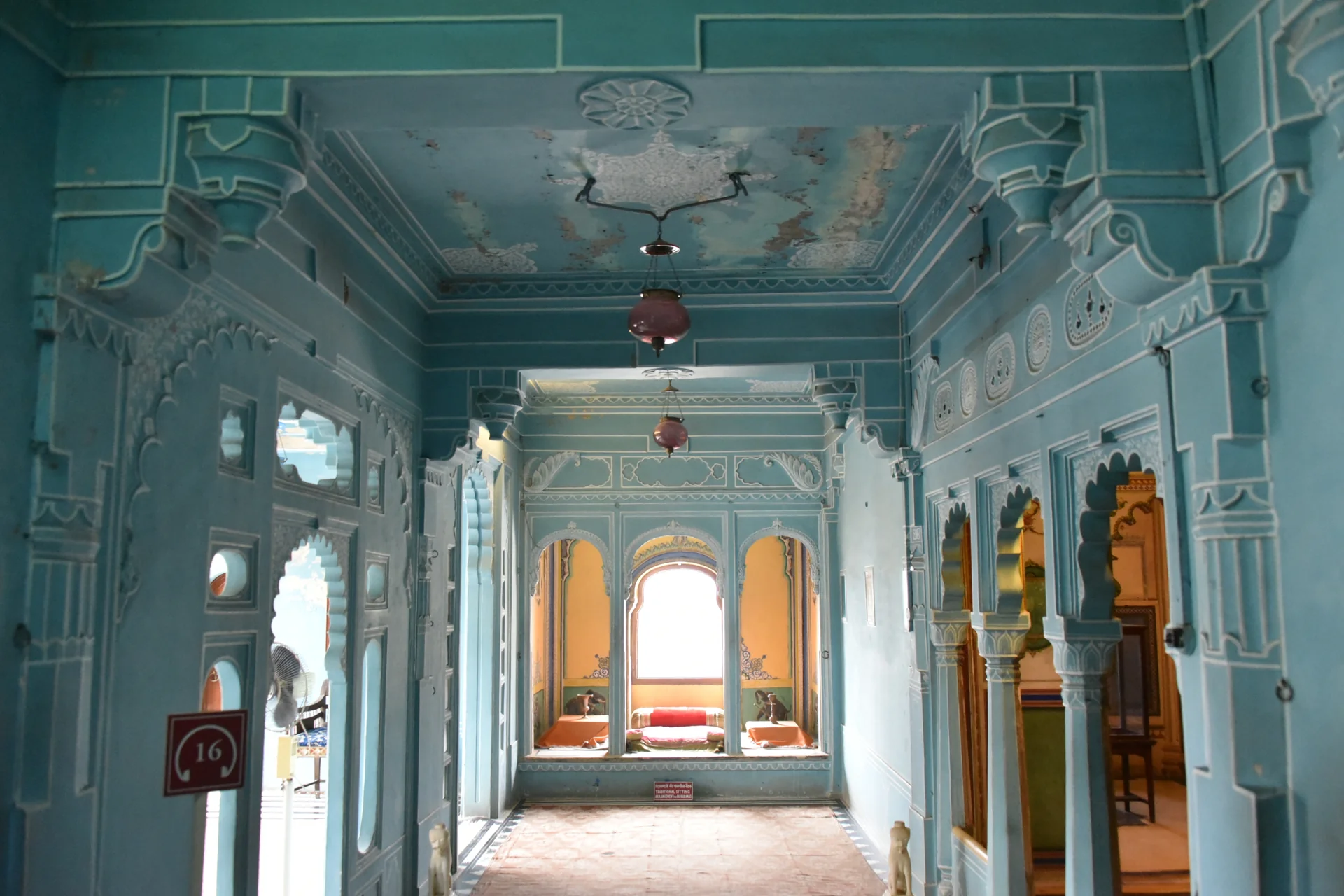
2. Sajjangarh (Monsoon Palace): built for watching clouds
In 1884 Maharana Sajjan Singh began a palace on a hilltop west of the city, high enough to watch the monsoon clouds roll in over the Aravallis. Today it sits inside Sajjangarh Wildlife Sanctuary. It isn't heavily decorated, and that's fine; the history here is about the view the royals wanted and the reasons they wanted it. Most people come for sunset, so go a little earlier to explore before the crowd.
3. Bagore ki Haveli: how the nobility lived
Palaces show you the king. This 18th-century haveli on Gangaur Ghat, built for a minister of the Mewar court, shows you the people around him. Wander its many rooms of costumes, jewellery, games and household objects, and look up at the jharokhas and the glass inlay. In the evening the courtyard hosts the Dharohar folk dance show, around 7 pm. We cover the performance side on our culture page.
Worth the day trip
4. Kumbhalgarh Fort: the great wall of Mewar
About 85 km north of Udaipur, Kumbhalgarh was built under Maharana Kumbha in the 15th century and is part of the UNESCO World Heritage site "Hill Forts of Rajasthan". Its wall runs for roughly 36 km over the hills, one of the longest continuous fortification walls anywhere. Inside are temples, palace ruins and watchtowers. It's also the birthplace of Maharana Pratap, which gives the climb to the top a bit of extra weight.
Plan it: leave early, carry water, and combine it with the Ranakpur Jain temple (about 90 km from Udaipur, famous for its 1,444 carved pillars). Ask locally about the evening light-and-sound show if you're staying the night.
5. Chittorgarh Fort: Mewar's first capital
Around 115 km away, Chittorgarh is another of the UNESCO "Hill Forts of Rajasthan" and one of the largest forts in India. This was Mewar's capital before Udaipur, and its stories are of last stands and sacrifice. Look for the Vijay Stambh (Victory Tower), Rana Kumbha's palace, Rani Padmini's palace and the Meera temple. It's a big site; comfortable shoes are not optional.
Bonus stops for history lovers
- Haldighati (about 40 km): the pass where Maharana Pratap and his horse Chetak fought in 1576.
- Moti Magri: the Maharana Pratap memorial on the hill above Fateh Sagar, an easy hour in the city.
- Ahar Cenotaphs: the royal memorials on the city's eastern edge, which we describe in our top 10 places guide.
Visit between October and March if you can. Climbing fort ramparts in May is a test of character nobody needs. Whatever the season, start early, carry water and a hat, and give each fort the whole morning rather than squeezing it in before lunch. These places reward people who wander off the main path.
Quick answers
Which is the most famous monument in Udaipur?
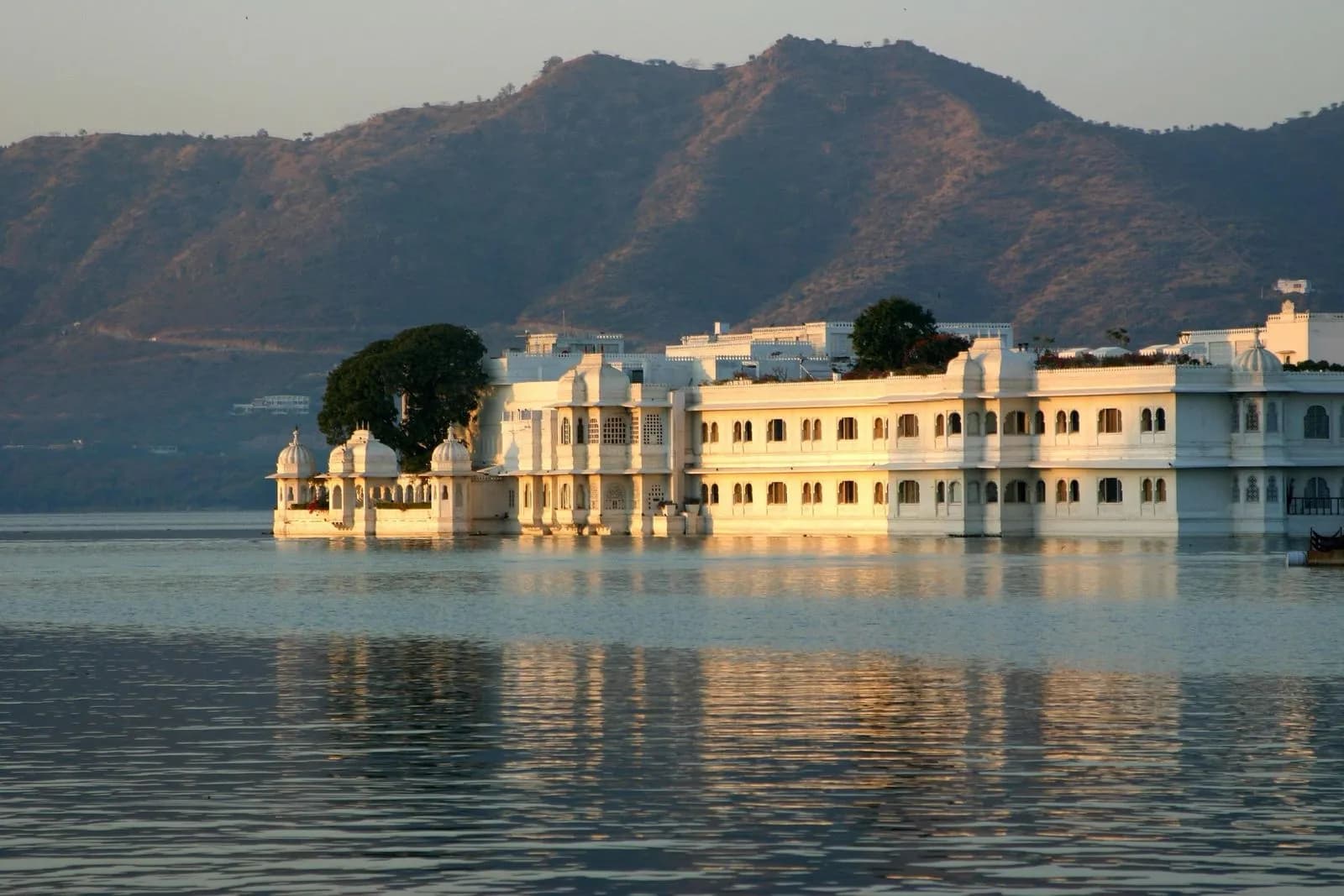
The City Palace, the largest palace complex in Rajasthan, on the bank of Lake Pichola.
Can I visit Kumbhalgarh and Chittorgarh from Udaipur in a day?
Each works as a day trip, but not both together. Kumbhalgarh pairs well with Ranakpur; Chittorgarh deserves a day of its own.
Why is it called the Monsoon Palace?
Sajjangarh was built on a hilltop so the royal family could watch monsoon clouds gather over the hills and lakes.