Udaipur's lakes get the postcards, but its markets get the stories. Walk ten minutes from the City Palace and you'll be ducking under strings of mojaris, stepping aside for a scooter piled with marigolds, and being offered chai by a shopkeeper who hasn't even asked what you're looking for yet.
This is our street-by-street guide to the markets of Udaipur: what each one is good for, what you can skip, and how to shop them without wearing yourself out. For the craft details, like how to tell real bandhani or check silver, keep our honest souvenir guide open in another tab.
How Udaipur's markets are laid out
Most of the shopping worth your time sits inside or just outside the old walled city, within walking distance of Jagdish Temple. Jagdish Chowk, Hathi Pol, Bada Bazaar and the Clock Tower lanes run into one another, so one long, unhurried afternoon covers them all. Chetak Circle and Bapu Bazaar are a short auto ride away. Shilpgram is a few kilometres west of the city, so give it its own half-day.
Jagdish Chowk: leather, paper and Pichwai
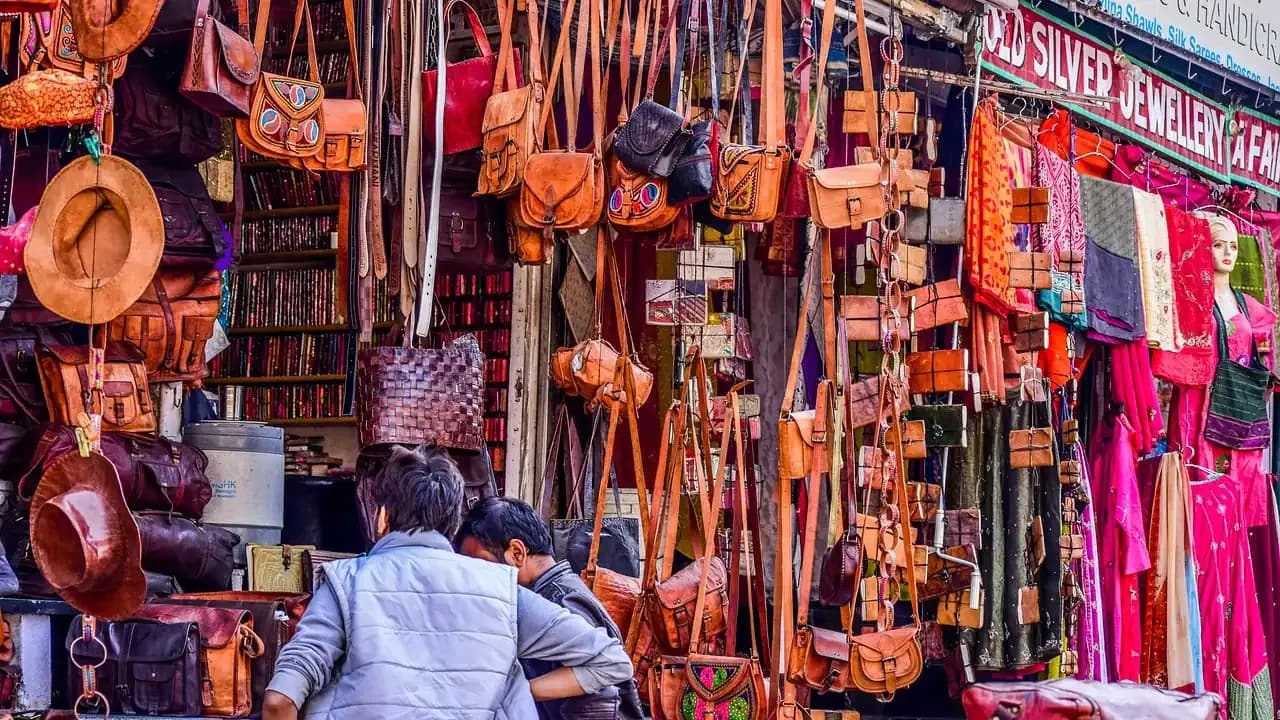
Start at the steps of Jagdish Temple, ideally just after the evening bell. The lanes around the chowk are calmer than the main bazaars and full of small shops selling leather journals with hand-stitched bindings, soft satchels, wallets and laptop bags with a worn, vintage finish. A journal stuffed with thick handmade paper is probably the most gifted souvenir in this part of town, and for good reason: it's light, it's useful and it smells wonderful.
You'll also see large paintings of Krishna hanging in doorways here. These are Pichwais, a devotional art from the temple town of Nathdwara, about 48 km away, and they look even better once you know the stories painted into them.
Hathi Pol Bazaar: the art lovers' street
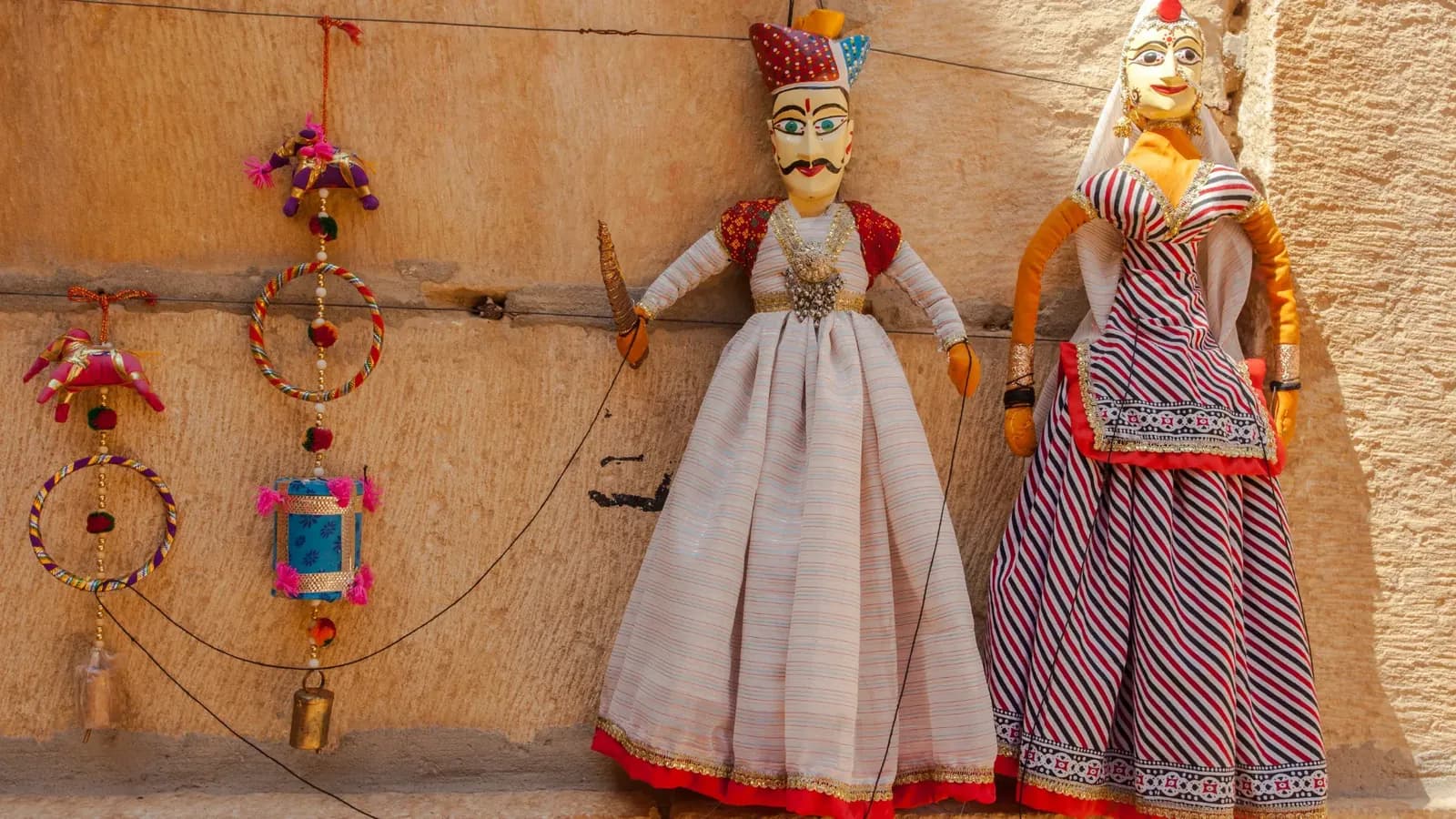
Hathi Pol, the "elephant gate", is where Udaipur's painters sell. Shop after shop is lined with miniature paintings on handmade paper and silk: royal processions, hunting scenes, Krishna among his cows, elephants dressed for a festival. Many shops have an artist working at a low desk inside, and most are happy to show you how the fine brushes are held or how colours are mixed. Wooden handicrafts, painted boxes, colourful puppets and fabric wall hangings fill every remaining inch.
Slow down here and ask questions. Our Mewar miniature painting guide explains how to tell a hand-painted piece from a print, which matters on this street more than anywhere else.
Bada Bazaar: colour, silver and mojaris
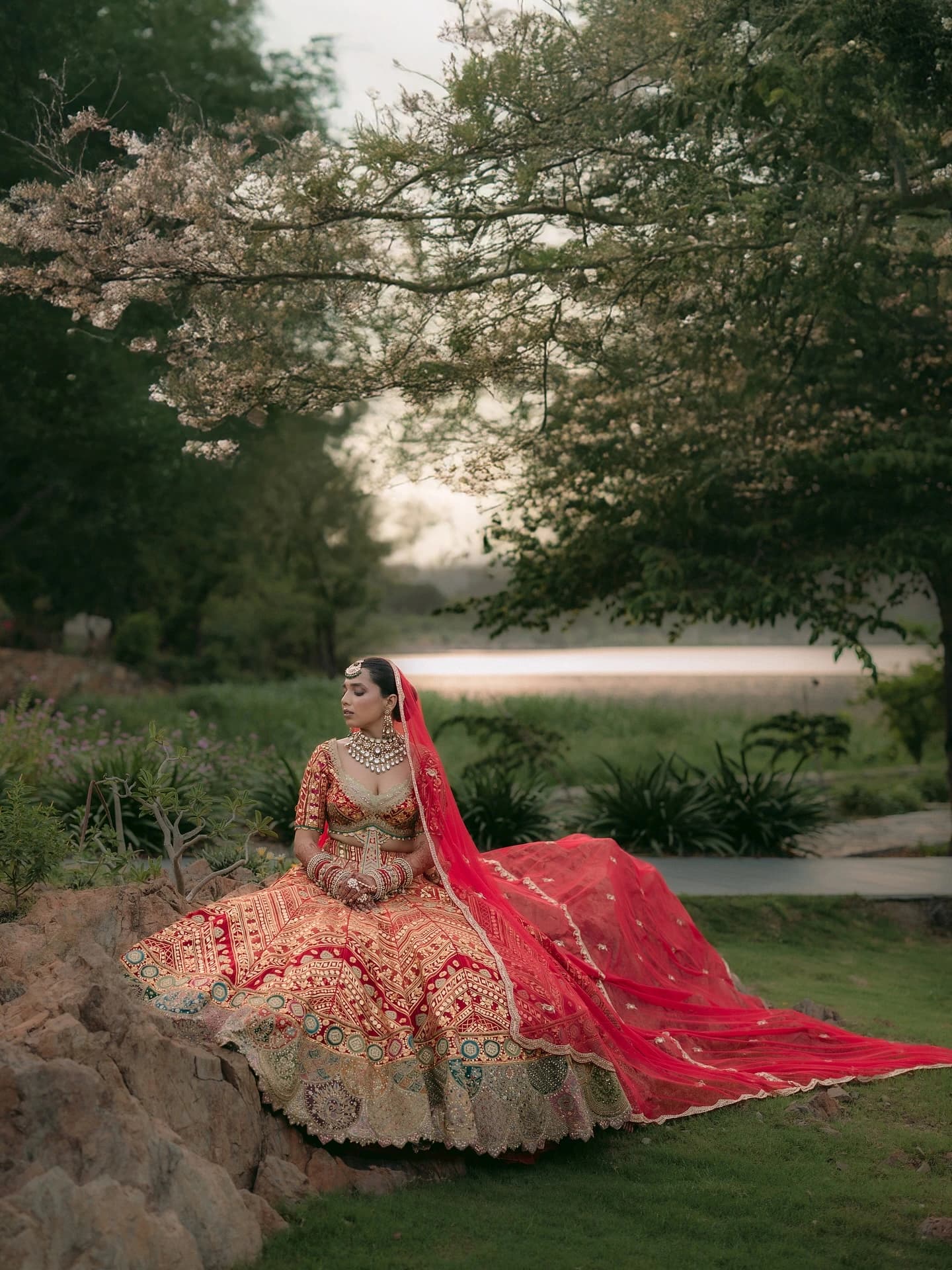
Bada Bazaar sits in the heart of the old city and is the loudest, brightest, most cheerful market in Udaipur. Locals shop here for weddings, so the bandhani sarees and dupattas are the real festive stuff rather than tourist versions. Silver jewellery shops line the lane, from simple everyday earrings to heavy traditional anklets, and the mojari sellers stack embroidered leather shoes in towers that look one sneeze away from collapse.
Even if ethnic wear isn't your thing, a bandhani dupatta makes a lovely scarf or cushion cover. Want a full festive outfit? See our round-up of saree shops in Udaipur.
Clock Tower: lac bangles and brassware
The Clock Tower area is one of the oldest market spots in the city, and it still feels that way. Narrow lanes, tiny shops, shopkeepers who greet their regulars by name. The star here is the lac bangle: glossy, layered, studded with little stones and available in every colour you can name. Ask nicely and many sellers will make a set in your own colour combination.
Look out too for brass and copper bowls, trays, lamps and carved decorative boxes. They're heavy, so buy the brass at the end of your walk, not the start.
Chetak Circle: small gifts and marble
Chetak Circle, named after Maharana Pratap's legendary horse, is where you go for easy, pretty gifts. Think marble elephants and animal figurines, hand-painted frames, painted wooden toys, quirky keychains, painted bottles, metal statues and the occasional traditional musical instrument. It's the quickest way to sort out a dozen small presents for friends and colleagues in one go.
Bapu Bazaar: where Udaipur actually shops
Bapu Bazaar is a locals' market: stainless steel kitchen sets, school bags, everyday clothes and modern fashion. There isn't much handicraft, and that's exactly why it's worth half an hour. It shows you modern Udaipur going about its day, and the snack carts nearby are excellent, so come hungry.
Shilpgram: the crafts village
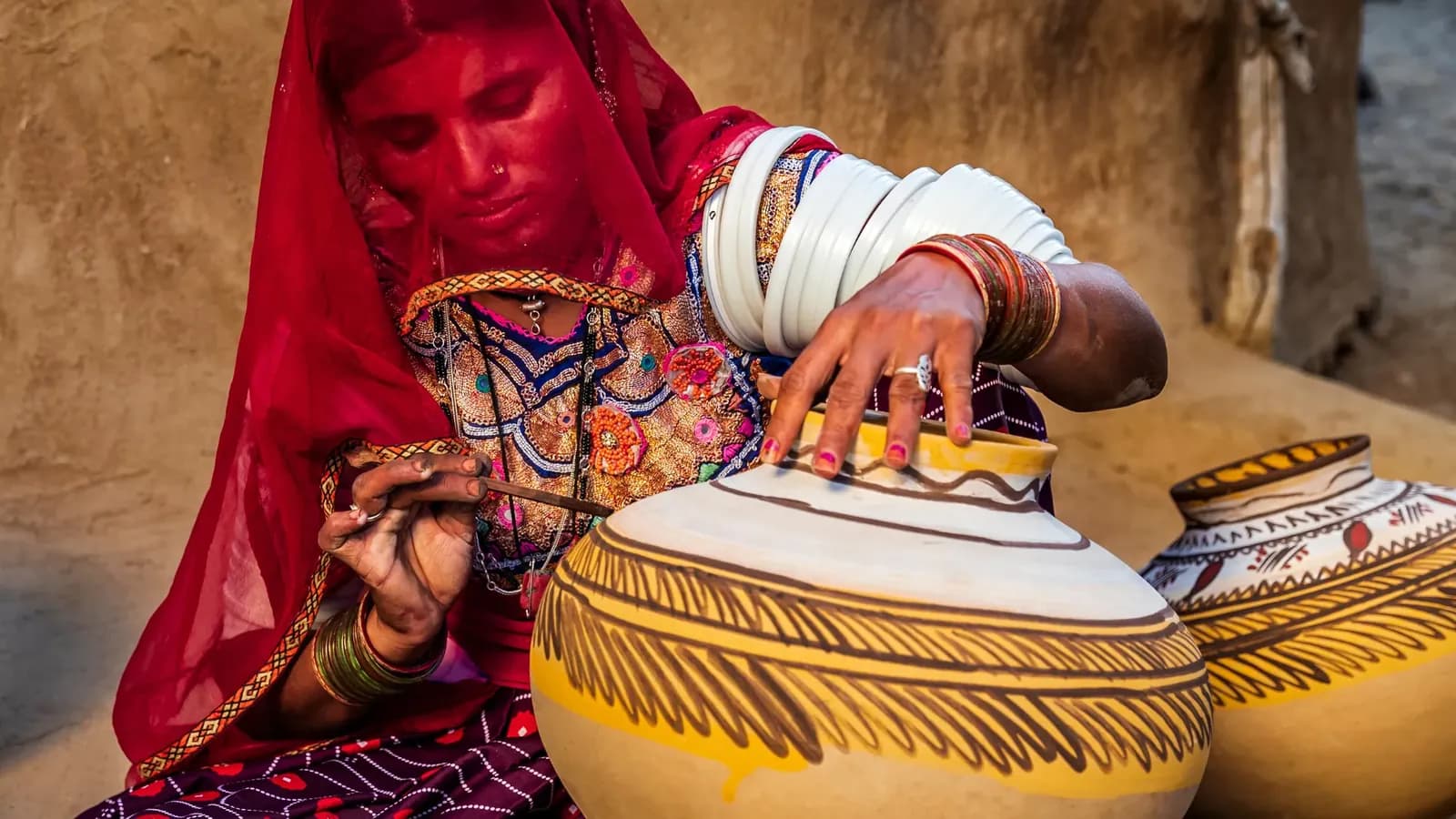
Shilpgram, a few kilometres west of the city and run by the West Zone Cultural Centre, isn't really a market. It's a rural arts and crafts village where artisans from across the region show their work among mud-walled huts, and you can watch potters at the wheel. Come here for handwoven rugs, cushion covers, naturally dyed fabrics and block-printed stoles. In December, the 10-day Shilpgram Utsav turns the whole place into a fair with folk performers, food stalls and crafts from across western India.
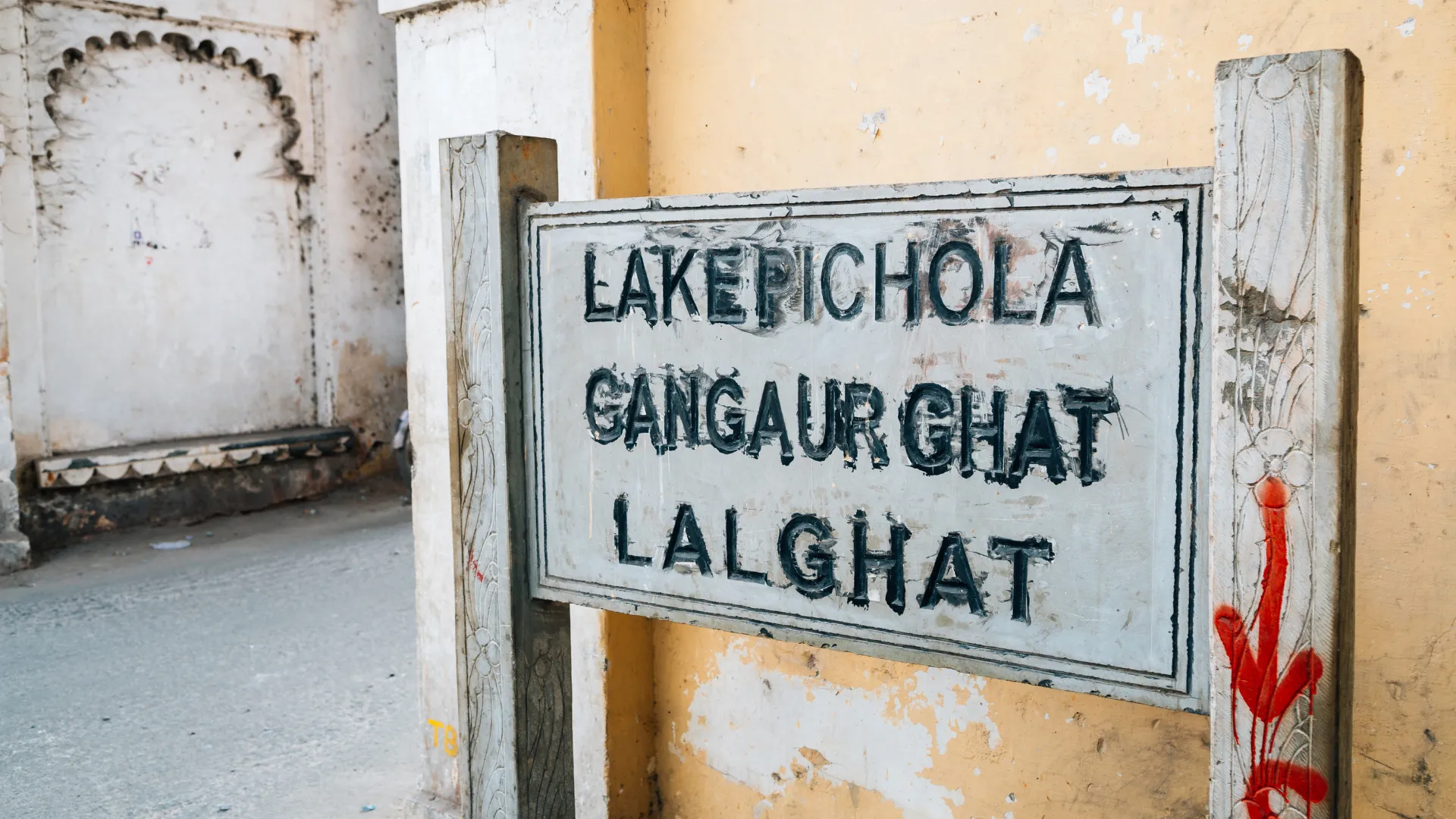
Local tip: The old-city lanes are cooler, prettier and more relaxed after about 5 pm, and shopkeepers are in a better mood once the afternoon heat breaks. Finish your shopping with sunset at Gangaur Ghat or Ambrai Ghat.
Shopping tips that actually help
- Carry some cash. Bigger shops take cards and UPI, but plenty of small stalls still prefer cash.
- Bargain, but kindly. Polite haggling is expected in the bazaars. Smile, make a fair offer and be ready to walk away without drama.
- Support local makers. Ask how something was made and who made it. The answer tells you a lot, and your money helps keep old crafts going.
- Bring a tote bag. Many vendors are cutting back on plastic.
- Mind the season. From April to June afternoons get very hot, so shop in the morning or evening.
Want the markets to fit neatly around palaces, boat rides and dinner? Tell us your dates and we'll help you plan your trip.
Quick answers
Which is the best market in Udaipur for shopping?
For paintings and handicrafts, Hathi Pol. For bandhani, silver and mojaris, Bada Bazaar. For handloom and rural crafts in one place, Shilpgram.
What is Udaipur famous for buying?
Mewar miniature paintings, bandhani and leheriya textiles, silver jewellery, lac bangles, leather journals, mojaris and marble figurines.
What time do Udaipur's markets open?
Most old-city shops open by late morning and stay busy into the evening, though hours vary from shop to shop and some close one day a week. Check locally before you set out.