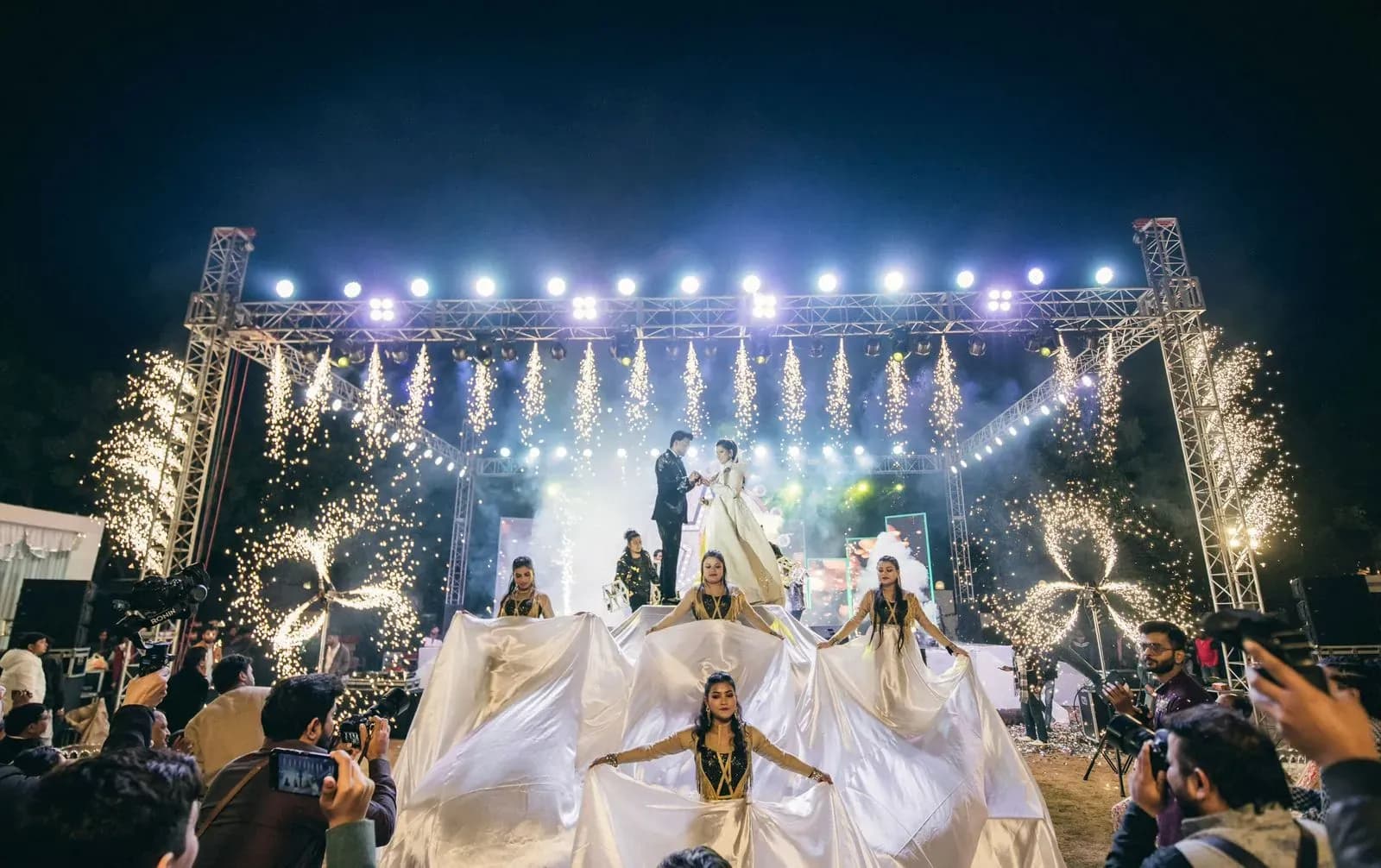
On a winter evening in Udaipur you can often hear a wedding before you see it: a dhol echoing across the water, a brass band warming up, fireworks reflected in Lake Pichola. Guests see the magic. What they don't see is the weeks of work by a small army of local people that make one evening look effortless. That hidden machinery is one of the city's most important industries.
Why couples choose Udaipur
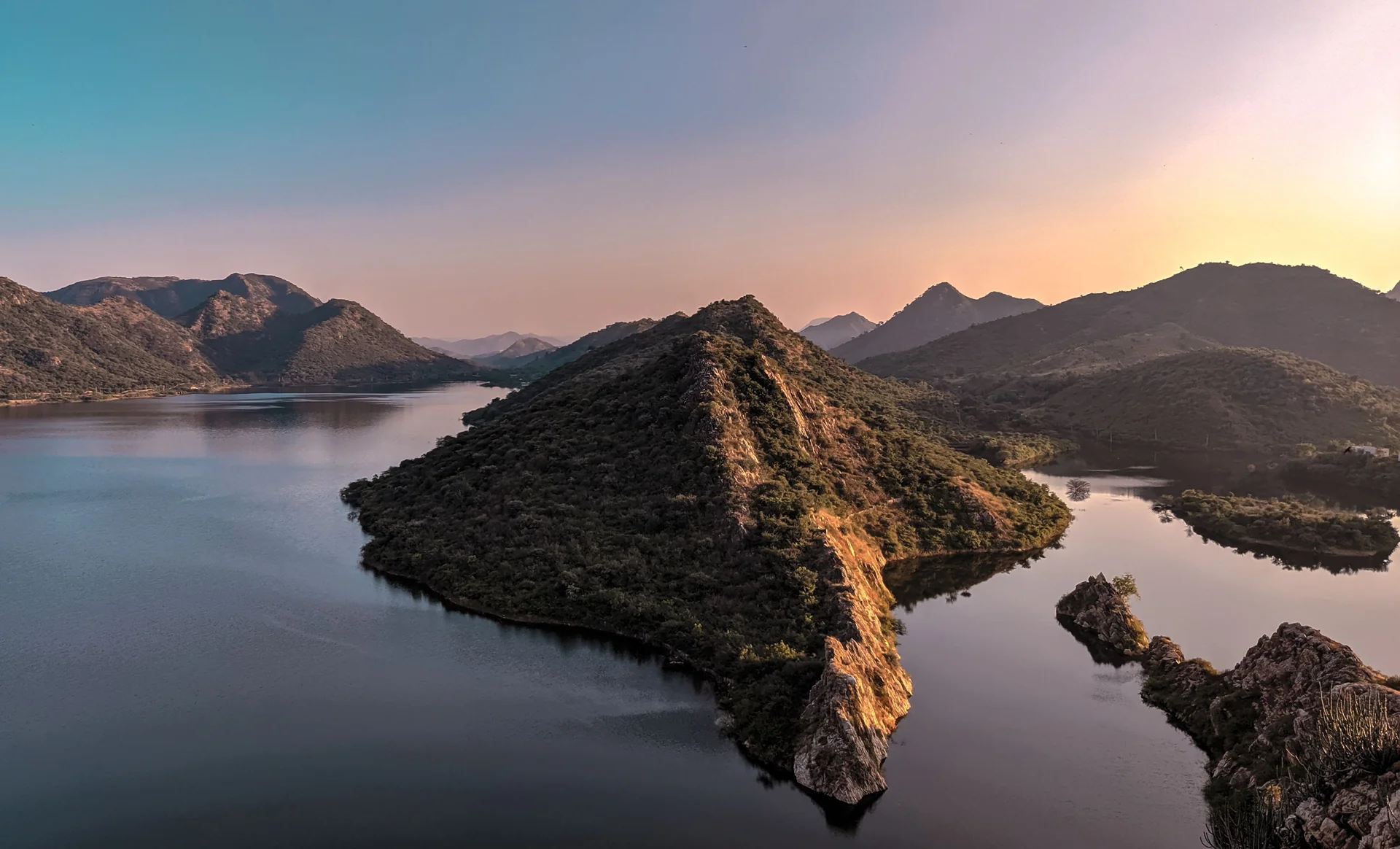
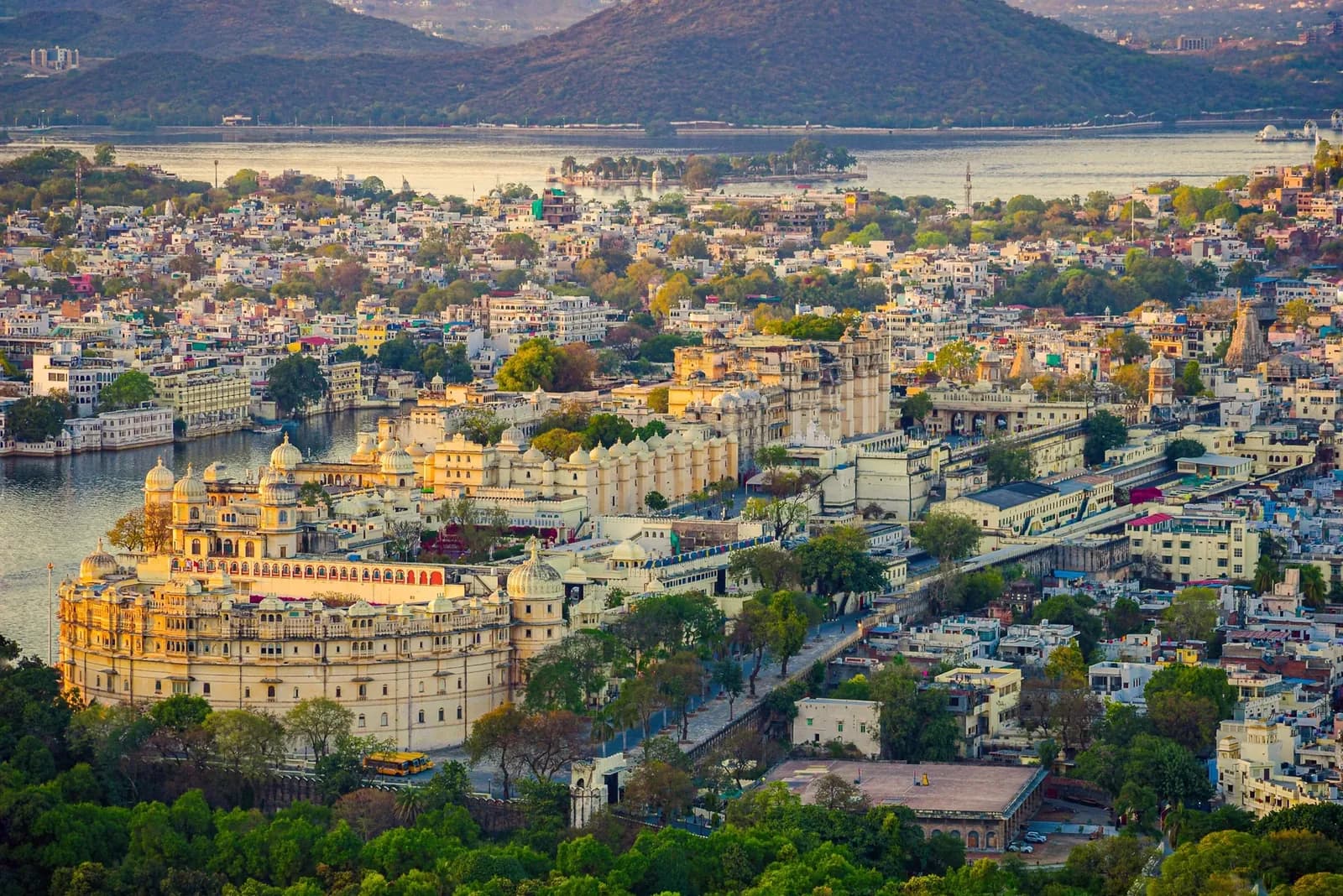
It's not hard to understand. Palaces rising out of lakes, the Aravalli hills turning gold at sunset, heritage havelis with carved jharokhas and courtyards built for celebration. Add a pleasant winter climate, an airport at Dabok and good road links to Ahmedabad, Jaipur and Jodhpur, and Udaipur has become one of India's best-known destination-wedding cities.
The venues
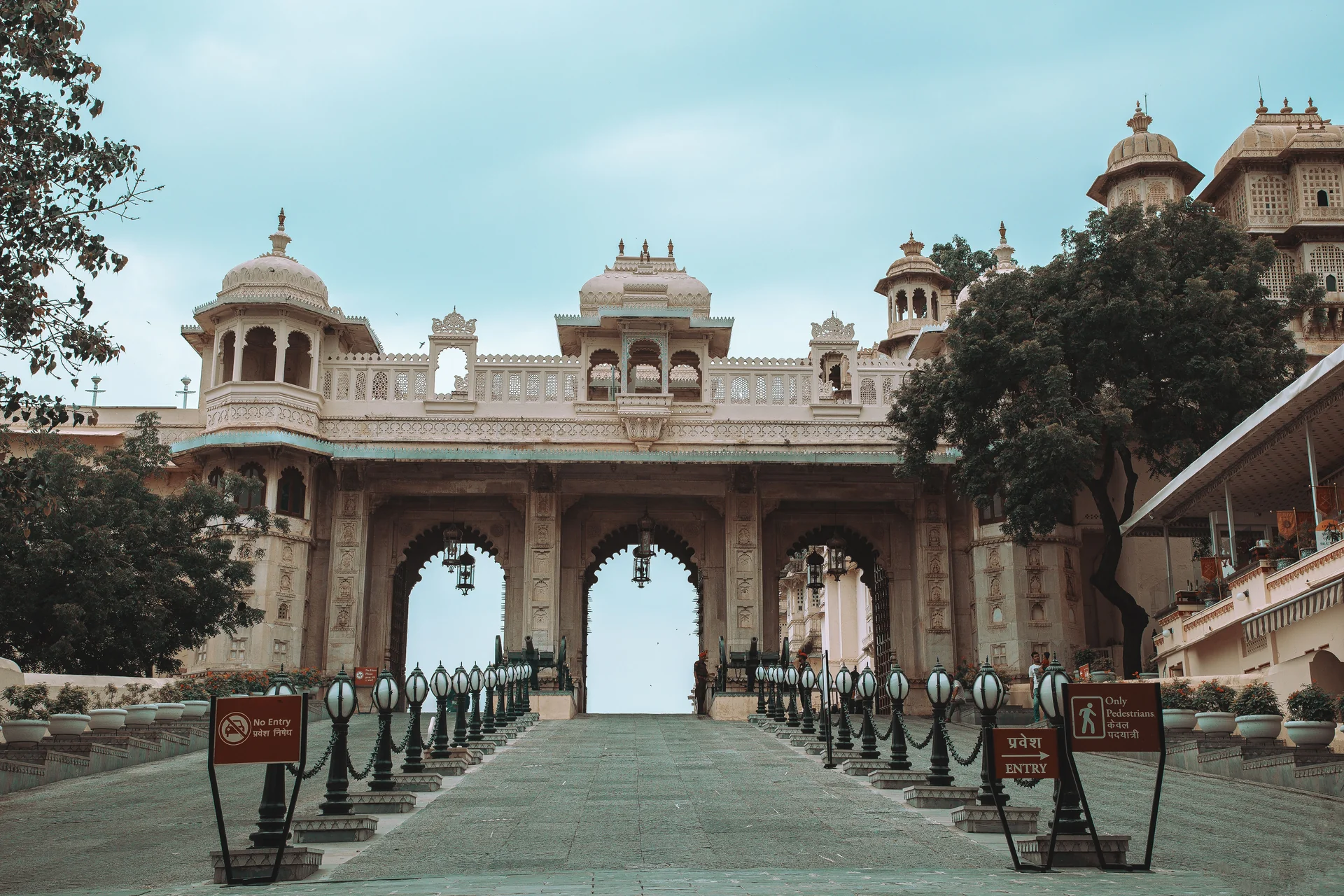
The kind of venues that made the city famous include palace hotels and heritage properties around the lakes, such as The Oberoi Udaivilas, The Leela Palace Udaipur, the Taj Lake Palace, the Jagmandir Island Palace and the venues at Fateh Prakash in the City Palace complex. Beyond these icons are many resorts, heritage hotels, lawns and garden venues on the city's edges and around the lakes. Each one needs a whole network of local suppliers to function.
The people behind the celebration
Planners and coordinators
Wedding planners turn a family's wish list into timelines, budgets, guest logistics and dozens of vendor contracts. Many out-of-town planners rely on local coordinators who know the venues, the permissions and which roads jam on a Saturday evening.
Decor, flowers, light and sound
Florists, tent and furniture suppliers, lighting crews, stage builders, sound engineers and fireworks teams can work through the night to transform a lawn or courtyard, then take it all down again by morning.
Food and hospitality
Caterers, chefs, bartenders, servers and hotel staff look after guests for several days in a row. Rajasthani menus with dal baati churma, gatte ki sabzi and laal maas often sit next to cuisines from wherever the family comes from.
Music, dance and culture
Folk musicians with ravanhatta and dhol, ghoomar and kalbeliya dancers, puppeteers and turban tiers bring Mewar's culture into the celebration. It's work that keeps traditional art forms alive and paid. See our culture guide for the stories behind them.
Beauty, fashion and photography
Makeup artists, mehendi artists, tailors, jewellers, photographers, videographers and drone operators all have their busiest weeks during the season.
Transport and logistics
Fleets of cars and coaches shuttle guests between the airport, hotels and venues, while boats ferry them across the lake for island events. Behind that sits warehousing, generators, security and plenty of very tired drivers.
Local jobs and ripple effects
A big wedding creates temporary work for a huge range of people, from skilled craftspeople to daily-wage helpers. It also brings repeat business: guests come back as tourists, buy handicrafts, recommend the city to friends and sometimes plan their own celebrations here. For many artisans and performers, wedding bookings provide a large share of their income.
Seasonality: the wedding calendar
Most destination weddings happen between roughly October and March, when the weather is kind and the lakes look their best. Within that window, auspicious dates from the Hindu calendar decide which weekends become impossibly busy. The hot months and the monsoon are quieter, though smaller and intimate weddings increasingly fill the gaps. Dates change every year, so planners and vendors watch the calendar closely.
Local tip: If you supply weddings, block your capacity early for the busiest auspicious dates and keep a short list of trusted backup partners. When five weddings land on one Saturday, your reputation depends on who answers the phone.
What it means for local businesses
- Reliability is everything. Planners rebook vendors who show up on time and fix problems quietly.
- Show your work well. Couples and planners shortlist from photos and reels, so a good portfolio online matters. Our guides on digital marketing and promoting your business with Udaipur Visit can help.
- Plan for the off-season. Corporate events, intimate weddings and tourist-facing services can smooth out the quiet months. For the bigger picture, read how tourism powers Udaipur's economy.
- Respect the city. Noise rules, waste and lake care matter to residents, and to the city's long-term appeal.
Planning a wedding yourself? Udaipur Visit doesn't run venues, but we can connect you with trusted local partners. Start on our weddings page or contact us.
Quick answers
Why is Udaipur popular for destination weddings?
Its lakeside palaces and heritage venues, pleasant winter weather, good connectivity and deep pool of experienced local vendors make it one of India's favourite wedding cities.
When is wedding season in Udaipur?
Mainly from about October to March, with the busiest days set by auspicious dates in the Hindu calendar, which change every year.
Which local businesses benefit from destination weddings?
Hotels and venues, planners, decorators and florists, caterers, musicians and dancers, makeup and mehendi artists, photographers, tailors, jewellers and transport providers.
Good to know: This article is general information about Udaipur's wedding industry, not financial, legal or investment advice. Please research thoroughly and speak to qualified professionals before making business decisions.