Watch a single boat leave the jetty on Lake Pichola and you're looking at an economy in miniature. The boatman, the ticket counter, the tea stall by the ghat, the photographer, the auto driver who brought the family there and the hotel they'll go back to tonight. In Udaipur, tourism isn't one industry. It's the thread running through dozens of them.
Why tourism matters so much here
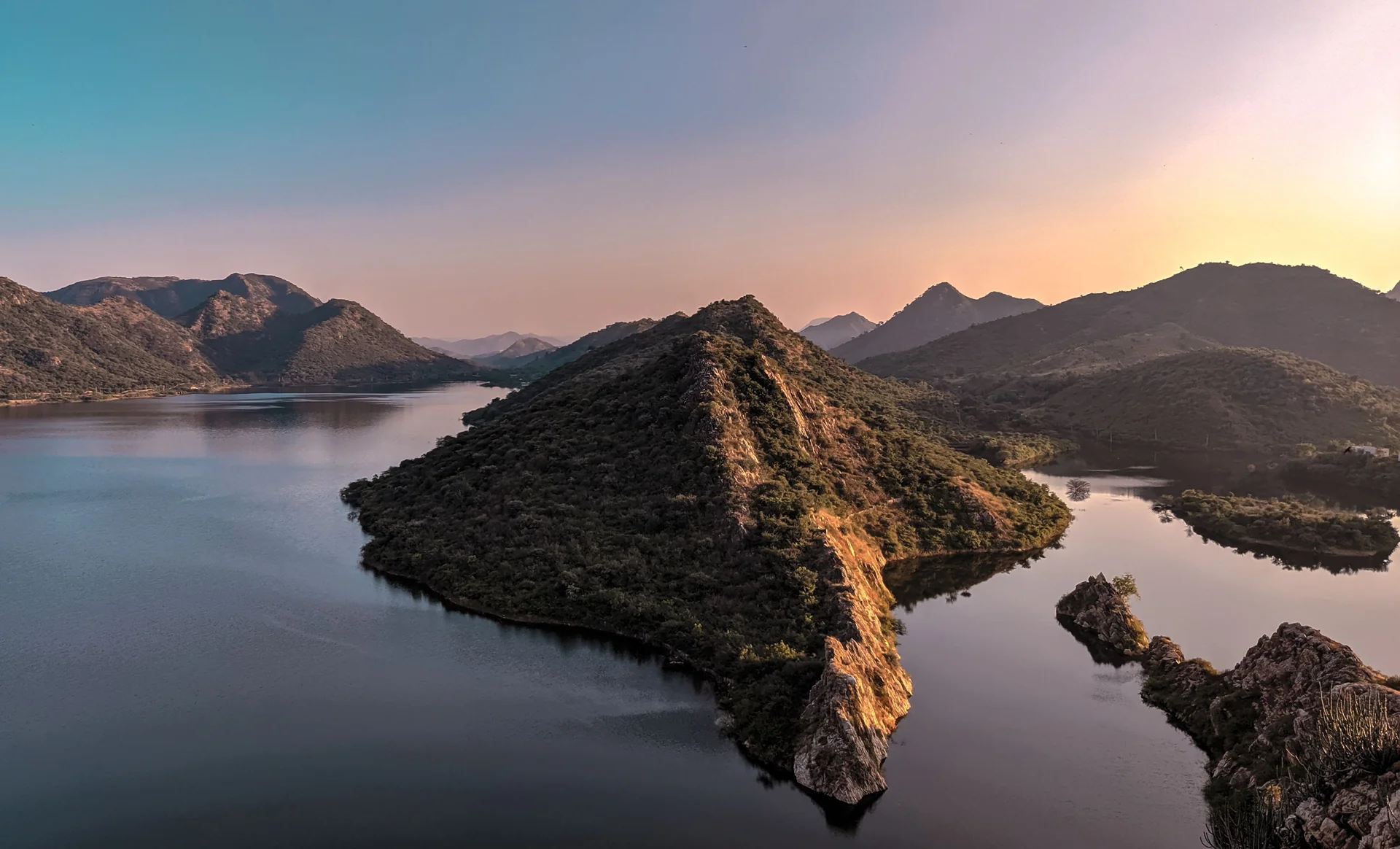
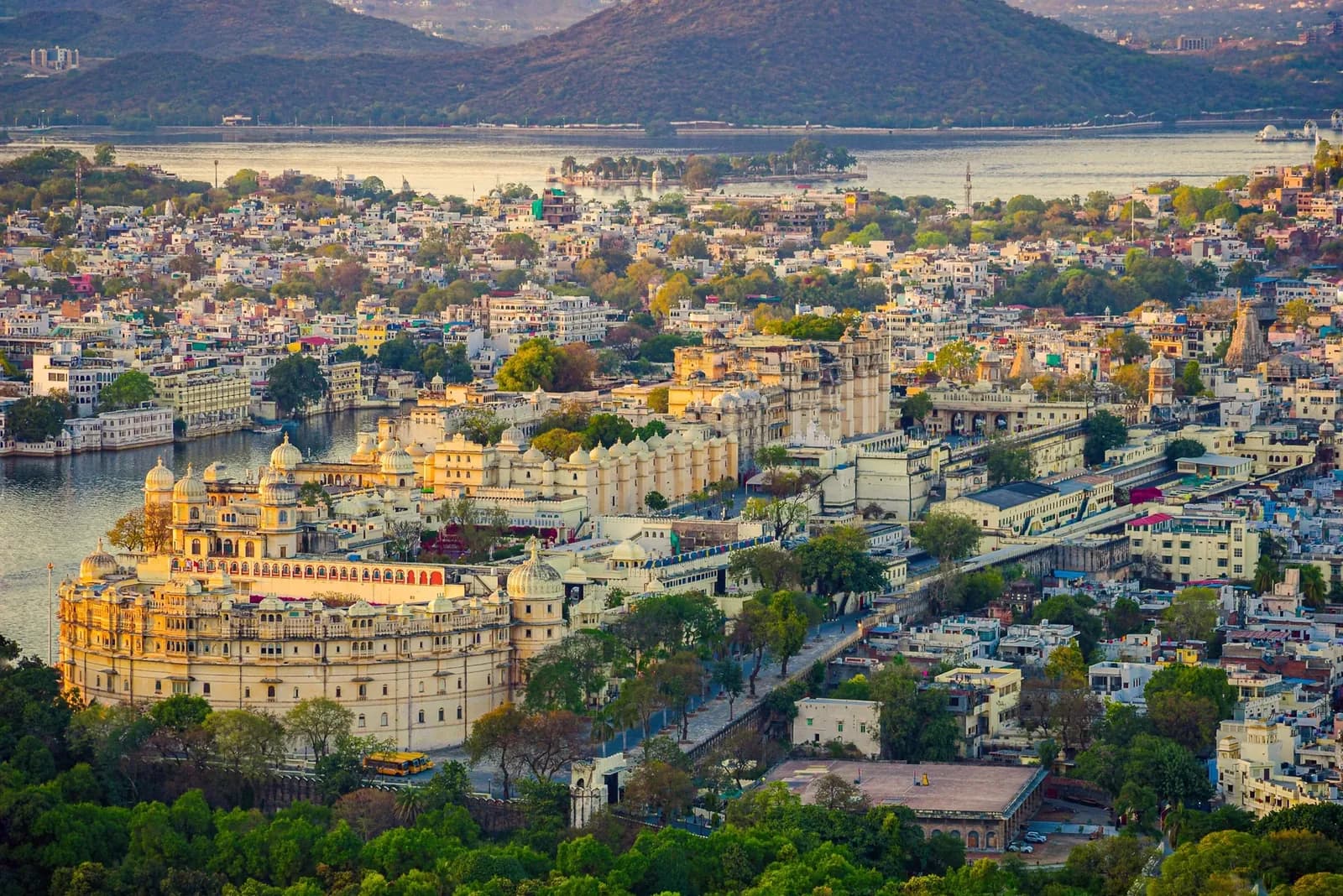
Udaipur has plenty going for it: marble and minerals, Hindustan Zinc's headquarters, universities like IIM Udaipur and MLSU, and a growing services and startup scene. But the lakes, palaces and Rajput history of Mewar are what put the city on the world map. From the City Palace and Jagdish Temple to the sunset at Sajjangarh, the sights draw travellers year after year, and their spending flows out into almost every corner of the local economy.
Where the tourist rupee goes
Hotels and stays
The range is enormous. At one end are palace hotels such as the Taj Lake Palace on Jag Niwas island. At the other are family-run guesthouses and homestays in the old city lanes around Lal Ghat and Gangaur Ghat. Every property needs housekeeping, cooks, front desk staff, laundry, maintenance and suppliers, which makes hospitality one of the city's biggest employers.
Guides and experiences
Licensed guides walk visitors through the City Palace, storytellers explain the legends of Mewar, and folk artists perform in the evening shows at Bagore ki Haveli. Cooking classes, heritage walks and photo tours have grown into small businesses in their own right.
Boats and lakes
Boat rides on Lake Pichola and Fateh Sagar are near the top of nearly every visitor's list. They support boat operators, crews, ticketing staff, and the snack and chai sellers along the promenades, especially on Rani Road in the evening breeze.
Handicrafts and shopping
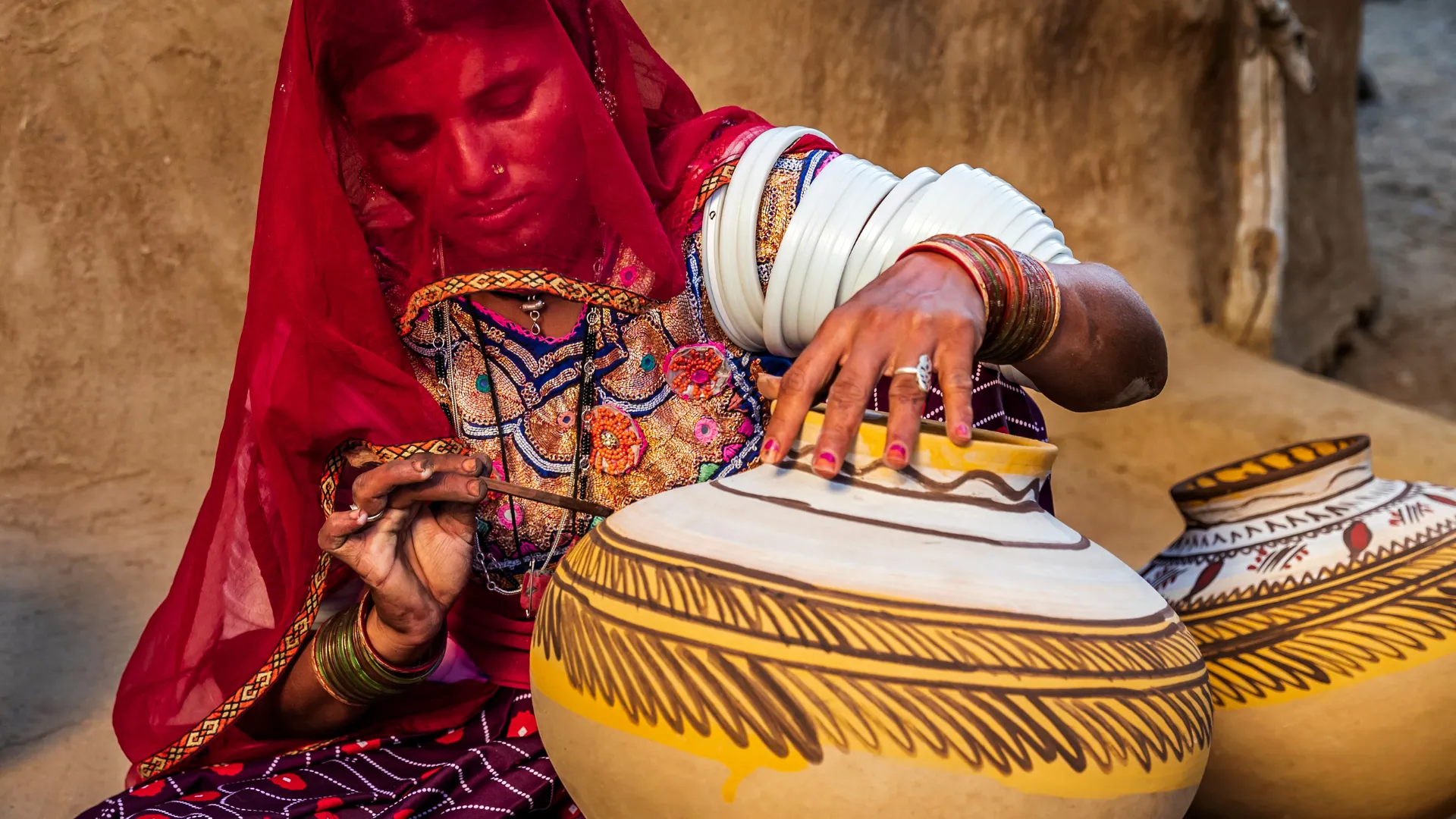
Miniature paintings, Pichwai, kathputli puppets, bandhani and leheriya textiles, block prints, silver jewellery and marble carving all find buyers among travellers. Artisans sell through old city shops, Rajasthali and Shilpgram, where the December Shilpgram Utsav brings craftspeople and buyers together. Read more in our art and crafts guide.
Food and cafés
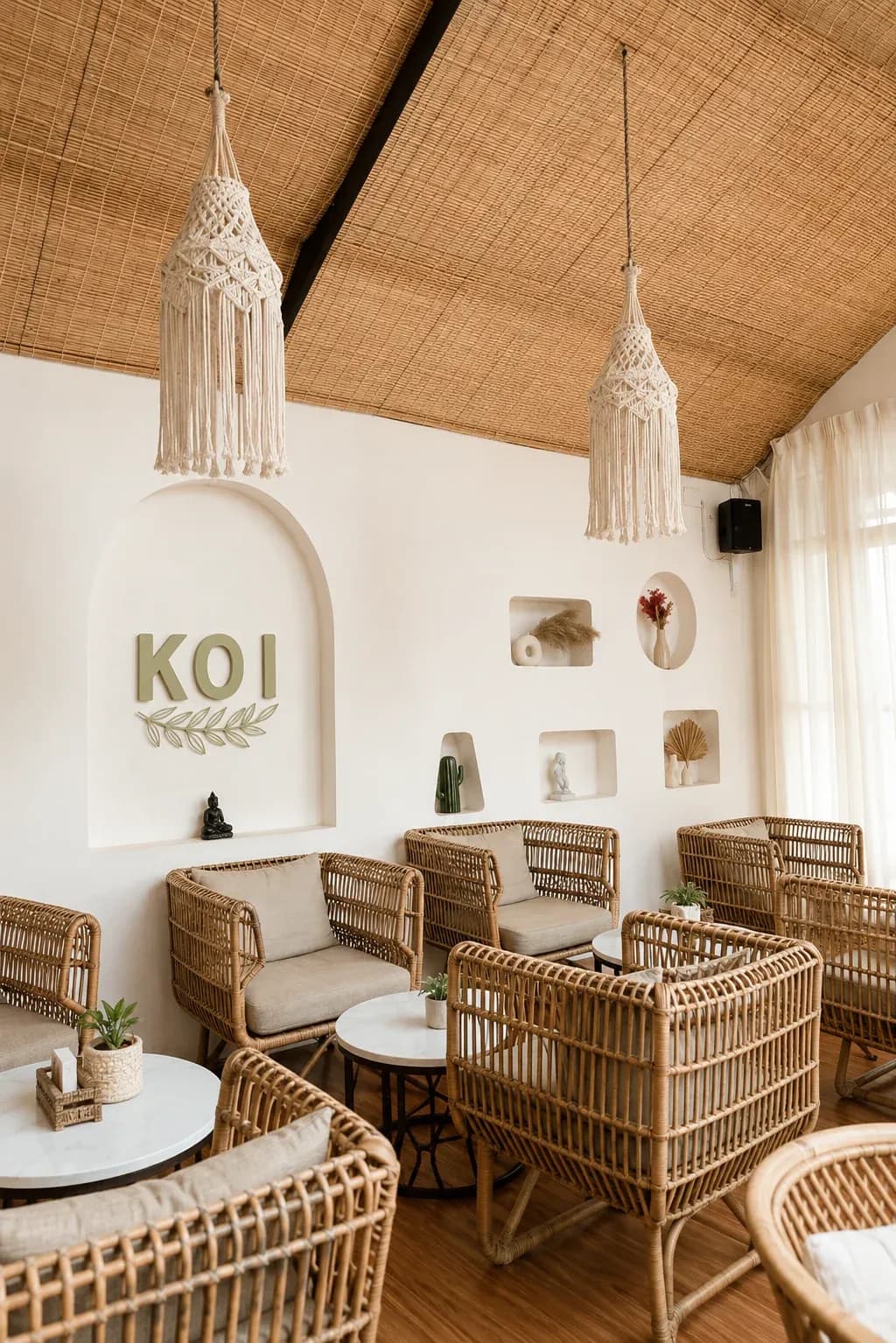
Rooftop restaurants with views of the lake, lakeside cafés, thali houses, kachori stalls and late-night street snacks at Fateh Sagar all feed off tourist footfall, and they buy from local farmers, dairies and spice traders in turn. Our food and cafés section shows how much of the city's character comes through its kitchens.
Transport
Visitors arrive through Maharana Pratap Airport at Dabok, Udaipur City railway station and the highways from Ahmedabad, Jaipur and Jodhpur. Then they need taxis for day trips to Kumbhalgarh, Ranakpur, Nathdwara or Chittorgarh, autos for the old city and drivers who double as informal guides.
The seasons set the rhythm
Udaipur's tourism calendar is easy to feel and hard to ignore:
- October to March is peak season, with pleasant days, cool nights, Diwali lights on the ghats, the wedding rush and Shilpgram Utsav. Hotels fill, prices firm up and everyone works long hours.
- April to June is hot, often above 40 °C. Footfall drops, and many businesses use the time for repairs, training and planning.
- July to September brings the monsoon. The hills turn green, the lakes fill and a different kind of traveller shows up, often domestic weekenders chasing rain and views.
Festivals like the Mewar Festival with Gangaur, Holi and the Jagannath Rath Yatra create sharp spikes in between. Dates follow the Hindu calendar and change every year, so check our events and festivals guide before planning around them.
Local tip: Businesses that last in Udaipur usually plan for the quiet months as carefully as the busy ones: a monsoon offer, a local-customer menu or a summer workshop can keep staff and cash flow steady.
Weddings: tourism's big multiplier
Destination weddings deserve their own mention. A single celebration can fill a palace hotel, keep decorators, caterers, musicians and transport busy for days, and introduce a whole crowd of guests to the city at once. We look at it in detail in inside Udaipur's destination wedding industry.
What this means if you run or plan a business
- Think beyond the room night. Experiences, food and crafts often decide whether a traveller recommends the city.
- Be easy to find online. Most visitors plan on their phones, which is why we've written about promoting your business with Udaipur Visit.
- Protect what people come for. Clean lakes, cared-for havelis and living crafts are the city's real capital.
Curious about the wider business picture? Browse the investment section.
Quick answers
Is tourism important to Udaipur's economy?
Very. Alongside mining, education and services, tourism supports hotels, guides, boat operators, artisans, restaurants and transport across the city.
When is peak tourist season in Udaipur?
Roughly October to March, when the weather is pleasant and festivals and weddings are in full swing. Summer is quieter and the monsoon brings its own visitors.
Which local businesses benefit most from tourism?
Hotels and homestays, guides and experience providers, boat operators, handicraft sellers, cafés and restaurants, and taxi and transport services.
Good to know: This is general information about Udaipur's tourism economy, not financial, legal or investment advice. Conditions change, so do your own research and consult a qualified professional before making business or investment decisions.